
Koja Residents Turn Drug Den into Profitable Fish Pond
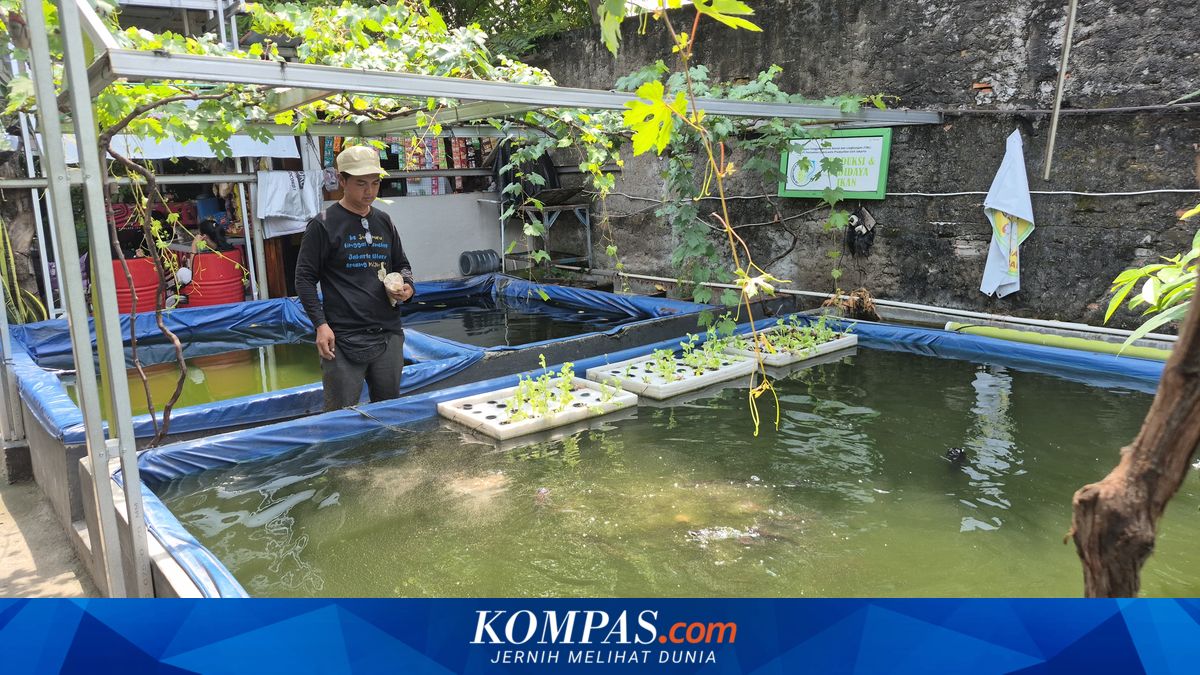
In a narrow two-metre-wide alley in Gang Cemara Hijau, RW 01, Kelurahan Tugu Utara, Koja, North Jakarta, a fish pond is regularly harvested at least every three months. The pond project covers a plot of roughly 200 square metres with a width of about 10 metres and was initiated in 2026 by community volunteers from RW 01. Funding came from the voluntary contributions of residents, with some teenagers contributing Rp 50,000 and others Rp 10,000. “Local teenagers pooled in, with some giving Rp 50,000 and others Rp 10,000,” said Dani Arwanto (51), the initiator of Kolam Ikan Gang Cemara Hijau, when interviewed by Kompas.com on Tuesday, 19 May 2026. “This place used to be associated with negative activities such as drinking alcohol or drug use.” The community then sought to repurpose it into something more beneficial, initially turning it into a badminton court. However, as time passed, a road elevation near the site meant the badminton court was often lower than the surrounding road, and the area frequently flooded up to waist height. “As a result, this land floods up to waist height,” he said. The flooding meant the space was no longer suitable for a badminton court, and the community could not afford to fill the land to the level of the street. They therefore began utilising the area for fish farming. In the early days, they used blue tarpaulins to line the pond, making it a temporary feature rather than a cemented, permanent pond. In the tarpaulin pond, Dani and others raised several species, including catfish (lele), tilapia (nila), patin, and gourami (gurame). Over time, the neglected site was transformed into an urban farming location that features a permanent fish pond to bolster food security.