
KNMP Programme Claimed to Boost Fishermen's Income by 75 Percent
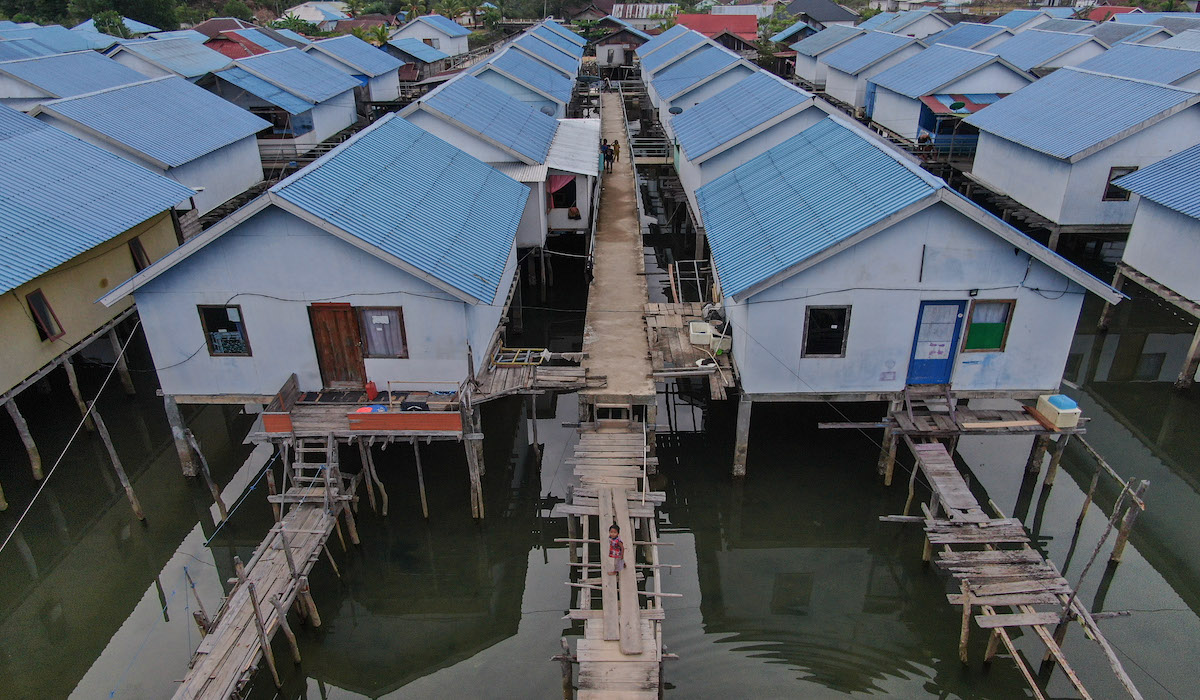
The Presidential Staff Office (KSP) claims that the Kampung Nelayan Merah Putih (KNMP) programme is beginning to show tangible impacts. In the pilot location of Samber Binyeri, Biak Numfor, Papua, the programme is said to have boosted fishermen’s productivity, income, and created new job opportunities following the construction of supporting facilities and improvements in the distribution of catches.
KSP Head Muhammad Qodari stated that productivity of fishermen in Samber Binyeri has risen from 5.35 tonnes to 10.85 tonnes per fisherman per year, a 101% increase. The frequency of sea voyages has also increased from 9 days to 13 days, up 44%.
“The frequency of sea voyages has also increased from 9 days to 13 days, or up 44%,” said Qodari during a press conference in Jakarta on Wednesday (1/4).
According to him, this rise is supported by the presence of facilities such as ice factories, cold storage warehouses, and integrated docks. These facilities are considered to maintain fish quality while smoothing distribution.
Qodari assessed that the most noticeable impact is on the increase in fishermen’s income. Monthly income for fishermen in the area is said to have risen from Rp4.35 million to Rp7.73 million, or up 75%.
Not only that, the added economic value in the area is also claimed to have surged from Rp1.57 billion per year to Rp4.57 billion per year, or up 190%. This increase occurred because fishermen are no longer just selling raw fish but are entering longer business chains, including processing and distribution.
“The Kampung Nelayan Merah Putih programme is not just about building villages, but building the system, the economy, and the lives of the community,” said Qodari.
He added that the programme also creates multiplier effects on employment. In the pilot location, the types of jobs have increased from 2 to 12, ranging from processing, logistics, to culinary businesses. The number of workers has also risen from 120 people to 170 people, or up 47%.
Nationally, KNMP is projected to absorb 27,000 workers, consisting of 20,000 non-permanent workers and 7,000 permanent workers.