
KM Putri Sakinah Captain Sentenced to 3 Years and 6 Months in Prison
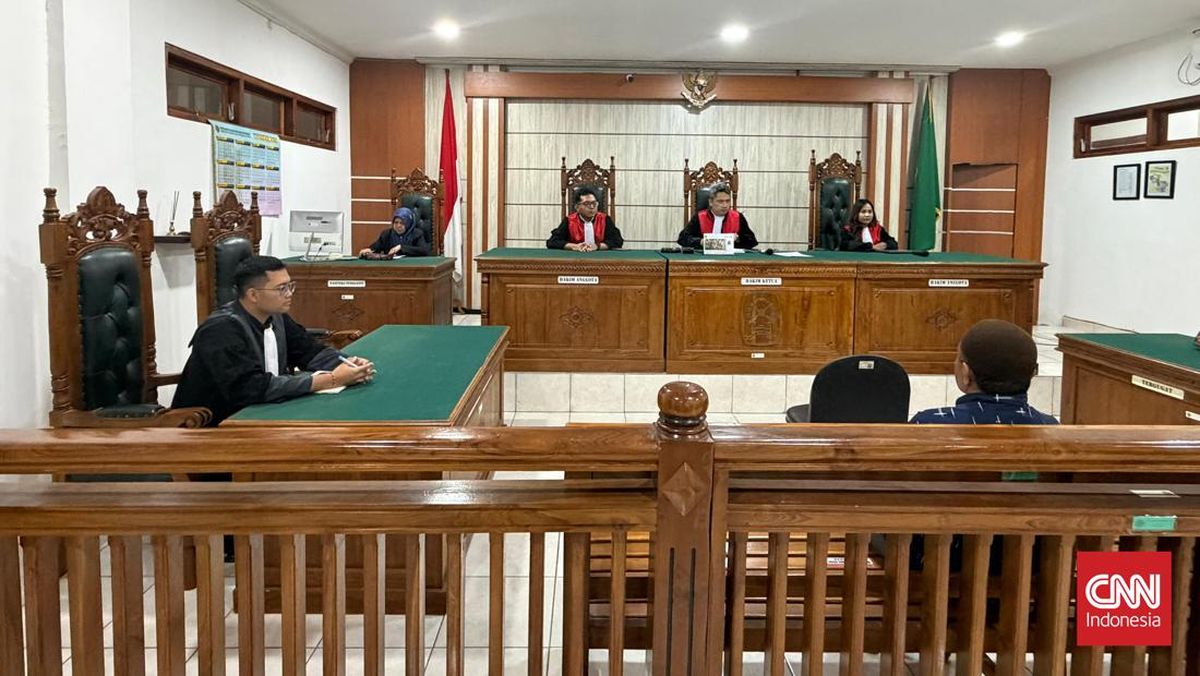
The Labuan Bajo District Court sentenced two crew members of the KM Putri Sakinah ferry over a shipwreck in the Padar Strait, West Manggarai Regency, which claimed the lives of four Spanish tourists. Judge Putu Dima Indra, presiding over the panel, sentenced Captain Lukman to three years and six months in prison and crew member Muhamad Alif Latifa N Djudje to two years and six months. The verdict was delivered by Presiding Judge and Deputy Chief of Labuan Bajo District Court, Putu Dima Indra, alongside panel members I Made Wirangga Kusuma and Intan Hendrawati in the main courtroom on Monday, May 25. In the ruling, the panel found both defendants guilty beyond reasonable doubt of criminal negligence resulting in death. The incident began on December 26, 2025, when the KM Putri Sakinah set sail with 11 passengers and crew, including six Spanish tourists, one tour guide, and four crew members. The tourist trip, booked by Martin Carreras Fernando, was scheduled for three days and two nights, covering routes from Labuan Bajo to Manjarite, Kalong Island, and Padar Island. While crossing the Padar Strait after leaving Kalong Island, the vessel was struck by large waves and strong winds. The extreme conditions caused the ship to list, take on water, and sink between 8:20 and 8:30 PM WITA. Four Spanish tourists were reported dead or missing in the disaster. In his ruling, Judge Putu Dima Indra stated the disaster could have been avoided, as the Maritime Meteorological Agency of Tenau Kupang issued early warnings of severe weather from December 22 to 28, 2025, before the voyage. Labuan Bajo Port Authority relayed these warnings via Notices to Mariners, advising all vessels to avoid high-risk areas. The Padar Strait is known for dangerous waters with strong currents, whirlpools, and high waves. However, the captain disregarded the warnings and risks. Fraudulent Certification Process. The defendants’ claims that the disaster was purely an act of God or force majeure, and that they had done their utmost to rescue passengers, were entirely rejected by the court. Crucial evidence revealed both defendants lacked adequate competency despite holding official documents. During the trial, it was proven that Lukman obtained his Marine Personnel Registration (MPR) certificate through payment alone—commonly referred to as ‘nembak’—without any formal education or training. Meanwhile, Muhamad Alif acquired his People’s Ship Engineer (JMPR) certificate by simply sending photocopies of his ID and passport photo to Surabaya, without attending any training. The panel concluded that the lack of expertise was the root cause of the tragedy. The fatal error occurred long before the voyage when both defendants accepted their roles as captain and crew despite lacking proper knowledge. As a result, they completely failed to respond and control the vessel as sea conditions deteriorated. ‘Instant qualifications obtained without training invalidate all their defences. Claims of having done their best or being unable to act are irrelevant. The fault lies in their incompetence due to certificates obtained through improper channels,’ stated Putu Dima Indra in a press release. The panel deemed Lukman’s ‘nembak’ certification practice not merely a technical violation but a betrayal of public trust, damaging the credibility of the shipping industry and licensing authorities. Beyond technical incompetence, a series of other oversights exacerbated the situation. The court found the captain failed to provide adequate safety briefings to passengers before departure. Additionally, the vessel’s stability was compromised due to unauthorised cabin modifications by the ship owner without technical approval. Most distressingly, the four victims are believed to have perished after becoming trapped in cabins and unable to open doors as the ship took on water and listed. ‘The emergency was largely caused by the defendants’ failure to anticipate risks. This tragedy could have been prevented had safety standards been followed and the captain possessed genuine competence,’ the panel stated. Although sentencing the defendants to prison, the judge considered aggravating and mitigating factors. Extreme weather and vessel seaworthiness were noted as mitigating circumstances, but did not absolve the defendants of criminal liability for negligence resulting in death.