
KKP ensures easy access to subsidised fertiliser for fish farmers
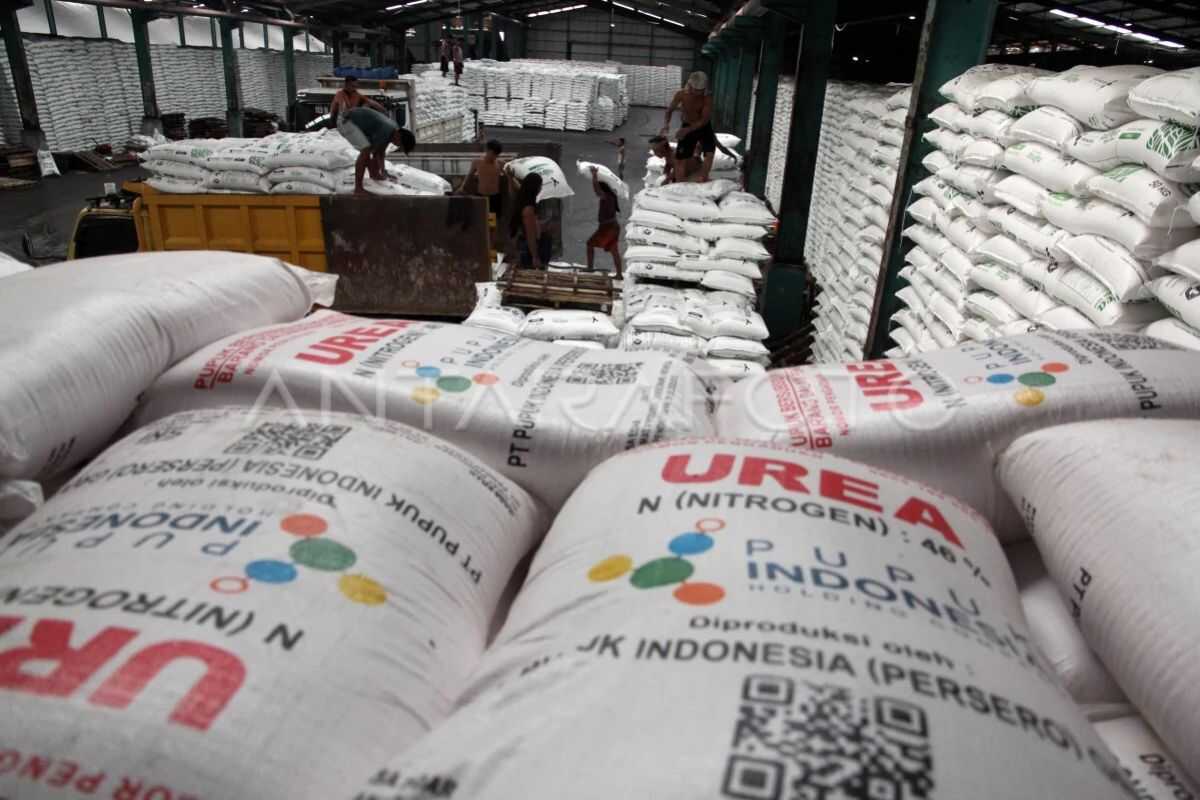
For traditional farmers, fertiliser is a major support. Without fertiliser, fish growth is not optimal and production costs increase.
Jakarta (ANTARA) - The Ministry of Marine Affairs and Fisheries (KKP) is working with PT Pupuk Indonesia to ensure easy access to subsidised fertiliser for fish farmers, especially traditional aquaculture farmers.
KKP notes that in Gresik Regency – one of the largest milkfish farming centres in Indonesia – fertiliser plays an important role in growing plankton as a natural feed, which determines the success of the harvest.
Director General of Aquaculture at KKP, Tb Haeru Rahayu, in a press statement in Jakarta on Thursday, said that the trend of fish farming in Gresik continues to increase.
He said the number of farmers increased from 13,210 in 2021 to 32,505 in 2025 (provisional figure).
Meanwhile, Gresik’s milkfish production in 2025 is provisionally recorded at 112,590 tons, contributing more than half of the total milkfish production in East Java, which reaches 203,338 tons.
“For traditional farmers, fertiliser is a major support. Without fertiliser, fish growth is not optimal and production costs increase,” said Tebe.
The subsidised fertiliser programme for the fisheries sector is regulated through the Minister of Marine Affairs and Fisheries Regulation Number 22 of 2025 concerning the Management of Subsidised Fertiliser for the Fisheries Sector.
For the 2026 Fiscal Year, the allocation of subsidised fertiliser in East Java reaches 66,571 tons, with Gresik Regency receiving 9,825 tons.
Deputy Chairman of Commission IV of the Indonesian House of Representatives, Panggah Susanto, affirmed that the aspirations of Gresik farmers have been included in the national subsidy recommendations.
He said that the allocation of subsidised fertiliser for the aquaculture sector reaches around 295,000 tons nationally.
“The distribution of fertiliser must be precisely targeted to the farmer level, accompanied by strong monitoring of distribution in the field,” he said.