
Kicau Mania: The Algorithmic Gantang
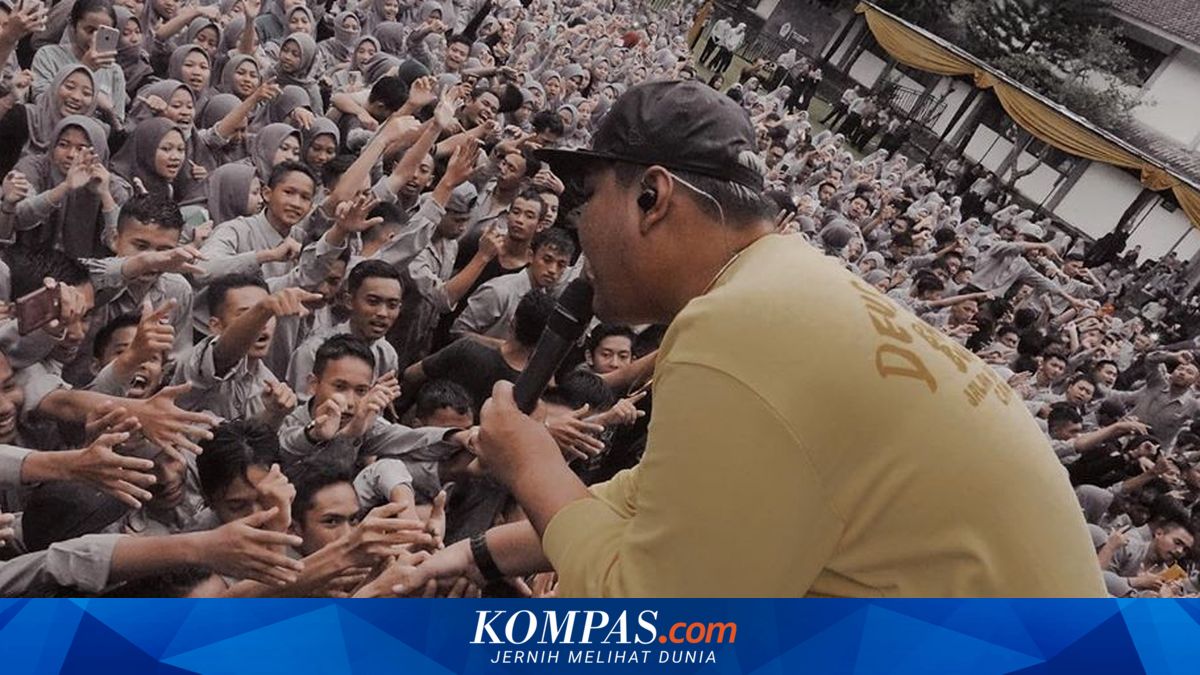
Thumping bass rattles the air, and the lyrics ‘Kicau, kicau, kicau mania’ have dominated Indonesian social media platforms in recent weeks. The song ‘Kicau Mania’, performed by Ndarboy Genk and Banditoz Yaow 86, has spread from bird enthusiast communities to become a daily fixture on TikTok and Instagram Reels feeds. Born from the ‘gantangan’ culture, the song is not standalone but has become the focal point of thousands of dance challenges and cross-border memes. Consider a K-pop boyband member dancing to it without understanding the lyrics. I interpret this as a sonic phenomenon reshaping contemporary pop culture. Released on 22 January 2026, the song was not designed to conquer algorithmic logic. This ‘gantangan’ is a social network of bird enthusiasts who regularly compete in song contests. In the gantangan arena, socio-economic status is often overshadowed by a new reputation hierarchy: who cares for their birds most diligently to become champions. Emerging from this cross-class meeting space, the song spread into a more fluid yet chaotic public sphere. Dynamic songs go viral by taming TikTok’s algorithm. The platform reshapes how we consume music, relying on snippets and rejecting wholes. Only short clips—typically 15 to 30 seconds with the strongest hook or iconic lyrics—go viral and gain public recognition. In Kicau Mania’s case, the ‘Gas Pol Ndangak’ fragment and the hand-over-nose gesture form the core units of dissemination. A song’s aesthetics are no longer defined by arrangement length but by energy density packed into seconds to trigger dance or facial expressions. Musically, Kicau Mania exhibits ‘standardised differentiation’—a common phenomenon in contemporary pop music production. The koplo rhythm pattern, with drums as the foundation, is maintained, but layered with electronic sounds and vocal techniques closer to speech than singing. Yet it remains fresh due to its specific, crisp, and quirky lyrical context.