
Khofifah: Tobacco Industry Contributes Significantly to East Java's Economy
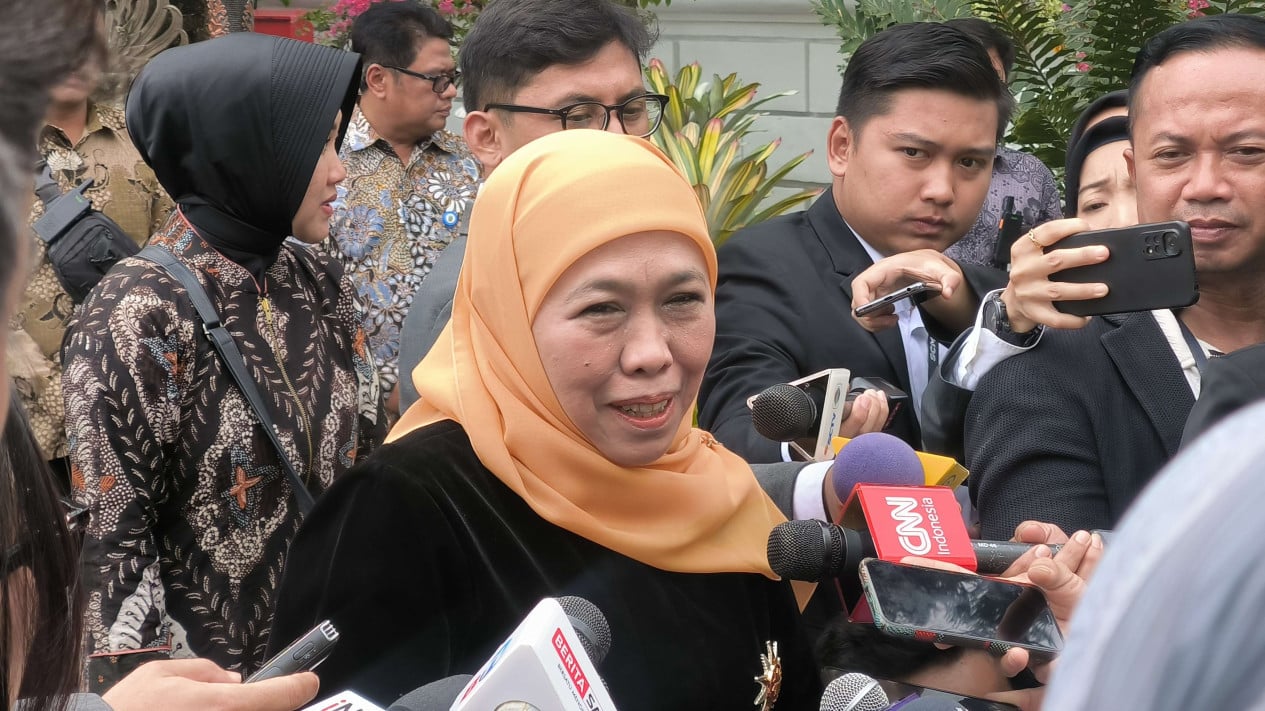
East Java Governor Khofifah Indar Parawansa has highlighted the significant contribution of the tobacco industry to the province’s economy, amid discussions on a proposed standardised packaging policy for processed tobacco products currently being drafted by the Ministry of Health. Khofifah cautioned that such a policy could have a major impact on the tobacco industry, farmers, labourers, and excise revenue, which has been one of the pillars of East Java’s economy. According to Khofifah, the tobacco industry plays a vital role in the province’s economy. Besides contributing to state revenue, the sector also absorbs a large workforce and provides livelihood opportunities for many farmers. “The tobacco industry has made a substantial contribution to East Java, both in terms of state revenue, employment, business opportunities, and improving the welfare of farmers and the community,” she stated. She noted that East Java’s contribution to national tobacco excise revenue reached Rp133.2 trillion in 2024, accounting for approximately 61.41 percent of the total national excise revenue of Rp216.9 trillion. “East Java is the backbone of national tobacco excise revenue. Policies affecting this industry must be carefully considered,” she said. Similar concerns were raised by other regional heads. Situbondo Regent Yusuf Rio Wahyu Prayogo requested the central government to reconsider the plain packaging regulation, citing its potential impact on the local economy and the tobacco sector workforce. In 2024, Situbondo received Rp59 billion in Tobacco Excise Revenue Sharing Funds (DBHCHT), which were used for infrastructure development, excise law enforcement, and social assistance for farm labourers and factory workers. Bondowoso Regent Abdul Hamid Wahid also urged the central government to consider the conditions of tobacco-producing regions before implementing new policies, emphasising that the tobacco sector is a source of livelihood for thousands of farmers and communities involved in the tobacco economic chain.