
Khofifah proud as East Java Pecel ranks seventh in TasteAtlas’ 2026 World’s Top 100 Salads
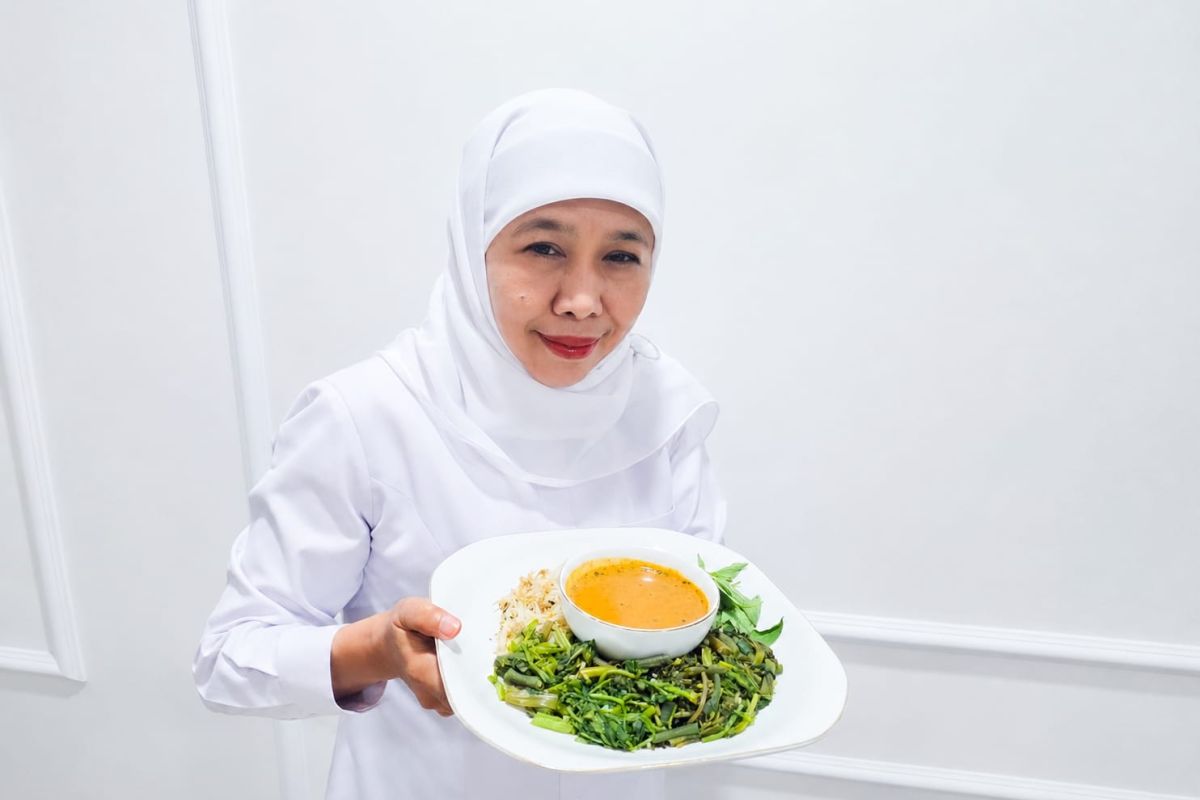
Surabaya (ANTARA) – East Java Governor Khofifah Indar Parawansa has expressed pride that East Java’s pecel ranks seventh in TasteAtlas’ 2026 World’s Top 100 Salads, marking international recognition of the region’s culinary and cultural wealth. “Pecel is not merely a traditional dish but the cultural identity of East Javanese society. Through a single serving of pecel, the world can see how Javanese people live in harmony with nature, utilising healthy, simple yet flavourful local ingredients,” Khofifah said in Surabaya on Saturday. She noted the achievement demonstrates Indonesia’s traditional cuisine is increasingly gaining global recognition. Alongside pecel, other Indonesian dishes such as ketoprak (18th), gado-gado (30th), rujak cingur, asinan, and karedok also feature in the list. Khofifah believes the global recognition of pecel reflects not just its taste but also the cultural richness, traditions, and philosophical lifestyle of East Javanese society embedded in each serving. She said this success could be a momentum to strengthen the promotion of Nusantara cuisine, particularly East Java’s specialties, to international markets. “Each region in East Java has its own pecel variation. This showcases the richness of our culinary heritage. There are savoury, spicy, sweet pecel, and those blended with regional-specific sauces. All carry extraordinary cultural stories,” she said. East Java’s pecel varieties include Pecel Madiun with kaffir lime-scented peanut sauce, Pecel Tumpang Kediri featuring fermented tempeh, Pecel Semanggi Surabaya with peanut sauce mixed with petis (shrimp paste), Pecel Punten Tulungagung, and Banyuwangi’s Pecel Rawon and Pecel Pitik. Khofifah said this diversity strengthens East Java’s ability to introduce local cuisine to domestic and international tourists while encouraging youth to embrace traditional dishes. “Young people must not become more familiar with foreign foods than their own regional cuisine. Pecel is a cultural heritage that must be preserved, promoted, and passed down through generations,” she added. Nasi pecel, a traditional East Javanese dish, consists of white rice, boiled vegetables, and peanut sauce seasoned with chillies, palm sugar, galangal, and kaffir lime leaves. Rich in fibre and vitamins, it is a key part of East Javanese cultural identity.