
KH Fachruddin: Journalism Maestro and Champion of Hajj Pilgrims
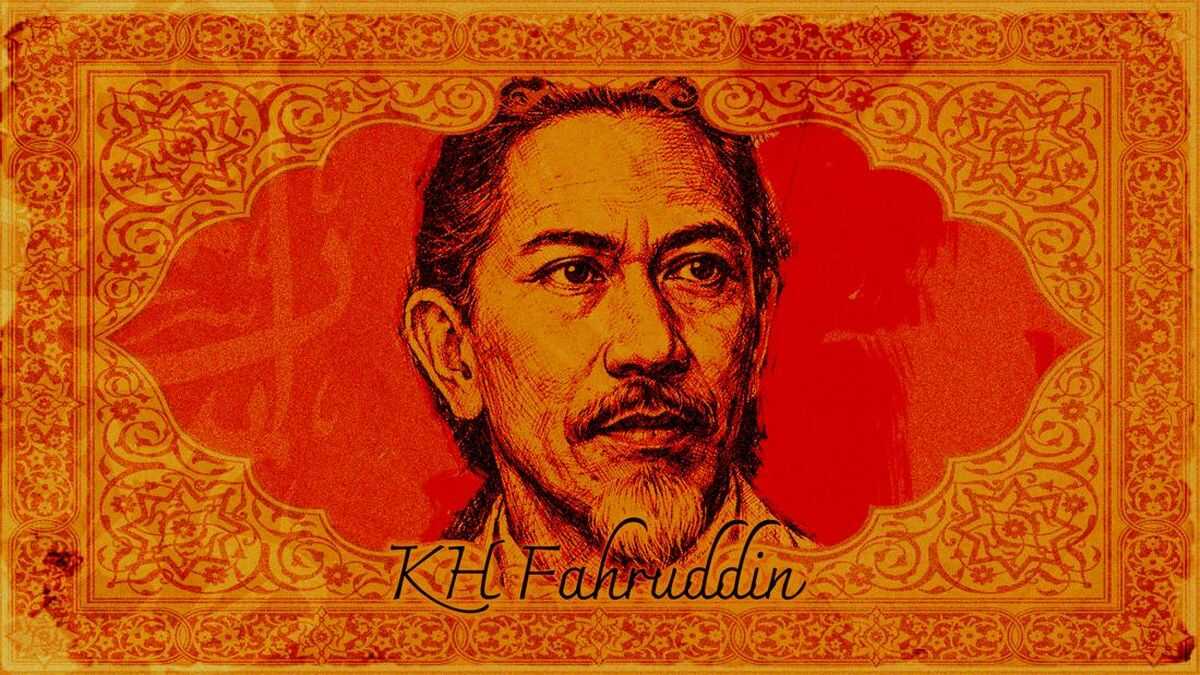
KH Fachruddin, also known by his childhood name Muhammad Jazuli, was a fighter in the Indonesian independence movement and a prominent figure in Muhammadiyah.
KH Fachruddin initially became a member of Budi Utomo before joining Sarekat Islam, and ultimately Muhammadiyah.
Despite never having received formal education, KH Fachruddin’s intelligence and determination brought significant change to the worlds of journalism, religious propagation, and education.
He was designated a National Hero pursuant to a decree dated 26 June 1964 under Presidential Decision (Keppres) Number 162 of 1964.
Born in Yogyakarta in 1890, the man was known not only as an accomplished journalist but also as a tenacious Muhammadiyah activist.
Fachruddin was a versatile figure within Muhammadiyah. He was responsible for important duties including religious propagation, library management, and teaching.
According to the National Heroes Encyclopaedia in the Ministry of Primary and Secondary Education repository, in 1921 he was dispatched to Mecca for eight years to investigate the fate of Indonesian hajj pilgrims who were allegedly frequently subjected to ill treatment by Meccan officials.
After completing his mission in the holy land, KH Fachruddin initiated the establishment of the Hajj Aid Agency, demonstrating his concern for Muslims intending to perform the hajj pilgrimage.
In addition, he was also sent to Cairo, Egypt, as a representative of Indonesian Muslims to attend an Islamic Conference, affirming Indonesia’s position and important role within the global Islamic community.
He was also one of the initiators behind the publication of Suara Muhammadiyah magazine. The publication became an important vehicle for disseminating scholarly, religious, and social ideas that built awareness and understanding within society.
With his writing prowess, KH Fachruddin became one of the editorial mainstays of Suara Muhammadiyah. Through his articles, he addressed various issues relevant to the lives of people at that time.
In his articles, he raised several topics encompassing Islamic history, scientific thought, education, and social justice. His writings were based not only on religious knowledge but also on scholarly insights from various other fields.
Through his contributions to Suara Muhammadiyah, KH Fachruddin not only informed the public but also helped shape the mentality and values that subsequently became the foundation for the Indonesian independence movement.
He was not merely a journalist and religious leader, but also a principal architect in building national consciousness amidst the pressures of Dutch colonialism.
As the Muhammadiyah Congress in Yogyakarta in 1929 approached, Fachruddin fell ill. On 28 February 1929, he passed away in Yogyakarta.