
Key species range in TNBT shrinks: BKSDA Jambi
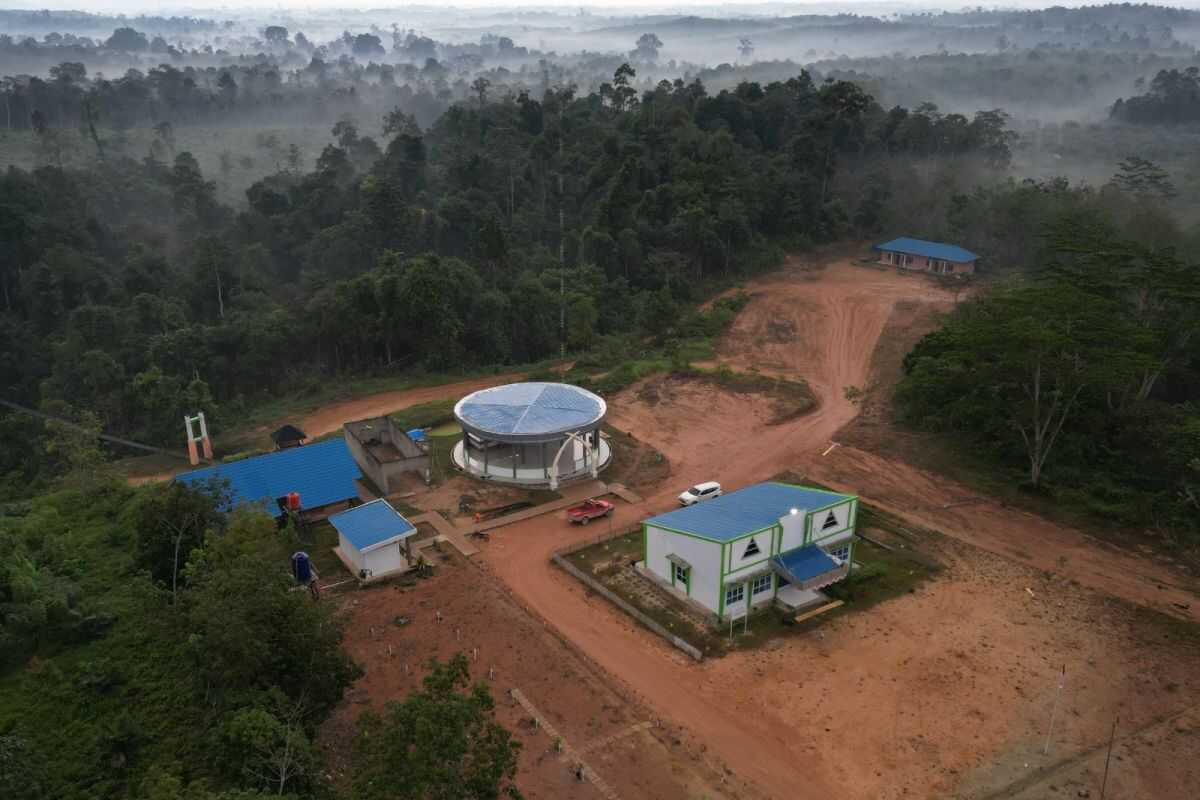
The condition has reduced the roaming space of Sumatran elephants, tigers, and orangutans, while increasing the potential for human-wildlife conflict that could harm both sides.
Head of BKSDA Jambi Himawan Sasongko said in a written statement in Jambi on Friday that the Bukit Tigapuluh landscape is one of the lowland and hilly forest areas in Jambi Province.
The area covers Tebo District and Tanjung Jabung Barat District, spanning approximately 270,000 hectares.
The landscape plays a strategic role in biodiversity conservation and serves as an important habitat for endangered key species.
Around 10 percent of the lowland Sumatran elephant population, 10 percent of the wild Sumatran tiger population, and Sumatran orangutans live and breed in their natural habitat in the area through reintroduction programs.
However, he noted that the landscape is also a key area for industrial timber plantation development and social forestry programs, and borders cultivation areas of other economically valuable commodities.
This situation threatens the landscape’s natural capacity to function as a habitat for Sumatra’s key and iconic species.
He emphasized the need for joint efforts to improve landscape governance to ensure it remains a conducive shared living space.
Such measures are necessary not only to protect Sumatra’s iconic wildlife in good condition but also to maintain stable populations over the long term.
These efforts require positive contributions from multiple stakeholders, including the central and regional governments, conservation and social activists at local and national levels, academics, and on-site land managers, both private companies and communities living within and around the landscape.
BKSDA Jambi expressed its appreciation for the launch of the Initiative Promoting Sustainability Landscape Management through Biodiversity Conservation and Forest Positive Action in Bukit Tigapuluh, supported by APP Group and Proforest along with partners WWF Indonesia and KKI WARSI in a consortium.
It is expected that the strategic step toward collaborative landscape management will help drive sustainable improvements in the governance of the Bukit Tigapuluh landscape.
Related news: Rare Javan Rhino calf recorded in Ujung Kulon National Park
Related news: Indonesia allocates US$120 million to protect Way Kambas National Park
Related news: Four Sumatran tigers spotted as Bukit Tigapuluh ecosystem thrives
Translator: Agus Suprayitno, Primayanti