
Key Points of the One Data Bill: Ending Chaos in Social Assistance, BPJS and Sectoral Ego
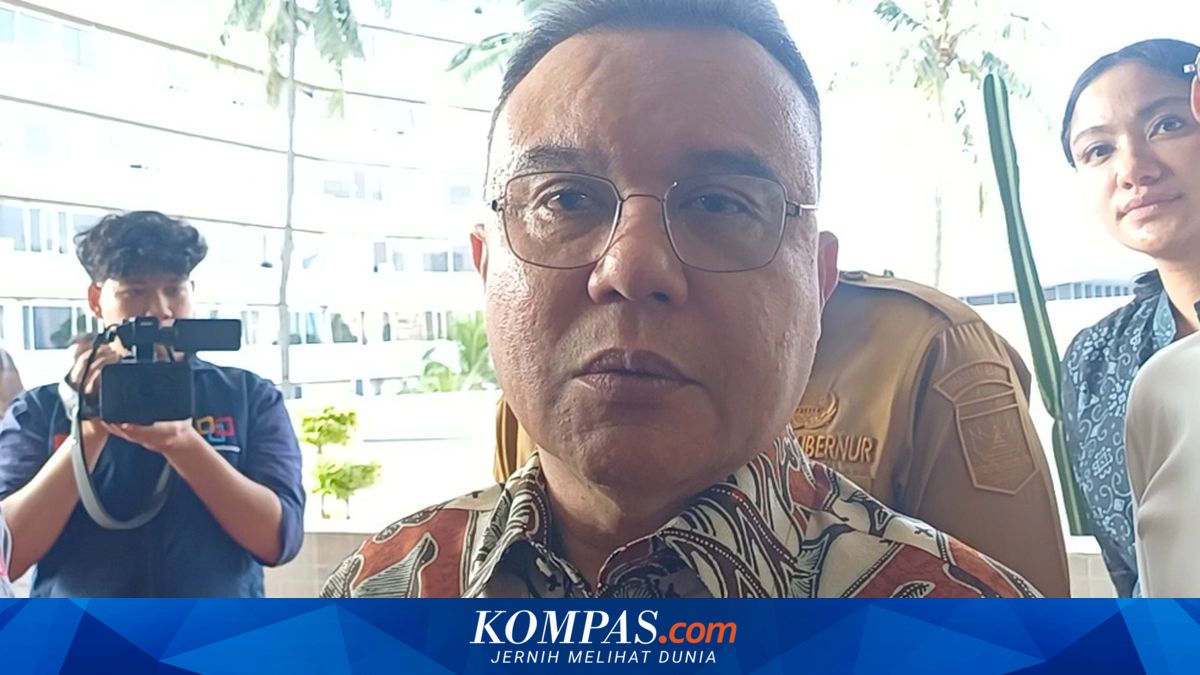
JAKARTA: The Indonesian House of Representatives (DPR RI) through the Legislation Body (Baleg) is drafting the One Data Bill, a Priority National Legislation Program (Prolegnas) for 2026. The bill aims to address inconsistencies in data between ministries and agencies, which have been blamed for various public service issues, including social assistance (bansos), BPJS healthcare services, and disaster management. DPR RI Deputy Speaker Sufmi Dasco Ahmad stated that the drafting of the One Data Bill was prompted by numerous on-the-ground issues arising from discrepancies in data between government agencies. Dasco noted that such issues frequently arise during the distribution of aid to disaster-affected communities. Beyond disaster relief, Dasco added that similar problems were found in social assistance programmes and national health insurance services. ‘For social assistance funds and BPJS, we still see inconsistencies, so we will synchronise them into One Data to prevent future data discrepancies that lead to poor on-the-ground conditions,’ he said. Baleg Chairman Bob Hasan said the One Data Bill is necessary to unlock the nation’s full data potential for more targeted national development planning. ‘The One Data Bill is a means to activate all data on Indonesia’s potential for planned, organised, and effective national development,’ Bob said. According to Bob, data serves as a compass for national policy-making. Therefore, public policies risk missing their targets if the government uses inaccurate data. He cited misdirected social assistance as an example of the consequences of unsynchronised data. Bob also highlighted challenges in establishing a national data system, including data interoperability, sectoral ego among agencies, and data security.