
Ketupat Eid Tradition Endures Through Family Memory and Cultural Symbol
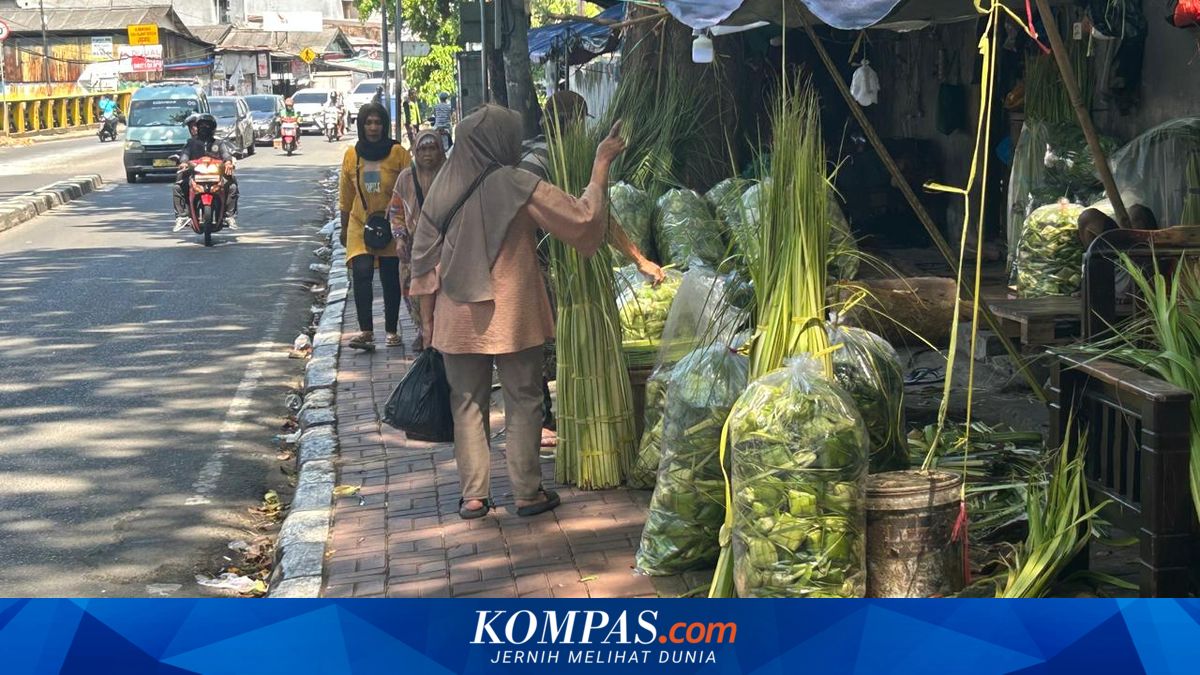
Jakarta — Ketupat has become one of the dishes that is almost never absent from Eid al-Fitr celebrations in Indonesia. This rice-based food wrapped in palm leaf weavings is not merely a complement to the traditional Idul Fitri menu, but has evolved into a cultural symbol deeply embedded in society’s traditions.
Ketupat is typically served alongside various Eid specialities such as chicken curry, rendang, and liver sambal. Its presence is not simply that of an accompaniment, but rather part of the ritual of family togetherness during Eid al-Fitr celebrations.
Many families continue to maintain the practice of cooking ketupat to be consumed together with family members and guests who visit for traditional visits during the festive period.
Social observer Rissalwan Lubis from the University of Indonesia believes the Eid ketupat tradition has endured because it is closely linked to family experiences and memories passed down from generation to generation.
Rissalwan regards one of the main factors sustaining the ketupat tradition as the collective memory within families that continues to be maintained. “Families preserve collective memories, but there is also memory that is biological in nature. The tongue, the smell, the fragrance — that is what makes this a tradition that is maintained,” said Rissalwan when contacted on Wednesday (11 March 2026).
According to him, ketupat is not merely food, but also part of childhood experiences that are subsequently passed on to the next generation. Because it is not consumed daily, ketupat actually becomes food that is always longed for when Eid arrives. “So it becomes something that is longed for, because it is not food eaten every day. That is what makes it endure,” he said.
Rissalwan explained that the symbol is even present in various representations of popular culture, such as decorations and Eid greeting cards. “It is synonymous with Eid, and then in contemporary culture too, Eid symbols, apart from stars and the moon, certainly include ketupat,” he said.
He added that ketupat symbols frequently appear unconsciously in various visualisations related to Eid. “If most Eid cards certainly have ketupat. So there is something or a memory that is unconsciously planted in our minds, truly synonymous with ketupat,” he explained.
According to Rissalwan, the increase in the number of palm leaf traders is a consequence of rising demand from the public. “Supply increases as well because demand increases. There must be a link to this increase, because demand rises in almost every household,” he said.