
Ketapang-Gilimanuk Crossing Becomes Congested as Ferry Fleet Expanded
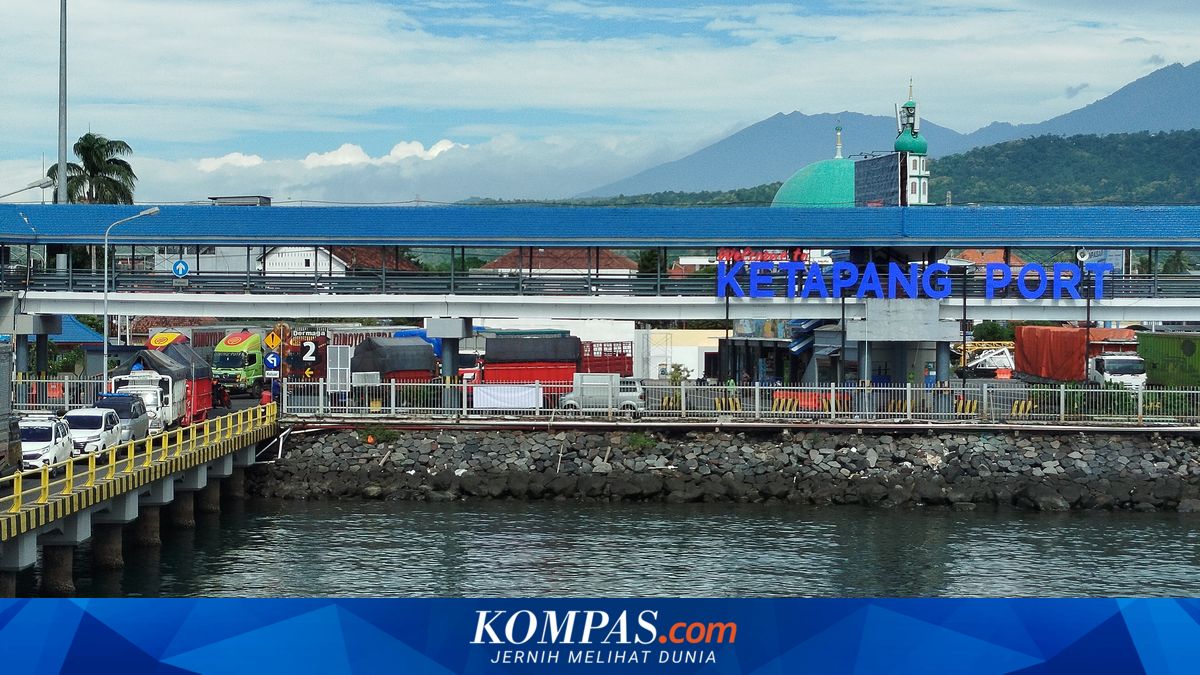
PT ASDP Indonesia Ferry’s Ketapang branch in Banyuwangi, East Java, has expanded its ferry fleet to 35 vessels from the previous 30 units to ease the surge in passenger traffic at Gilimanuk Port, which continues to increase as the 2026 Eid holiday approaches.
Bayu Kusumo Nugroho, Coordinator of the Ketapang Crossing Port Service Unit at BPTD Class II East Java Province, stated that the rising exodus on the Ketapang-Gilimanuk route requires special handling through fleet expansion.
Bayu explained that five additional large-capacity ferries will operate under a priority loading and unloading pattern, whereby the five vessels are prioritised for loading at Gilimanuk Port to ease passenger queues, whilst Ketapang Port will only handle unloading operations.
“These five large-capacity ferries will be prioritised to dock at Gilimanuk Port for loading, whilst at Ketapang Port they will only perform unloading,” he stated.
Based on ASDP Ketapang/Gilimanuk data, on the eighth day before Eid 2026 (Friday, 13 March 2026), a total of 37,877 passengers crossed from Gilimanuk to Ketapang. This figure represents a 30.5 per cent decline compared to the same period in the previous year, which recorded 54,478 passengers.
Whilst traffic from Bali to Java experienced a decrease, movement in the opposite direction actually increased. The total number of passengers crossing from Java to Bali on the eighth day before Eid reached 26,173 persons, rising 6.2 per cent from the previous year’s 24,640 passengers.
Meanwhile, the total number of vehicles crossing from Java to Bali was recorded at 5,365 units, an increase of 2.5 per cent compared to 5,235 units during the same period last year.
The expansion of the fleet to 35 ferries demonstrates ASDP’s maximum efforts to maintain smooth traffic flow on one of Indonesia’s busiest crossing routes. The special operational pattern for large-capacity vessels is also expected to alleviate the queuing of vehicles and passengers that surges ahead of the peak exodus period.