
Kerry Riza Files Appeal; Legal Counsel Hopes Judge Breaks Chain of Injustice
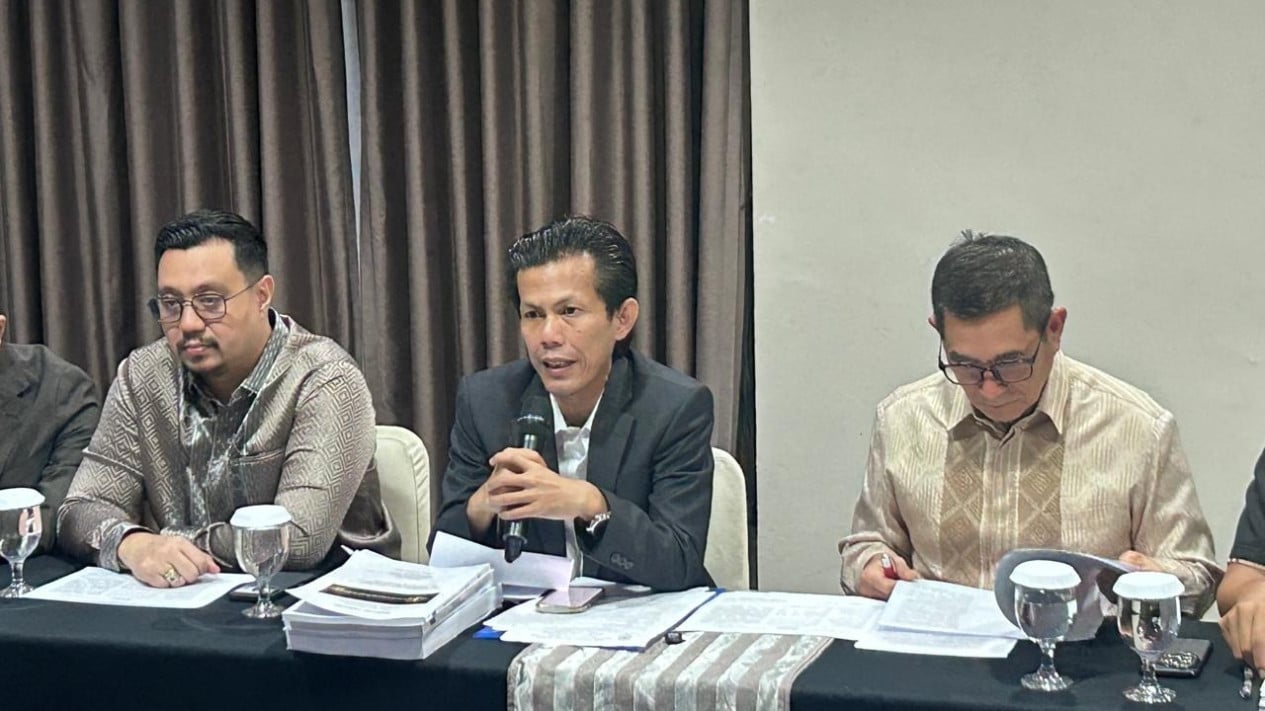
Jakarta — The legal counsel for beneficial owner of PT Orbit Terminal Merak (OTM) Muhamad Kerry Adrianto Riza, Patra M Zen, has emphasised the importance of the fuel oil (BBM) storage terminal owned by PT Orbit Terminal Merak in strengthening Indonesia’s national energy resilience.
Kerry Riza has filed an appeal against the Jakarta Corruption Court’s judgment, which imposed a 15-year prison sentence and a restitution fine of Rp2.9 trillion in a case involving alleged corruption in oil and refinery product management at PT Pertamina.
Patra noted that energy issues have become a global concern, particularly amid rising geopolitical tensions that could affect energy supplies.
Citing Energy and Mineral Resources Minister Bahlil Lahadalia’s statement, Patra stated that Indonesia’s current energy resilience stands at between 20 and 25 days.
He emphasised that OTM’s BBM storage capacity forms part of Indonesia’s total storage capacity, which Pertamina has been leasing from 2014 to maintain the nation’s energy security.
“When the government talks about storage capacity, the capacity to store BBM, that includes OTM’s tanks,” said Patra.
However, according to Patra, Kerry Riza, who acted in good faith to help the government strengthen energy resilience, has instead been prosecuted.
“Where the owner, who acted in good faith, who has already invested, is now imprisoned,” he said.
Patra also stressed that the case has created serious consequences for the investment climate. Investors will hesitate to invest capital if assets can be seized, owners imprisoned, and payments continuously reduced from contractual agreements. This situation creates legal uncertainty that harms the business sector.
“With this case, would anyone want to invest in a BBM terminal? Would anyone? Four years without payment! When paid, the money is reduced and minimised from the contract. Tanks are seized, the owner is imprisoned, ordered to pay restitution. Would you invest in tanks? No.”
Patra highlighted the weak protection afforded to state-owned enterprise (SOE) directors, as mistakes can be fabricated at any time, rendering the supervisory functions of commissioners and shareholders’ meetings—which grant discharge of liability to directors and boards over their actions and policies—meaningless. This condition, he argued, creates uncertainty for SOE managers.