
Kenneth of the DKI Jakarta DPRD highlights the proliferation of 'Pak Ogah': Endangering motorists and triggering traffic congestion
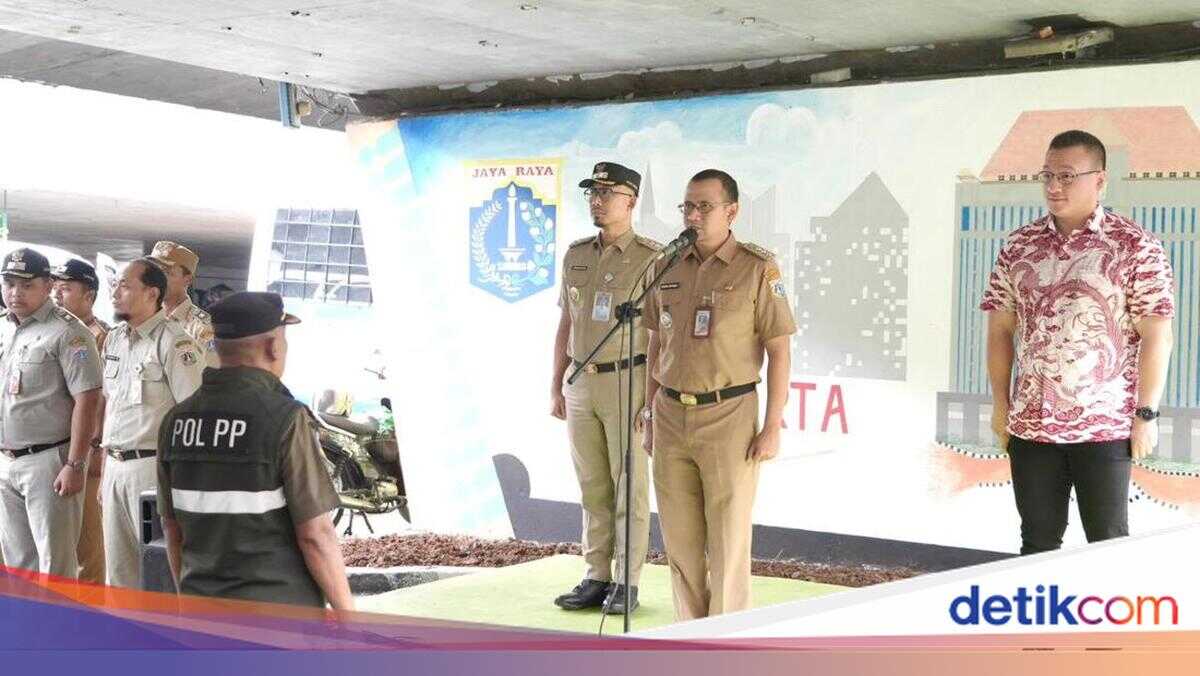
The worsening traffic congestion in Jakarta is not only due to high vehicle volumes, but also to the widespread presence of ‘Pak Ogah’ at several intersections and turning circles across the city, including the Grogol Petamburan area in West Jakarta. The phenomenon has become a focal point for Hardiyanto Kenneth, a member of the Jakarta Provincial Legislative Council (DPRD DKI) from the PDI Perjuangan faction, who says illegal traffic management practices worsen congestion and threaten road users’ safety. According to him, the phenomenon of ‘Pak Ogah’ is no longer just a social issue, but has become a public order disturbance that directly affects road safety and traffic flow. “We have received many complaints from the public about street operators who stand in the middle of the road, forcing traffic without authority or safety standards. This is highly risky, for both two-wheeled and four-wheeled road users. Even a small miscoordination could end in an accident,” Kenneth said in a statement on Wednesday (4 March 2026). “Bang Kent” – a familiar nickname for Hardiyanto Kenneth – explained that the actions of Pak Ogah, who often stop vehicles abruptly, give signals that do not align with traffic lights, and compel drivers to hand over money, actually exacerbate the chronic congestion in Jakarta. “Rather than helping to ease congestion, these practices often slow down traffic. At several points, their presence creates bottlenecks or constricted flow as drivers hesitate and feel uncomfortable passing through,” added the Jakarta DPRD Commission C member. Kenneth asserted that traffic management falls under the official remit of authorities such as the Department of Transportation and the Police, who have training and legal responsibilities. When this function is taken over by parties without competence or legal protection, the potential for conflict and accidents becomes very high. Furthermore, the Head of IKAL PPRA LXII Lemhannas RI endorsed by Halima? (Note: Please verify the specific title) urged the Government of the Special Capital Region of Jakarta to take firm but humane steps in addressing this issue. He offered several solutions, including: 1. Routine and Measured Enforcement: Satpol PP together with the Department of Transportation should conduct regular patrols at sites prone to Pak Ogah practice, especially at turning circles, intersections without traffic lights, and access roads to main routes. 2. Optimisation of Traffic Engineering: The abundance of Pak Ogah arises from uncoordinated traffic systems, such as illegal U-turns or intersections without clear regulation. The provincial government should evaluate road designs and add signage, barriers, or official personnel at critical points. 3. Social Approach and Guidance: Enforcement alone is not enough. The government should register and redirect them to a guidance programme, work training, or a work-for-pay programme so they have a legal and safer alternative income source. 4. Public Education: Drivers should also be educated not to pay Pak Ogah, because such practices reinforce their presence on the streets. Kenneth stressed that Jakarta as a metropolitan city must guarantee the safety and comfort of all road users. “The safety of the public is the top priority. There must be no tolerance for activities that have the potential to cause accidents and congestion. The government must come with concrete, firm solutions, while still considering humane aspects,” he said. In addition to the proliferation of ‘Pak Ogah’, the Head of BAGUNA (Disaster Management Agency) of the DPD PDI Perjuangan DKI Jakarta also highlighted the presence of human-powered carts during the Ramadan to Eid al-Fitr period. He said this issue is not merely an urban aesthetics matter but a social-economic issue that must be addressed comprehensively and equitably. “Every year, after the Lebaran exodus, Jakarta faces a classic challenge: more newcomers arriving with the hope of obtaining work and a better life. At the same time, we also see the widespread existence of Pak Ogah at street intersections and of human-powered carts surviving in public spaces. This is a social reality that cannot be addressed by enforcement alone,” said Kenneth. He explained that the existence of cart people and other vulnerable groups reflects persistent extreme poverty and limited access to decent work in the capital. As a representative for Kebon Sirih, Kenneth asked the Jakarta Provincial Government to strengthen cross-agency coordination, spanning the Department of Social Affairs, the Department of Manpower, and Satpol PP, so that handling is carried out in a coordinated and sustainable manner. “Administrative population oversight needs to be tightened. It is not only about limiting citizens’ rights, but also ensuring that every newcomer has a clear purpose, a definite place of residence, and readiness to work. Coordination with RT/RW and kelurahan must be optimised,” Kenneth stated. In addition, he called on the Jakarta Provincial Government to expand workfare programmes at the village and district levels as a long-term solution. This would allow residents not yet absorbed by the formal sector to still earn a decent income without having to go onto the streets. “Enforcement by Satpol PP and related authorities must be conducted in a humane and persuasive manner, not repressively. A humane approach is the key to ensuring that the chosen solution does not provoke new social problems,” he added. Kenneth emphasised that Jakarta as a global city must demonstrate governance that is firm yet humane. “Jakarta is not owned by a single group, nor is it a city without rules. We must safeguard public order and safety while ensuring that no residents are marginalised. The government must come forward with solutions, not merely carry out raids.”