
Kemkomdigi Targets 98% Population Coverage Free from "Blank Spots" by 2029
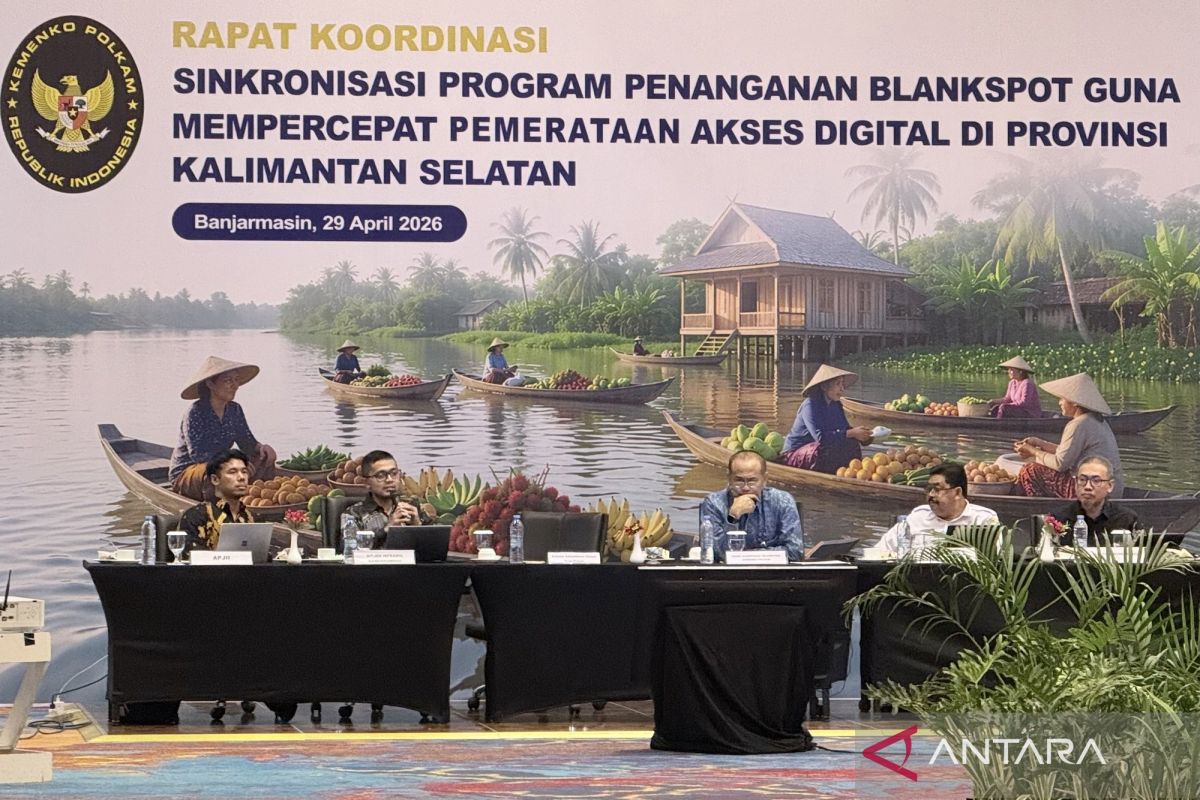
The Ministry of Communication and Digital Affairs (Kemkomdigi) is targeting the expansion of telecommunications services to cover 98% of the population by 2029 as an effort to accelerate the handling of signal-less areas or blank spots across Indonesia.
PIC for Universal Telecommunications Services Policy at Kemkomdigi, Thariq Abdullah M.I. Aziz, stated that this target is related to strengthening backbone networks and developing fixed broadband in various regions.
“The development of fibre optic networks up to the sub-district level is currently around 20%, while household internet penetration is recorded at about 65%,” he said during the Coordination Meeting for Synchronising the Blank Spot Handling Programme across South Kalimantan in Banjarmasin on Wednesday.
In addition to access, he mentioned that infrastructure development also includes strengthening backbone networks as part of providing internet services in various areas.
He explained that fibre optics is the top priority because it is considered to have better resilience against weather and physical disruptions compared to other networks.
If fibre optic development is not yet possible, he said, the government uses terrestrial wireless alternatives such as microwave links to connect networks between regions.
Meanwhile, satellite services are positioned as the last resort, including the utilisation of the SATRIA programme managed by BAKTI to reach areas not served by main networks.
Thariq also conveyed that the role of local governments is needed in providing tower land, easing permits, and regulating fees for cellular operators.
“The government is running the Internet Village programme with an initial six-month funding scheme for communities in certain areas before continuing independently,” he stated.
Based on the latest data, Kemkomdigi records around 3,029 villages in Indonesia that are still blank spots or areas without internet access until 2026.