
Kemendikdasmen: Special-needs students launch businesses through PKW
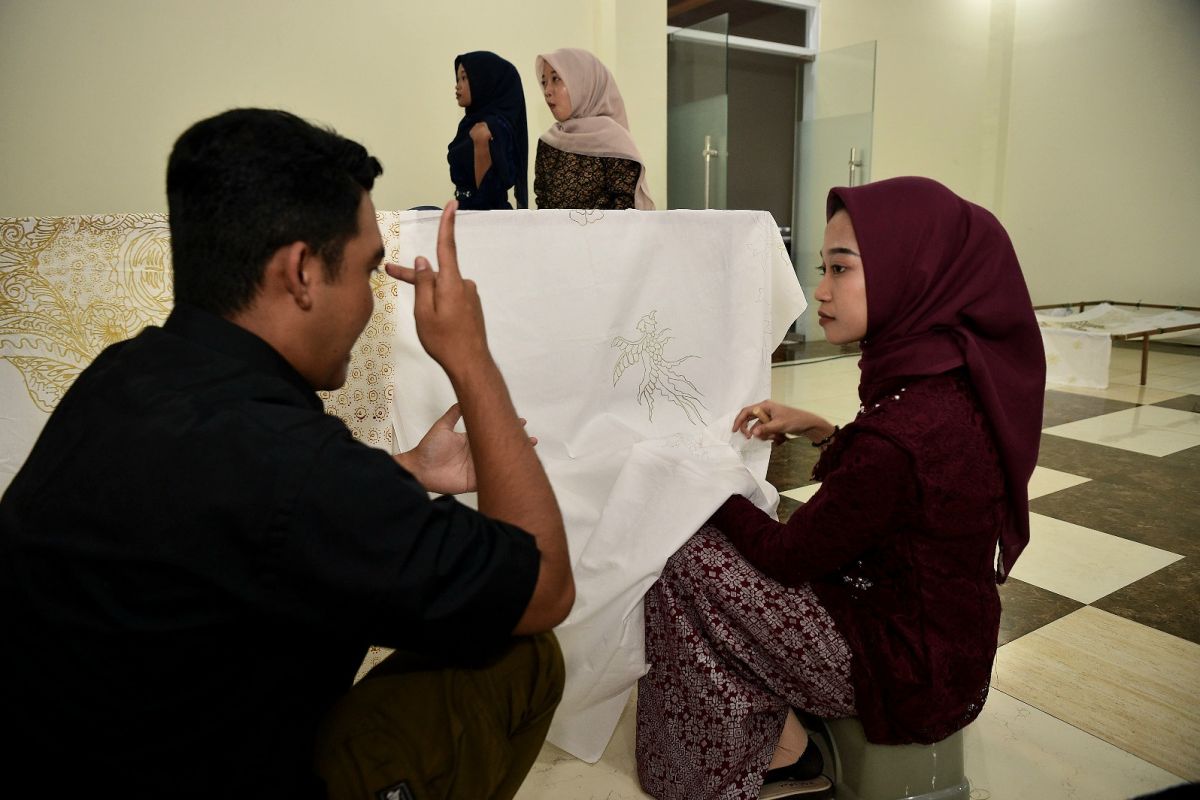
Jakarta — The Directorate of Courses and Training of the Ministry of Education, Culture, and Basic and Secondary Education (Kemendikdasmen) says that a number of santri with special needs who are deaf and hard of hearing or speech-impaired in Jepara Regency, Central Java, have started a batik business through the Entrepreneurship Skills Education (PKW) programme. The Directorate of Courses and Training has designed an inclusive learning model so that learners with physical limitations can still take part in the learning process and realise their future aspirations, said Yaya Sutarya, Director of Courses and Training of Kemendikdasmen, in a written statement in Jakarta on Friday. One participant is Ajibatin Ni’mah, known as Aik, alumnus of the Tahfidz Tuli Irhamnyy Robby Islamic boarding school in Jepara. Despite communication limitations, Aik has remained diligent in developing batik skills through PKW 2025, which runs from May to June 2025. He is currently still studying at the pesantren while continuing to develop batik skills between Qur’anic recitation sessions. Together with a mentoring team, Aik’s batik works are now marketed online through the digital store named “Santui Jepara”, an abbreviation of Santri Tuli (Deaf Santris). Similar stories come from Tsabita Durratul Hikmah, an alumnus of SMKN 2 Jepara, who also joined PKW 2025. With a background in batik art from school, Tsabita and her colleague formed a group enterprise named Batik Catur Wastawa. Their batik products are marketed online through the digital store named Catur Wastawa, though production and marketing are still under development. Production workshops are held in the Sekuro area of Jepara, featuring motifs unique to the region such as Lung-lungan Jepara, inspired by Jepara’s traditional carvings. “With the training, I have come to understand batik more deeply and gained knowledge about the materials and production processes,” Tsabita said. Through PKW, Kemendikdasmen continues to encourage the emergence of youth entrepreneurs based on skills and local culture, while opening a more inclusive space so that every learner has the same opportunity to grow, create, and be independent toward realising Quality Education for All.