
Kemendagri Presents 2026 Sulawesi Regional Awards for Outstanding Local Governments
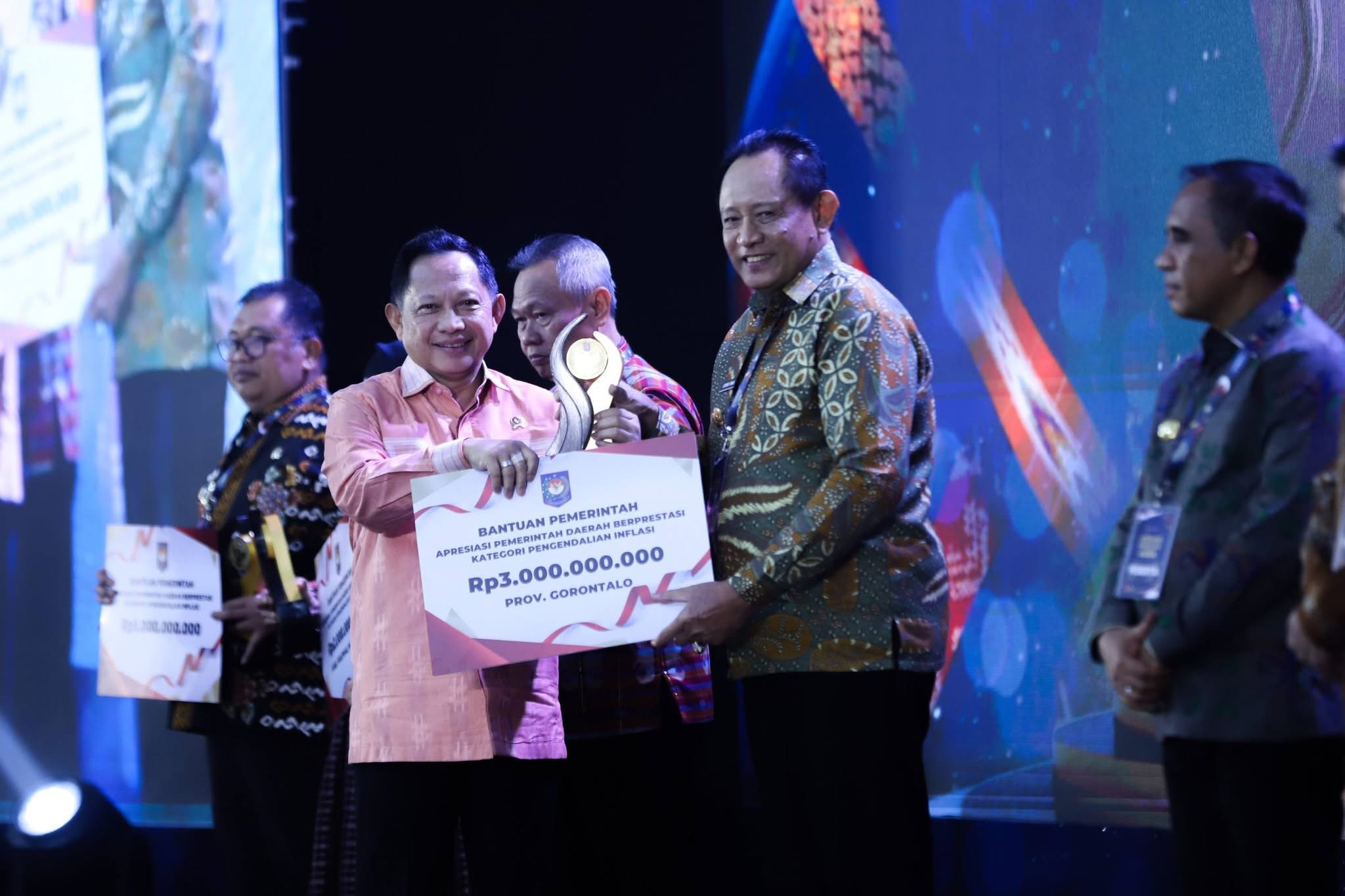
The Ministry of Home Affairs (Kemendagri) awarded outstanding local governments during the Regional Sulawesi 2026 Local Government Appreciation event held at Hotel Claro Kendari on Friday evening (29 May). The event, hosted by Southeast Sulawesi, served as a platform to recognise local governments’ achievements in enhancing public welfare through innovative development programmes. Awards were presented across four main categories: Unemployment Reduction, Creative Financing, Inflation Control, and Poverty and Stunting Mitigation. In the Unemployment Reduction category, Kolaka Regency won first place at the regency level, followed by Konawe Islands Regency in second and North Kolaka Regency in third. For cities, Baubau City took first, Kendari City second, and Parepare City third. The provincial-level winner was West Sulawesi Province. In Creative Financing, Wajo Regency secured first place at the regency level, with Kolaka Regency second and Mamasa Regency third. For cities, Makassar City took first, Palu City second, and Manado City third. At the provincial level, South Sulawesi Province won first and Southeast Sulawesi second. In Inflation Control, Sigi Regency claimed first place at the regency level, followed by Polewali Mandar Regency second and Takalar Regency third. For cities, Bitung City took first, Palopo City second, and Palu City third. At the provincial level, Gorontalo Province won first and Central Sulawesi second. For Poverty and Stunting Mitigation, Sidenreng Rappang Regency took first place at the regency level, followed by East Bolaang Mongondow Regency second and Gowa Regency third. Among cities, Tomohon City won first, Manado City second, and Makassar City third. At the provincial level, North Sulawesi Province claimed first place. The ceremony was attended by senior national officials, including Home Affairs Minister Muhammad Tito Karnavian, Deputy Home Affairs Minister Akhmad Wiyagus, Housing and Settlement Minister Maruarar Sirait, Coordinating Minister for Political and Security Affairs Djamari Chaniago, Statistics Bureau Chief Amalia Adininggar Widyasanti, as well as governors, regents, mayors, and regional security officials across Sulawesi. Southeast Sulawesi Governor Andi Sumangerukka expressed gratitude for being chosen as host. ‘On behalf of the provincial government and people of Southeast Sulawesi, we welcome all guests and participants to the Land of Anoa,’ he said. He noted the awards recognise central government acknowledgment of local achievements in public service innovation and impactful development. ‘We congratulate all local governments honoured tonight. May these achievements motivate continued improvements in service quality and regional development,’ he added. Home Affairs Minister Muhammad Tito Karnavian stated the event served as both recognition and motivation for local leaders to enhance governance performance. ‘This event demonstrates there are many capable and high-performing local leaders,’ he said. Tito explained the regional-based evaluation system ensures fair competition among areas with differing fiscal capacities. Assessments used measurable indicators and official data from Statistics Bureau (BPS) and the Local Government Information System (SIPD). ‘Metrics such as unemployment, poverty, and inflation are quantifiable. Data sourced from BPS and SIPD ensures objective and transparent results,’ he added. Coordinating Minister for Political and Security Affairs Djamari Chaniago added that regional competition this year was extremely tight, with minimal score differences indicating improved local government performance across Sulawesi. ‘Those who did not win should not be disheartened, as the score gaps were very narrow. It shows our regions are generally performing well,’ he said. He also stressed the importance of synergy between local governments and all Forkopimda members in implementing development programmes to improve public welfare. ‘No task can be accomplished alone. All regional stakeholders must collaborate to achieve the primary goal of societal prosperity,’ he emphasised.