
Kemdiktisaintek supports national waste management based on technology
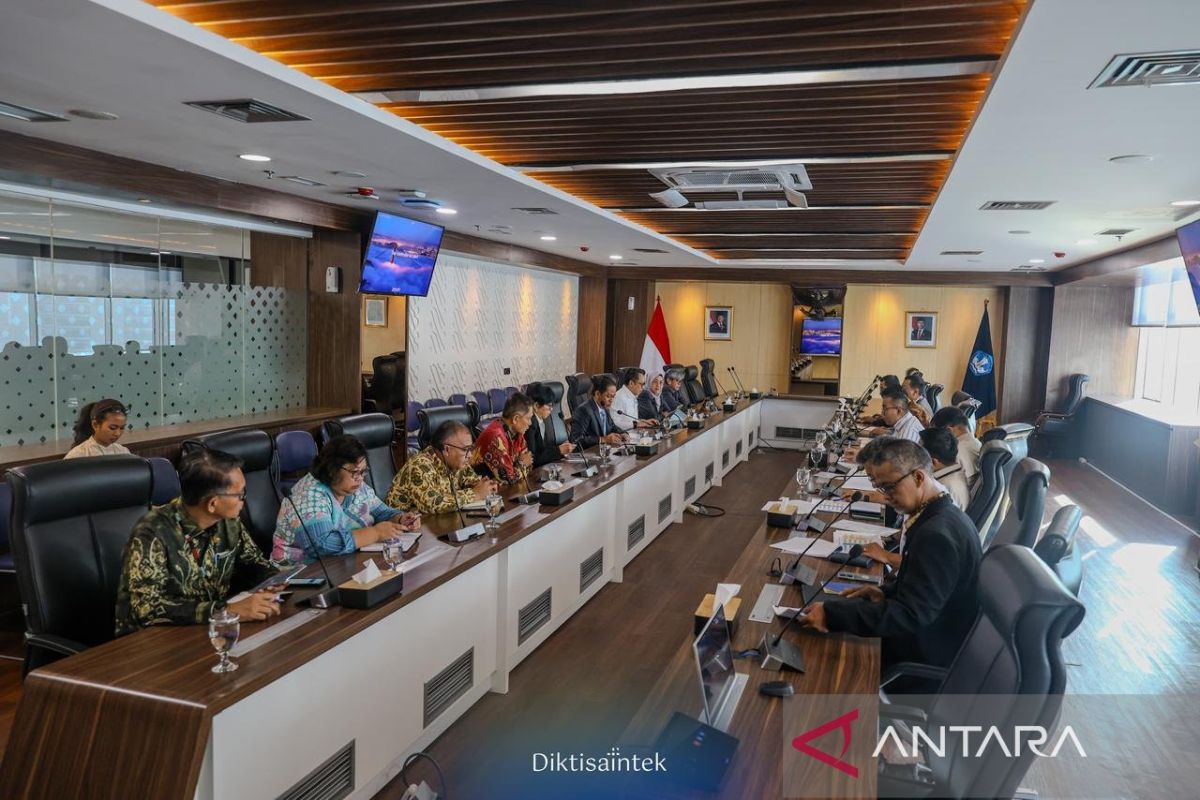
Jakarta (ANTARA) - The Ministry of Education, Higher Education, Science, and Technology (Kemdiktisaintek) is promoting the acceleration of national waste management through strengthened cross-sectoral collaboration based on technology and innovation. This was conveyed during a meeting between the Minister of Education, Higher Education, Science, and Technology (Mendiktisaintek) Brian Yuliarto and the Minister of Environment (Menteri LH) Hanif Faisol Nurofiq at the Kemdiktisaintek office in Jakarta on Tuesday. The Mendiktisaintek emphasised that a science and technology-based approach is a crucial foundation for formulating effective and sustainable waste management solutions. “What we have designed previously is a macro template. After assessing the field conditions, we will utilise the existing TPS 3R reduce, reuse, recycle database to promptly move to the implementation stage,” said Minister Brian in an official statement. In this context, Kemdiktisaintek is encouraging the optimisation of more than 100 Temporary Waste Collection Points (TPS 3R) that are already available as part of strengthening upstream waste management. Universities, according to Brian, will be actively involved in this process, both through contributions from lecturers, researchers, and students in field surveys, mapping, and technical studies. On the same occasion, the Minister of Environment expressed appreciation for Kemdiktisaintek’s support in strengthening the scientific basis of waste management policies, where collaboration with academics is key to ensuring that policies can be implemented effectively. “The Ministry of Environment will review research and formulations from academic colleagues, so that field implementation can proceed more harmoniously,” stated Minister Hanif. Furthermore, he indicated that the government is also promoting the strengthening of the waste management ecosystem, which prioritises upstream interventions through the utilisation of technology and changes in public behaviour. “This approach is important given that urban waste accumulation is still dominated by household waste with a high organic composition, thus necessitating a reduction in the processing burden at Final Disposal Sites (TPA) while increasing the overall efficiency of the waste management system,” remarked Hanif Faisol Nurofiq.