
Kemdiktisaintek supports efforts to convert waste into electricity
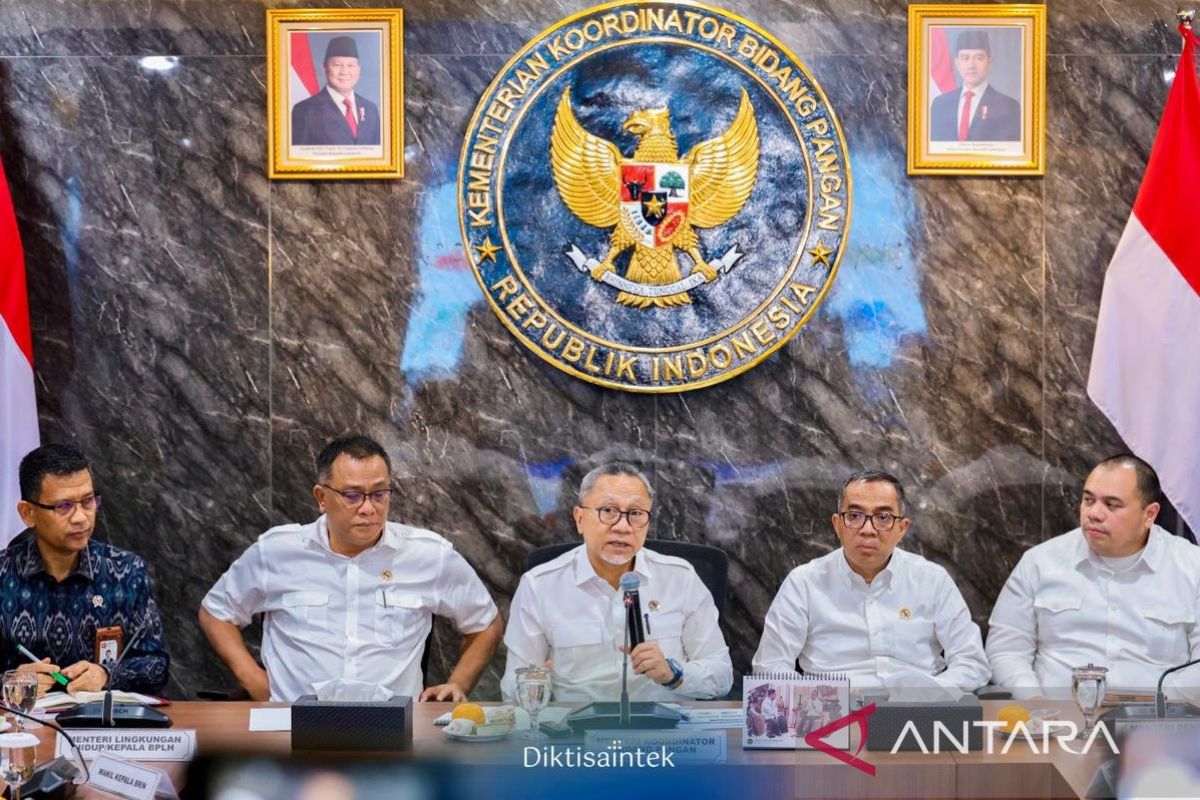
Jakarta — The Ministry of Higher Education, Science, and Technology (Kemdiktisaintek) continues to support efforts to accelerate waste-to-energy processing as a strategic solution to the national waste emergency. Minister of Higher Education, Science, and Technology (Mendiktisaintek) Brian Yuliarto said in a statement in Jakarta on Wednesday that optimal waste management must begin with segregation at the source. ‘Each type of waste requires a different technological approach to ensure the processing can be more effective and efficient. Pyrolysis technology, for instance, will work best on plastic waste with a certain purity level, while other technologies are more suitable for organic waste or residues,’ he said. As part of a long-term solution, Minister Brian noted that his ministry, together with the National Research and Innovation Agency (BRIN) and Danantara, is continuing to develop technology designs and engineering for waste processing based on national research. Various research results that have entered pilot testing and proven technology stages are being prepared to support waste processing of households, industries, and even medical waste to provide economic added value while delivering environmental benefits. ‘The government is also promoting decentralised development of waste processing systems at regional and district levels with capacities of 10 to 100 tonnes per day,’ he added. In addition, the government is taking steps to accelerate regulation, licensing, and standardisation of products resulting from waste processing, such as renewable liquid fuels (BBM terbarukan), refuse-derived fuel (RDF), biomass, and biochar. Earlier, several state agency leaders attended a Limited Coordinating Meeting chaired by the Coordinating Minister for Food Affairs on Tuesday (19/5). The meeting followed the mandate of Presidential Regulation No. 109 of 2025, particularly Article 15(2) and (3), regarding the acceleration of waste-to-energy processing. In the forum, two main agendas were discussed: accelerating the development of Waste-to-Energy (PSEL) electricity projects at 12 priority locations and the development of pyrolysis technology and bioenergy to convert waste dumps into renewable fuels.