
KCI Reveals Commuter Rail Fares Could Rise to Rp 3,500
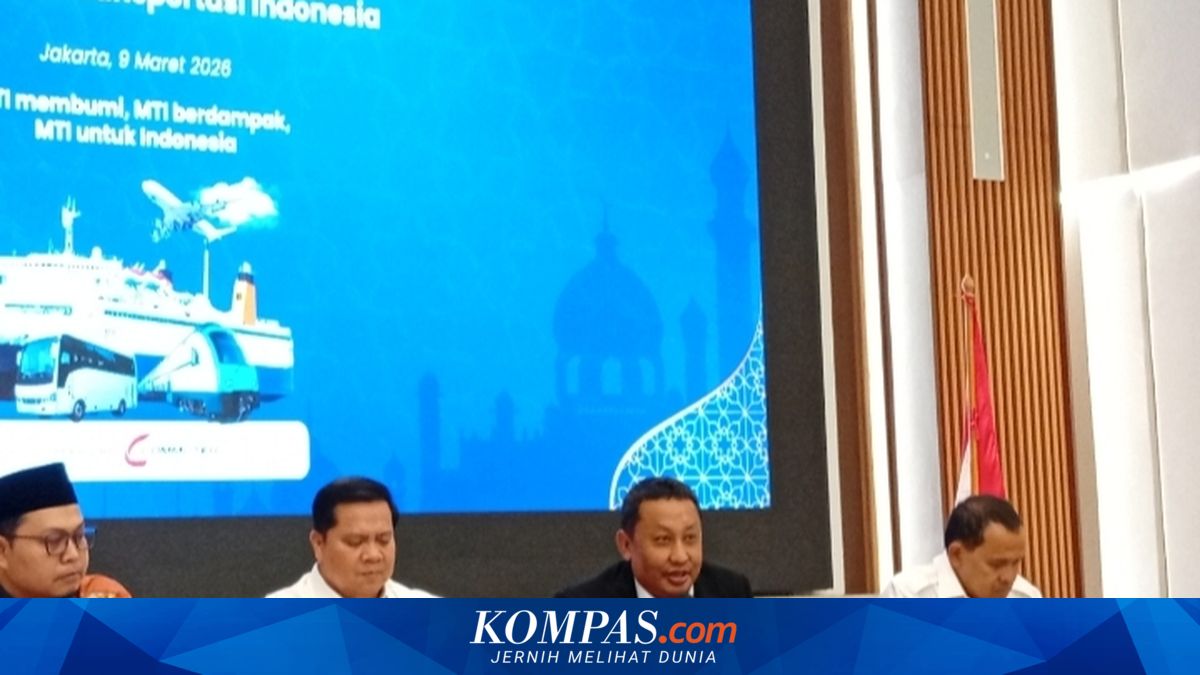
Jakarta — The Chief Executive of PT Kereta Commuter Indonesia (KCI), Mochamad Purnomosidi, has disclosed plans for a potential increase in commuter rail (KRL) fares. However, the proposed fare rise is currently undergoing in-depth assessment.
Purnomo stated that the fare increase is being considered to reduce the subsidies currently borne by the government.
“The idea is how we can reduce the subsidy burden. It’s a burden on the government. We’re exploring various solutions, including a priority train service,” said Purnomo at the KCI Hall in Juanda, Central Jakarta, on Monday, 9 March 2026.
Under this proposal, KRL ticket prices would increase to Rp 3,500 from the current Rp 3,000.
Despite this, Purnomo emphasised that any KRL fare increase would not be decided hastily. In addition to ongoing assessment, the company must also seek approval from the Ministry of Transportation (Kemenhub).
“We cannot make this decision ourselves. We need approval from the ministry because this is a subsidised railway,” Purnomo explained.
KCI is also considering ensuring that future KRL subsidies are better targeted.
Currently, the government provides subsidies so that KRL passengers can enjoy a discounted fare of Rp 3,000 for the first 25 kilometres. Thereafter, the fare is Rp 1,000 for the next 10 kilometres.
Purnomo outlined the concept of a priority train service, which he said could serve as an alternative solution to reduce the burden of KRL fare subsidies.
“We’re studying it first. But there is clearly an intention to reduce subsidies, including through a priority train service,” said Purnomo.
“It could also be that the priority train service doesn’t materialise, but we increase the fares on the standard economy service. There are still other alternatives as well,” Purnomo added.
He noted that priority train services would have significantly shorter travel times compared to standard KRL services.
Furthermore, priority trains would not stop at every station. The fares for these trains would be higher compared to standard services.
“We would only stop at busy stations. We are still developing these plans with the intention of reducing subsidies,” said Purnomo.
“Like the Express service we had before, which followed the economy trains. We’re aiming for this to be relatively faster without following the economy service,” he added.