
KBPP Polri Says Reward-and-Punishment by the Police Chief Is Key to Safeguarding the Institution's Honour
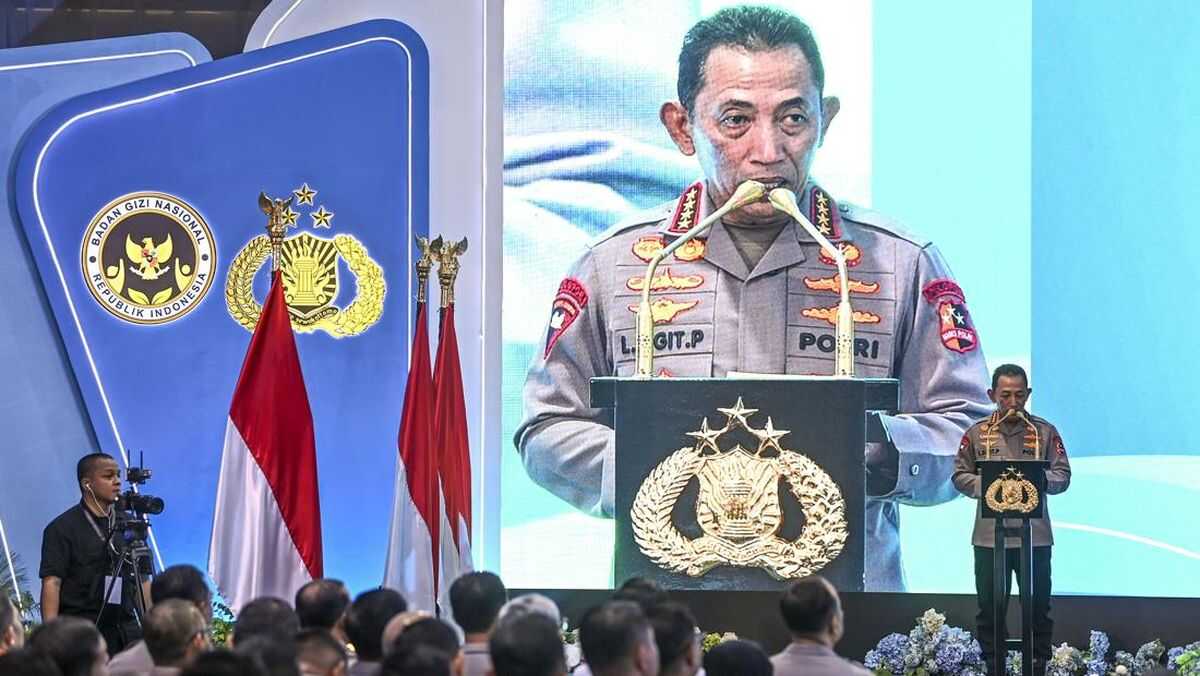
AH. Bimo Suryono, who served as the chairman of the KBPP Polri for the 2015-2021 period, claims that Police Chief General Listyo Sigit Prabowo has rendered rewards and punishments to his officers fairly, for both those who are problematic and those who excel. According to Bimo, rewards and enforcement must run in balance within a law-enforcement institution, namely the Bhayangkara Corps. “Officers who demonstrate professionalism, courage, and the ability to restrain themselves in difficult situations should receive due recognition. Conversely, those who abuse their authority must be dealt with firmly without compromise,” he said in a written statement on Wednesday (4/3). Bimo regards Polri as an institution of honour. Therefore, when a member can refrain from provocation on the street, that member’s conduct is upholding the state’s honour. Moreover, he added, when a leader continues to lead despite being wounded, that demonstrates true dedication. However, he stressed that the institution’s honour must be safeguarded from within. “The mistakes of a small number of individuals should not be allowed to erode public trust in Polri. It is precisely here that the punishment system must be enforced firmly, so that the institution remains grounded in integrity,” he said. Bimo sees the success of the reward-and-punishment system as determining the future public trust in Polri. He stated that if those who perform well are truly rewarded, and violations are dealt with transparently and consistently, the public will see Polri as an institution that continues to reform. “Conversely, if rewards and punishments do not operate clearly, the public will struggle to distinguish between devotion and deviation,” he added. Bimo also highlighted several incidents involving police officers that have attracted public attention recently. One example is the Chief of Polres Tual, Maluku, who personally led the security operations during clashes between two villages in the region. The officer himself even became a victim after being struck by an arrow. “This incident serves as a reminder that police duty involves not only facing criticism or social pressure, but often real threats to safety,” Bimo said. He also touched on the involvement of former Bima City Police Chief AKBP Didik Putra Kuncoro, who was dragged into a drug case. Bimo described this as a slap in the face for an institution at the frontline of the war on drugs. “The incident shows that within an institution as large as Polri there are always two sides: the sincere dedication of the majority of officers, and the deviations carried out by a minority,” he added. He stressed that the momentum of these recent events should serve as a reminder to everyone that Polri is not merely a law-enforcement agency; it is a symbol of the state’s presence in maintaining order and justice. “Therefore, ensuring that the reward-and-punishment system is fair and consistent is not only important for internal Polri but for the future public trust in the nation’s law-enforcement institutions. Bravo Polri,” he concluded.