
KBI Anticipates Margin Call Risk Amid Oil Price Volatility
Jakarta — Sharp rises in global crude oil prices resulting from escalating Middle East conflicts are beginning to impact commodity futures trading activity in Indonesia.
The rapid energy price increases, which have triggered high volatility across global financial markets including Indonesia, have prompted PT Kliring Berjangka Indonesia (KBI) to strengthen oversight of customer transactions and margin adequacy.
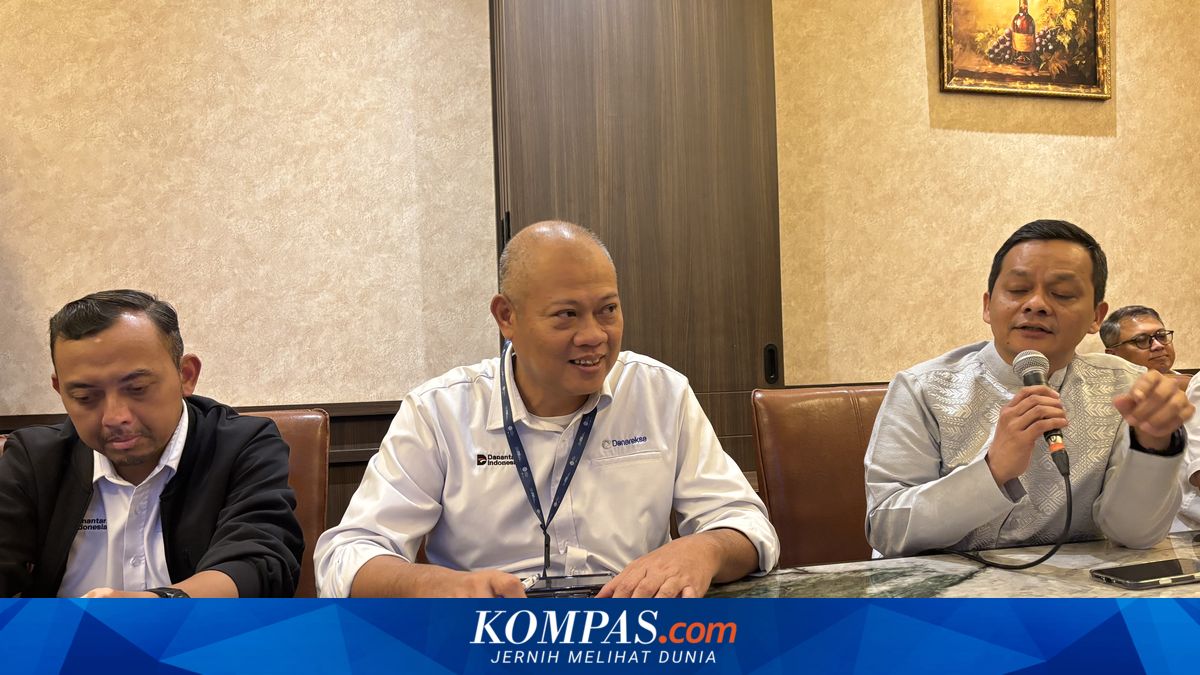
KBI Chief Executive Budi Susanto stated that the company is anticipating potential margin calls, a risk that occurs when commodity prices move sharply, including crude oil.
This evaluation is now being conducted not only on a weekly basis but also on a daily basis to ensure that customer margin deposits remain sufficient against the risks of price movements occurring in the market.
“We are anticipating this now — we have daily and weekly margin evaluations. We have adjusted the initial margin specifically for the weekend period. Because the weekend spans Friday through Monday,” Susanto said during a joint fast-breaking event with media representatives in central Jakarta on Monday 9 March 2026.
For context, margin call in Indonesia’s futures clearing system is a risk management mechanism operated by the clearing house to ensure each futures contract transaction maintains sufficient fund guarantees when market prices move sharply.
Traders are required to deposit a certain amount of security funds or margin. This margin functions as a buffer to cover potential losses if prices move opposite to the position taken.
Global crude oil prices on Tuesday afternoon have breached the psychological level of $113.68 per barrel. This figure represents an increase from previous levels between $70 and $80 per barrel.
“The concern is that margin coverage might be insufficient, particularly given that oil prices have risen extraordinarily from $70,000-80,000 per barrel to $113,000 per barrel now. That happened this morning, so we are indeed conducting evaluations — even now on a daily basis, though it was weekly before,” Susanto explained.
This conflict has disrupted global strategic shipping routes, particularly the Strait of Hormuz.
If these conditions persist for an extended period, the impact could extend to a slowdown in global economic growth.
Nevertheless, Susanto assessed that the increased volatility has actually made futures exchange trading activity in the country more active.