
KAI serves 369,457 passengers during long weekend departure rush
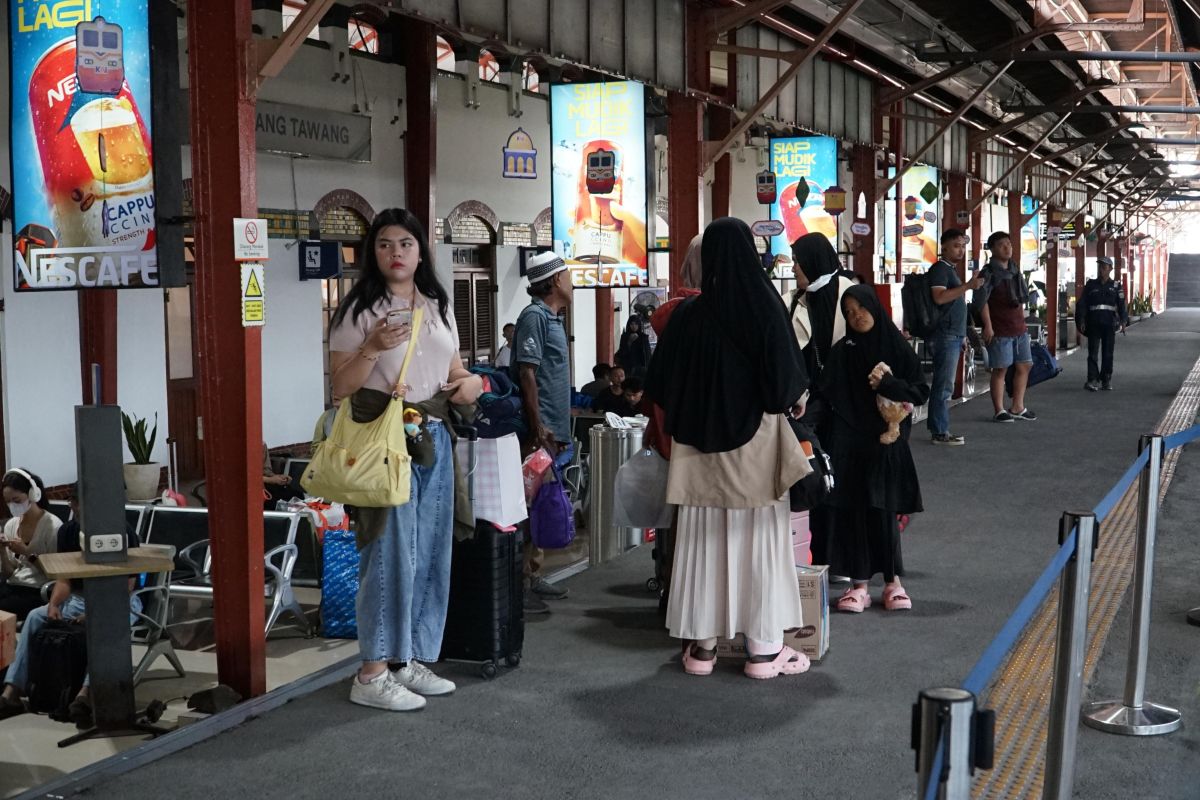
Ticket sales for the May 26-June 1 period exceeded 1,008,122 tickets by 10:00 WIB on May 28, 2026.
The long weekend coinciding with Eid al-Adha 1447 Hijriah and Pancasila Day has boosted regional mobility. Rail travel has again become a preferred choice for those seeking predictable journey times, comfortable travel conditions, and easy access to city centres and tourist destinations.
PT Kereta Api Indonesia (Persero) reported ticket sales for the May 26-June 1 departure period reached 1,008,122 by 10:00 WIB on May 28, with potential for further increases as sales continue. During the initial two days of the travel rush on May 26-27, KAI served 369,457 passengers.
Anne Purba, KAI’s Vice President of Corporate Communication, noted strong public enthusiasm from the first day of the long weekend.
“This long weekend demonstrates that rail travel is increasingly becoming the public’s top choice for intercity journeys. Beyond being more convenient and comfortable, train travel offers a relaxed journey experience, allowing passengers to enjoy their holiday more fully,” Purba said.
KAI observed passenger patterns spreading evenly across popular cities in Java and Sumatra. Yogyakarta, Bandung, Semarang, Solo, and Surabaya remain top destinations due to their tourism, culinary, cultural attractions, and improved multi-modal connectivity from stations. Amid high road mobility during the holiday, passengers are increasingly prioritising travel comfort, punctuality, and the scenic journey experience as part of their holiday.
Daily passenger occupancy during the long weekend:
May 26, 2026: 214,349 passengers
May 27, 2026: 155,108 passengers
May 28, 2026: 141,610 passengers
May 29, 2026: 119,922 passengers
May 30, 2026: 128,931 passengers
May 31, 2026: 121,581 passengers
June 1, 2026: 126,621 passengers
The occupancy data shows a prolonged and stable passenger flow throughout the holiday period. The peak departure day was May 26 with over 214,000 passengers, followed by daily figures consistently above 100,000 until early June. This reflects a growing trend of flexible holiday travel, whether for homecoming, tourism, or short escapes to various destinations.
Based on preliminary cumulative sales data for the May 26-June 1 period, the top 10 departure stations during the long weekend were:
Pasarsenen Station: 76,356 passengers
Gambir Station: 63,757 passengers
Yogyakarta Station: 57,603 passengers
Semarang Tawang Station: 40,289 passengers
Bandung Station: 33,456 passengers
Surabaya Gubeng Station: 32,835 passengers
Surabaya Pasarturi Station: 32,537 passengers
Lempuyangan Station: 29,801 passengers
Purwokerto Station: 29,136 passengers
Semarang Poncol Station: 28,231 passengers
The dominance of Pasarsenen and Gambir stations highlights Jakarta as the largest mobility hub during the long weekend. Meanwhile, high departure volumes from Yogyakarta, Semarang, Purwokerto, and Surabaya demonstrate strong intercity rail connectivity across Java. The list also reflects shifting travel preferences towards cities offering cultural tourism, cuisine, heritage sites, and urban areas easily accessible via city-centre railway services.
To ensure smooth passenger departures during this peak period, KAI continues to enhance its digital service transformation by incorporating customer feedback for a more convenient, faster, and comfortable boarding process. One optimised feature is facial recognition at station boarding gates. Between January and April 2026, 3,129,387 passengers used this service to expedite boarding and reduce queuing at departure stations.
“Digital transformation will continue to be developed to deliver safer, more comfortable, efficient, and relevant travel experiences in line with current public mobility needs,” Purba concluded.