
KAI Prepares 5G Internet on Trains, Trials to Begin During 2026 Holiday Season
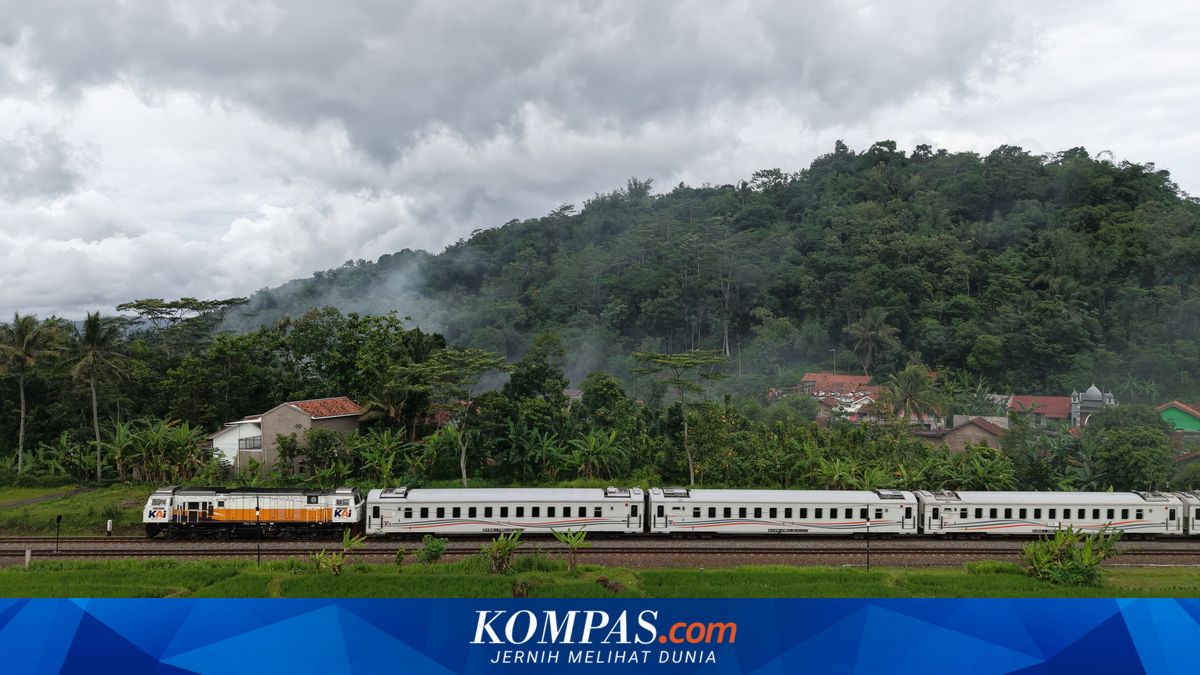
PT Kereta Api Indonesia (Persero) targets 5G-based WiFi services to be available for long-distance train passengers starting in June 2026, coinciding with the holiday season. KAI’s President Director Bobby Rasyidin stated that this enhancement aims to address passenger complaints regarding suboptimal internet connections, especially for streaming needs. “There are many complaints that the internet on trains is not good, especially for streaming. That’s why, if possible, with 5G networks, we will provide better internet services in June-July,” said Bobby after signing a memorandum of understanding at Tanah Abang Station, Jakarta, on Wednesday (15/4/2026), as quoted from Antara. With faster and more stable networks, passengers are expected to enjoy improved video streaming and internet connectivity throughout their journeys. The priority routes for implementing this service are those with high occupancy during holidays, such as to Semarang, Yogyakarta, and Surabaya. “We will prioritise our main trains first, like those to Jogja, for example. Perhaps KA Taksaka first, then those on the northern route like KA Argo… yes, we will prioritise those,” said Bobby. To support this implementation, KAI has forged a strategic partnership with PT Solusi Sinergi Digital Tbk and Huawei Tech Investment through the signing of a memorandum of understanding (MoU). This collaboration aims to accelerate the adoption of 5G and artificial intelligence (AI) technologies in the national railway system. Under the partnership, the three parties will explore three main areas: the development of information and communication technology (ICT) infrastructure, the implementation of 5G FRMCS (Future Railway Mobile Communication System), and the application of AI-based carriage detection. The development of ICT infrastructure includes providing backbone networks, wireless coverage at stations and depots, and cloud solutions to support business continuity and service expansion. Meanwhile, the implementation of 5G FRMCS is expected to enhance safety and operational efficiency, including through a pilot project on the Rangkasbitung–Tanah Abang route for intelligent train scheduling. The AI-based carriage detection technology enables automatic monitoring of freight train conditions, thereby improving operational efficiency while reducing the need for manual inspections.