
KAI: Locomotives Use B40 Fuel as a Form of Energy Innovation
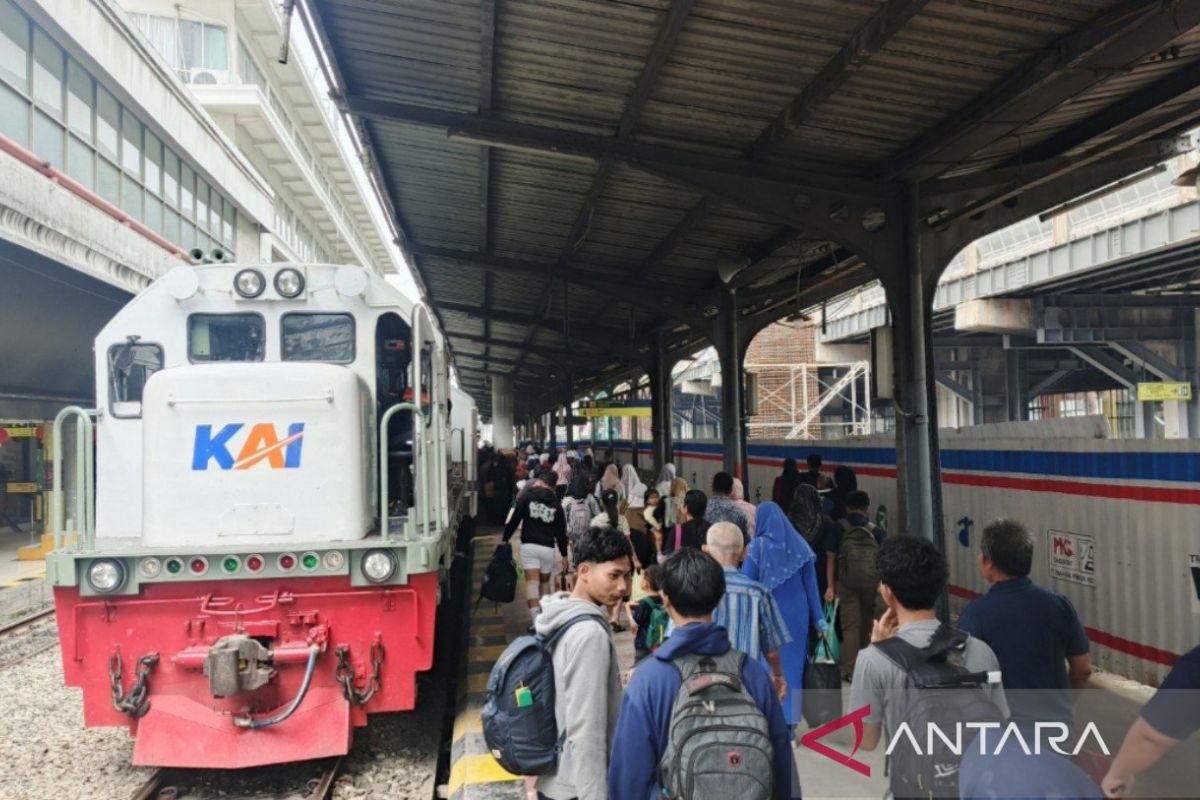
PT Kereta Api Indonesia (Persero) Divisi Regional I Sumatera Utara has stated that all locomotives and generators operating in Divre I Sumut now use fuel oil (BBM) of the biosolar B40 type as a form of energy innovation.
“All diesel engines in KAI Divre I Sumatera Utara have been using biosolar B40, which is a mixture of 60 per cent diesel and 40 per cent biodiesel. This fuel offers advantages in improving engine performance and producing lower carbon emissions, aligning with the Net Zero Emission (NZE) target of 2060,” said Acting Manager of Public Relations for KAI Divre I Sumatera Utara, Anwar Yuli Prastyo, in Medan on Wednesday.
Anwar added that biosolar B40 is also biodegradable, or easily broken down by microorganisms, thereby minimising pollution impacts on soil and water in the areas surrounding the railway tracks.
In addition to managing subsidised BBM, KAI Divre I Sumut recorded the use of 151,188 litres of non-subsidised BBM over the past three months.
This allocation of non-subsidised BBM is used specifically for freight transport services as well as the operation of work equipment and Rail Track Maintenance Machines (MPJR) to ensure that track safety standards are maintained without burdening the public subsidy quota.
He stated that the implementation of biosolar B40 on the train fleet represents KAI’s commitment to transforming green transportation based on Environmental, Social, and Governance (ESG) principles.
“KAI strives to ensure that every drop of subsidised BBM allocated by the state is used on target and with high effectiveness. KAI is committed to continuing as the backbone of transportation in Sumatera Utara that is not only efficient and affordable, but also environmentally friendly, so that its benefits can be felt sustainably by all levels of society,” he said.
He mentioned that the efficiency of BBM use in trains directly impacts the affordability of travel costs for the public.
The use of BBM covers the operation of locomotives as movers of train sets as well as generator engines that supply electricity needs for lighting, air conditioning (AC), and charging facilities for passengers during the journey.
“In the midst of increasingly limited BBM conditions, trains present themselves as a solution for mobility that remains economical and reliable. With large carrying capacity, trains become efficient transportation so that government subsidies can be directly felt by the public,” he said.