
KAI Daop 1 Jakarta to Operate 18 Additional Trains for 2026 Lebaran Exodus
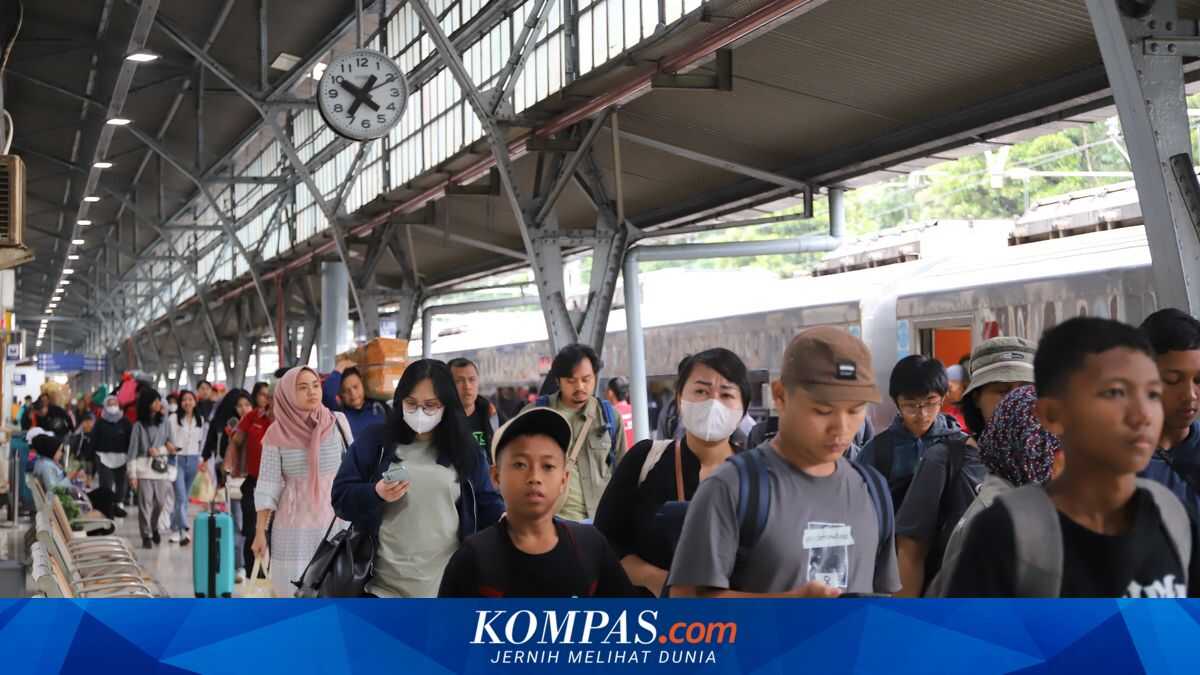
PT Kereta Api Indonesia (KAI) Daerah Operasi 1 Jakarta will operate a total of 18 additional trains during the 2026 Lebaran transportation period.
“KAI Daop 1 Jakarta ensures all fleets are in prime condition through disciplined periodic maintenance in accordance with safety standards. Inspections are conducted through monthly, three-monthly, six-monthly, twelve-monthly, and twenty-four-monthly cycles,” said KAI Daop 1 Jakarta Public Relations Manager Franoto Wibowo in an official statement on Friday (27 February 2026).
Overall, KAI Daop 1 Jakarta will operate a total of 86 long-distance train services daily during the 2026 Lebaran transportation period. This comprises 68 regular trains, 12 additional trains from Gambir Station, and 6 additional trains from Pasar Senen Station.
The train tickets will depart from 11 March to 1 April 2026 from Gambir and Pasar Senen stations. Franoto stated that approximately 98,000 train tickets remain available for public booking, with departures scheduled from 11 to 20 March 2026.
Franoto emphasised that equipment readiness is KAI’s top priority amid high public demand for rail transport during the 2026 exodus period. Accordingly, the company is conducting intensive and scheduled maintenance on all fleets at the Cipinang Locomotive and Train Depot and Rangkasbitung Locomotive Depot.
KAI Daop 1 Jakarta manages a total fleet of 354 units, comprising 50 locomotives, 12 diesel rail cars (KRD), 257 executive class, economy class, and restaurant cars, and 35 power generation cars.
“We urge the public to plan their journeys carefully and make reservations through official KAI channels,” Franoto said. He added that with equipment readiness and increased services, the company is confident that this year’s Lebaran transportation can run smoothly and provide safe and comfortable travel experiences.
“KAI Daop 1 Jakarta is committed to maintaining operational reliability whilst strengthening public confidence in rail transport services as the primary choice for exodus travel,” Franoto concluded.