
KAI cement and clinker transport reaches 752,000 tonnes, supporting national construction material distribution
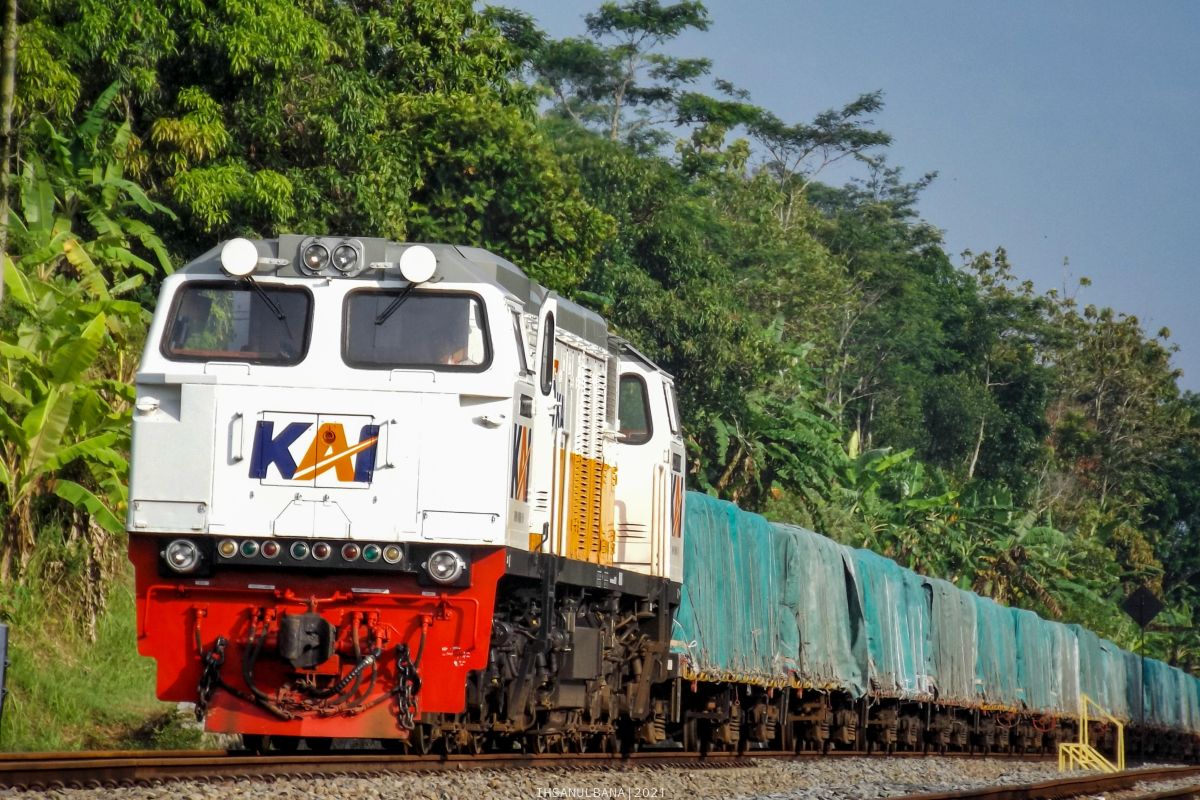
Rail-based distribution helps maintain the smooth supply of construction materials amid growth in the national construction and industrial sectors.
Jakarta, ANTARA — PT Kereta Api Indonesia (Persero) recorded cement and clinker transport volumes of 752,852 tonnes from January to April 2026. The figure highlights the role of rail-based transport in ensuring the steady distribution of construction materials, a key component of infrastructure development, industrial estates, and housing needs across regions.
In April 2026, cement and clinker transport volumes reached 185,258 tonnes. Previously, KAI carried 205,794 tonnes in January 2026, with a significant rise in February to 357,120 tonnes. This distribution demonstrates the high logistics demand for building materials in various developing regions.
Anne Purba, Vice President for Corporate Communications at KAI, said that the cement and clinker transport is one of the logistics services with a strategic role in supporting the national supply chain. The railway mode is seen as capable of sustaining distribution with large capacity, measurable travel times, and efficient inter-regional logistics.
“We note that the movement of cement and clinker is closely linked to construction activity. When distribution runs smoothly, the development of industrial estates, housing, public facilities, and regional connectivity can proceed more effectively,” Anne said.
Data from the Indonesian Central Statistics Agency (BPS) show that the construction sector remains a major pillar of the national economy. In Q1 2026, the construction sector grew by 5.49% year on year, while its contribution to Indonesia’s GDP in 2025 reached 9.83%. This indicates that the demand for distribution of construction materials remains dynamic alongside growth in development across regions.
KAI continues to develop its freight services to meet the growing national distribution needs. Using rail for logistics also helps reduce congestion from heavy road traffic, while supporting energy efficiency and reducing the risk of road damage from high-tonnage vehicles.
Anne added that the current pattern of national logistics distribution requires a transport mode capable of moving in large, consistent volumes. Rail is one option because it offers measurable on-time performance and can support the sustained distribution of various strategic commodities.
“Rail-based freight transport will continue to be an important part of supporting national economic growth. KAI is committed to keeping freight services reliable, safe, and able to meet the needs of industry and a developing society,” Anne concluded.