
KAI and Attorney General Strengthen Synergy in Asset Management and Railway Service Development
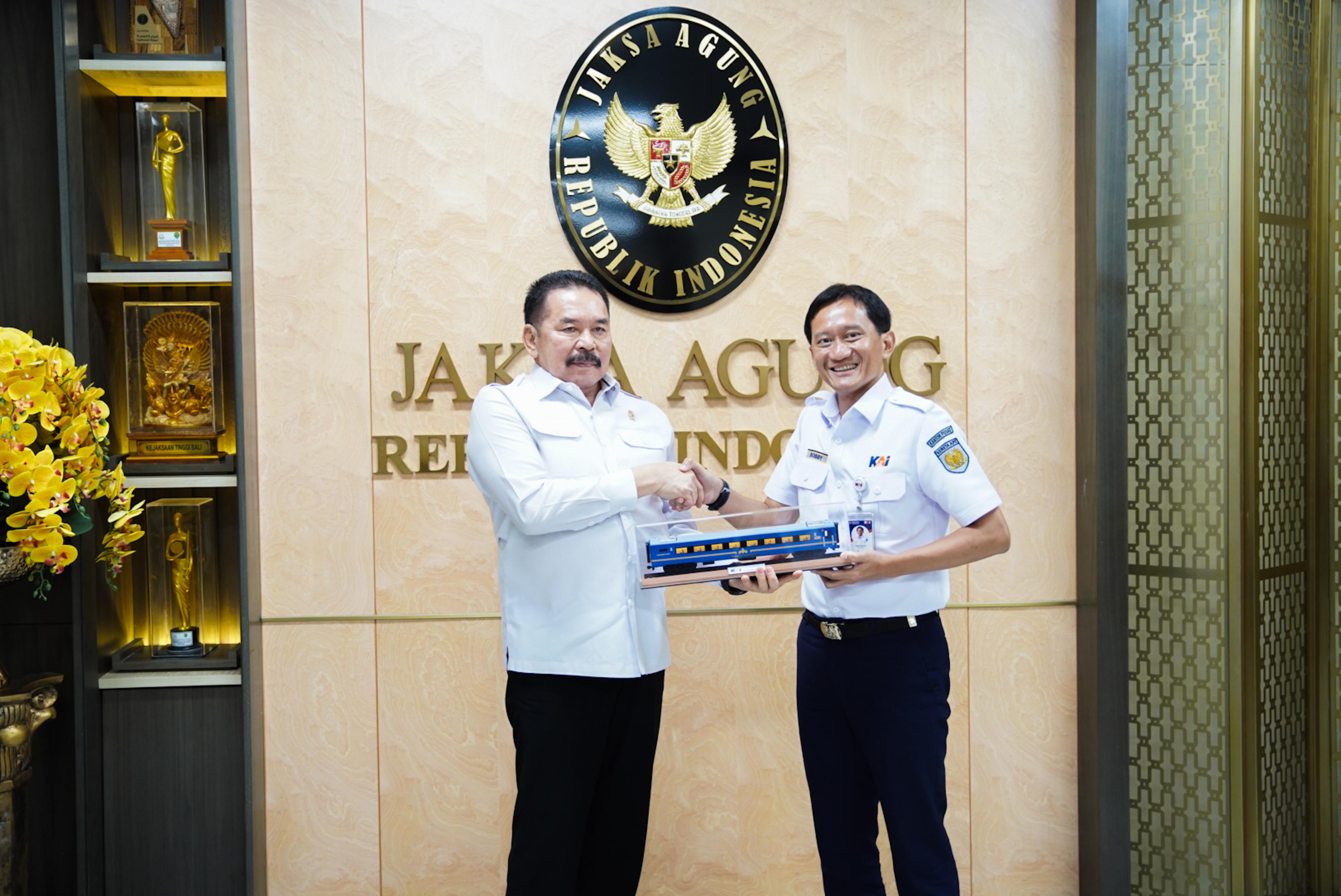
PT Kereta Api Indonesia (Persero) continues to strengthen synergy with various stakeholders to support optimisation of asset management and development of railway transportation services for the public. This was reflected in a meeting between KAI Chief Executive Officer Bobby Rasyidin and Indonesia’s Attorney General ST Burhanuddin at the Attorney General’s Office on Monday (9 March).
The meeting discussed strengthening cooperation between the two institutions, particularly regarding optimal utilisation and management of KAI assets, as well as support for various railway service development programmes.
In the discussion, the Attorney General’s Office expressed support for strategic measures undertaken by KAI to improve corporate asset governance, including through consolidation or separation of state-owned assets and KAI-owned assets, and improvements to railway transportation service quality.
KAI Chief Executive Officer Bobby Rasyidin stated that synergy between KAI and the Attorney General’s Office is an important step to strengthen corporate governance whilst supporting sustainable railway service development.
“This cooperation represents synergy between government agencies and state-owned enterprises to mutually support the implementation of their respective duties and functions. With support from the Attorney General’s Office, KAI can be increasingly effective in managing corporate assets and ensuring that each corporate development step is implemented in accordance with applicable legal provisions,” said Bobby.
Both parties also discussed opportunities for railway sector development, including plans to reactivate railway lines that previously operated to expand connectivity and enhance public transportation services.
KAI and the Attorney General’s Office have also agreed to extend their previously established cooperation with broader scope. The cooperation includes guidance in asset management, legal assistance in civil and state administrative law matters, and provision of legal opinions to KAI to support corporate and organisational development.
Bobby added that this collaboration is also expected to increase the effectiveness of coordination between the two institutions and provide added value in managing state assets and improving railway transportation services for the public. Through this cooperation, KAI is optimistic about continuing to provide reliable, safe, and sustainable transportation services whilst supporting the development of the national railway sector.