
Kadin: US$ 10 Billion Investment Commitment to America is a Two-Way Scheme
Indonesia’s Chamber of Commerce and Industry (Kadin) has stated that Indonesia’s investment commitment to the United States (US) valued at a minimum of US$ 10 billion or Rp 168.2 trillion (at the exchange rate of Rp16,830 per US$) under the Agreement on Reciprocal Trade (ART) scheme represents part of a two-way investment framework, not an obligation to import specific commodities.
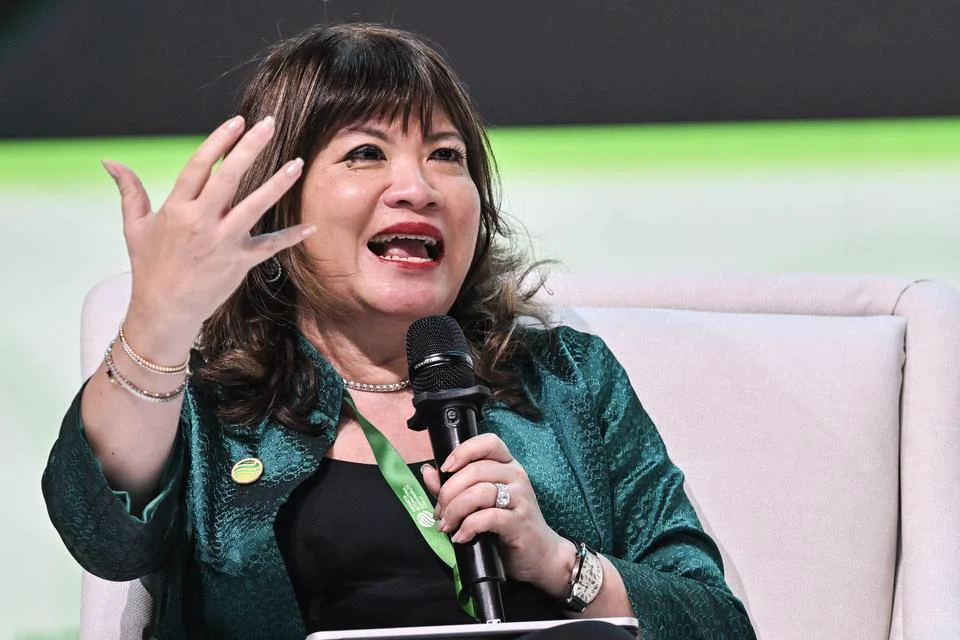
Shinta Kamdani, Vice Chair of Kadin Indonesia’s Coordination Division for Human Development, Culture and Sustainable Development, said the business community is currently coordinating intensively with the government regarding various commitments under the ART, including facilitating outbound investment to the US.
“This includes facilitating outbound investment to the United States,” Shinta told Katadata.co.id on Saturday (28 February).
According to her, it is important for business actors to ensure that each international commitment is translated into measurable terms and remains aligned with national interests and competitiveness.
Article 6.1 of the ART states that Indonesia will facilitate US investment within the country. Meanwhile, Annex III Article 6.2 stipulates that Indonesia will endeavour to facilitate direct investment to the US with a minimum indicative value of US$ 10 billion. This investment includes engineering, procurement and construction (EPC) projects, blue ammonia development, and other energy initiatives.
“This means that what needs to be understood is the two-way investment facilitation framework,” she said.
Not a Coal Import Obligation
Responding to whether the commitment means Indonesia will import coal from the US amid domestic production adjustments, Shinta emphasised there is no purchase obligation in the agreement.
She explained that what is stated in the Annex is blue ammonia development, EPC projects, and other energy initiatives. The scheme is an investment and business collaboration option, not an obligation to purchase specific commodities.
“The agreement speaks about facilitating outbound investment. Investment can take the form of equity participation, project financing, joint ventures, or EPC engagement. The correct framing is strategic investment positioning, not substitution of domestic production,” she said.
From the business community’s perspective, the scheme is seen as potentially offering opportunities, but with several caveats. As its nature is merely to “endeavour to facilitate” or encourage and facilitate.
“Investment realisation will heavily depend on project viability (bankability), financing structure, and risk-return profile,” Shinta said.
Access to projects in the US, particularly in the clean energy sector such as blue ammonia, is considered to be able to open opportunities for diversifying the investment portfolio of Indonesian companies, accessing technology, and infrastructure that meets ESG standards.
Nevertheless, Shinta emphasised that investment decisions will still be calculated prudently based on commercial viability.
Several sectors that could potentially be affected include EPC, energy, petrochemicals, infrastructure, and supply chain services, particularly companies with exposure to global financing.
On the other hand, the possible impact on the domestic energy industry needs to be carefully considered if capital expenditure reallocation occurs, especially for sectors with limited liquidity for overseas expansion.
“The impact will largely depend on each business actor’s individual business decision,” she said.
Regarding investment actors, Shinta emphasised there is no restriction in the ART that overseas investment can only be carried out by state-owned enterprises. Overseas investment can involve state-owned enterprises, domestic private sector, consortiums, or sovereign investment platforms.