
Kadin pushes for cargo handling regulations that support investment climate
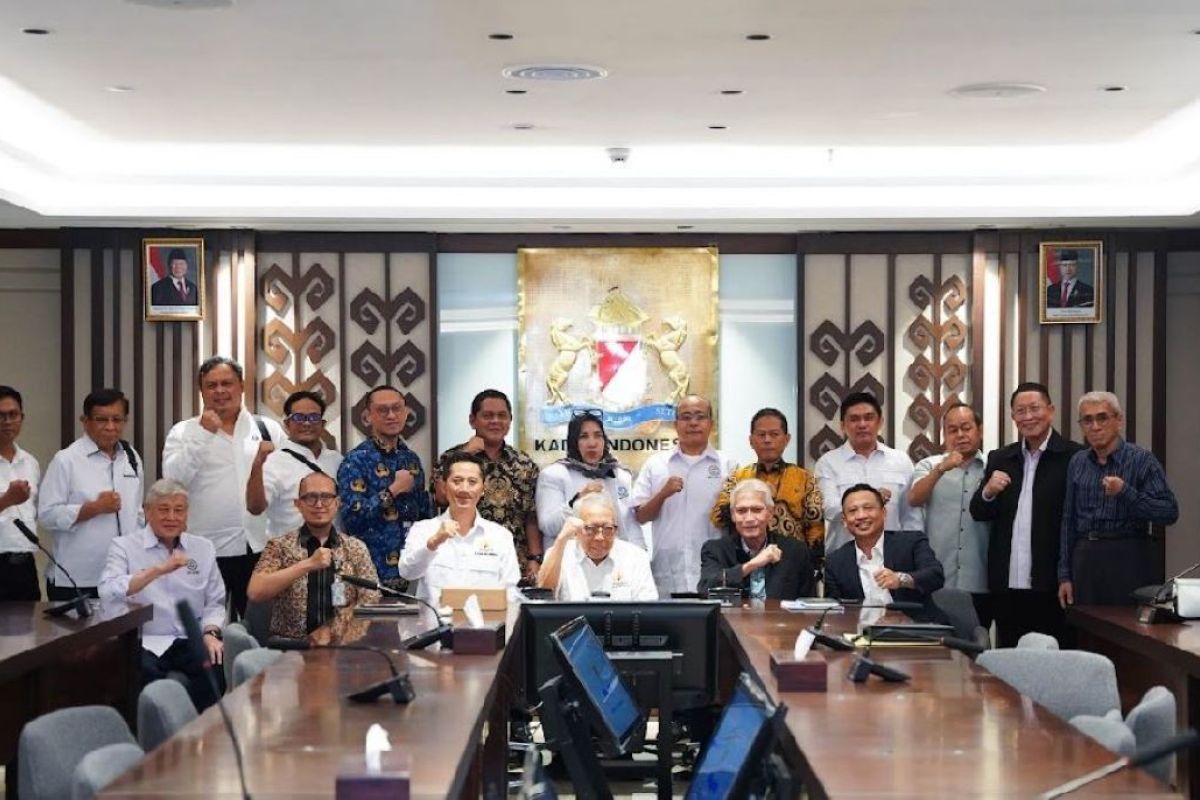
Jakarta - The Indonesian Chamber of Commerce and Industry (Kadin) is pressing for cargo handling regulations that support the investment climate for the business sector.
Andi Yuslim Patawari, Deputy Chairman General (WKU) of the Kalimantan Region of Kadin Indonesia, said Kadin is working to maintain good relations with all parties to create a conducive investment climate for businesses.
“With clear regulations and rules in place, we want business operators to feel comfortable in carrying out their business activities,” Andi said in a statement in Jakarta on Friday.
Kadin organised a Focus Group Discussion (FGD) regarding the implementation of Ship to Ship (STS) Transfer in Indonesian port areas. This FGD was held following various developments in cargo handling operations, particularly at STS transfer locations in Indonesian seaports.
These developments are seen as affecting port operations, vessel activities, stakeholders, labour, and business competition aspects.
Through this forum, Kadin Indonesia brought together relevant ministries and agencies as well as business operators to discuss various issues that have emerged in the field. The discussion is expected to provide a more comprehensive understanding and formulate constructive policy measures.
Andi said Kadin brought together various parties related to the regulation of STS vessel cargo handling activities. Various field problems can be resolved through dialogue and joint discussion between stakeholders. Furthermore, Kadin also emphasised the importance of efforts to reduce logistics costs so that Indonesia can compete in supply chain provision, particularly in the energy sector such as the coal industry in the Kalimantan region.
Meanwhile, Assistant Deputy for Organisation and Legal Entities of the Ministry of Cooperatives Tri Aditya Putra said the ministry continues to encourage improved governance of cooperatives that carry out cargo handling labour activities at ports.
He considered the discussion involving various parties to be very important so that the government obtains comprehensive input from all stakeholders.
“Going forward, discussions like this also need to involve all parties, both stakeholders, field implementers, and other related parties, so that we can obtain comprehensive input and provide the best solutions for all parties,” he said.
From a labour perspective, Director of Labour Supervision Systems Development of the Ministry of Labour Yuli Adiratna emphasised the importance of ensuring protection for cargo handling workers at ports.
According to him, such protection can be realised through improved worker competency, workplace safety assurance, and certainty regarding wages and working hours.
“How to ensure that every worker engaged in cargo handling activities has adequate competency and receives sufficient protection, both from workplace safety, wage, and working hour and rest time management aspects,” said Yuli Adiratna.
She added that labour protection is important not only for workers but also for the sustainability of the port sector business, which opens up many employment opportunities.
Meanwhile, Chairman General of the Indonesian Cargo Handling Association (APBMI) Juswandi Kristanto considered cargo handling activities must be carried out efficiently so that vessel docking time at ports can be reduced.
“Cargo handling must be carried out as efficiently as possible with the right timing so that it can reduce vessel docking time. The longer a vessel stays at the port, the higher the costs incurred, and that will increase our logistics costs,” said Juswandi Kristanto.
He added that cargo handling companies together with cargo handling labour are the spearhead in these activities. Therefore, the sector hopes for improved work quality and the creation of healthy business competition without monopolistic practices.