
Kadin affirms readiness to support priority programmes to boost the economy
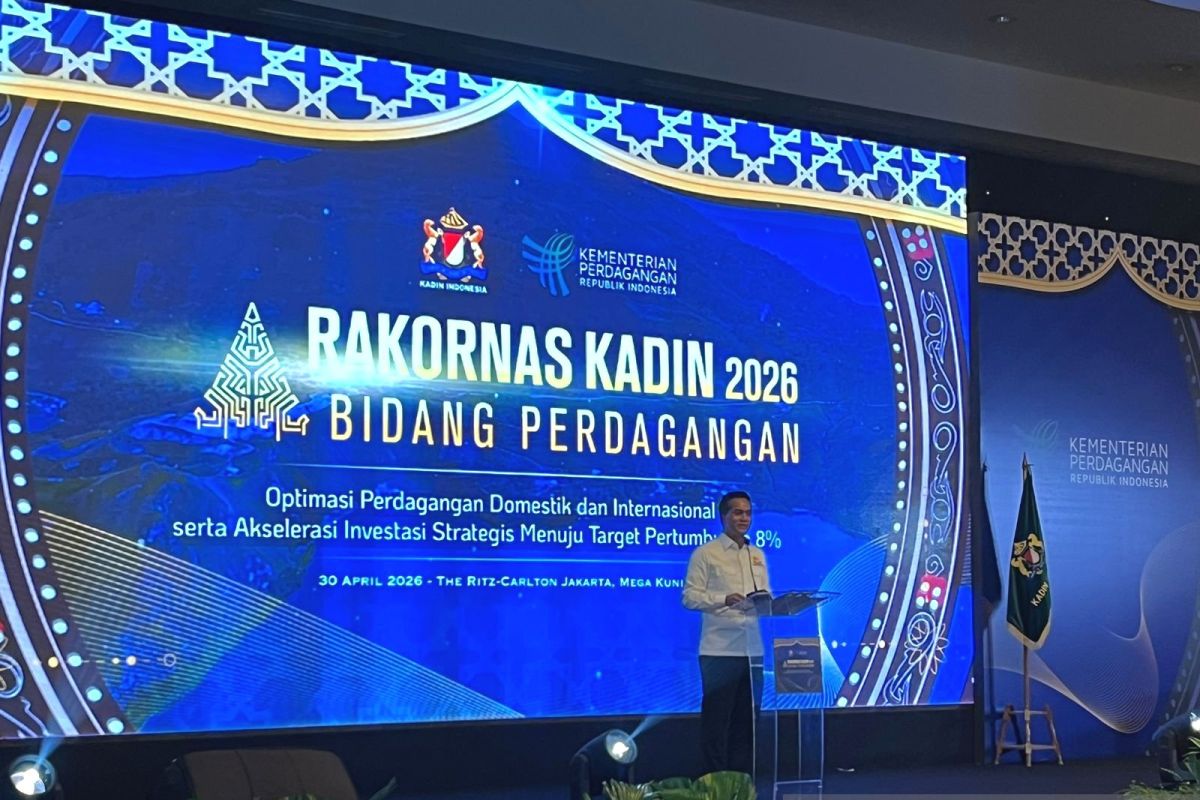
Before the Middle East war occurred, we at Kadin were certainly focused on becoming a strategic partner to the government in implementing the programmes that have already been planned. Jakarta (ANTARA) - The Indonesian Chamber of Commerce and Industry (Kadin) has affirmed its readiness to support various government priority programmes to drive national economic growth amid the challenges of global dynamics. Kadin Indonesia General Chairman Anindya Bakrie, at the Kadin National Coordination Meeting for the Trade Sector in Jakarta on Thursday, stated that his organisation is committed to being a strategic partner to the government in executing priority programmes, such as the Free Nutritious Meals (MBG) programme. He said that in this programme, Kadin has contributed to providing around 1,000 units of Nutrition Fulfilment Service Units (SPPG) kitchens out of the national target of 30,000 units. In addition, Kadin is also ready to support the free healthcare programme by promoting the strengthening of the national health industry, as well as playing a role in developing the housing sector, particularly the construction of people’s housing. Furthermore, he emphasised the importance of strengthening the migrant workforce sector as one of the sources of state foreign exchange that can support the economy. In efforts to drive economic growth, Kadin also highlighted several main focuses, namely strengthening domestic trade, increasing exports, and encouraging investment. In the domestic trade sector, Kadin is pushing for synergy between central and regional governments to maintain economic momentum. On the investment side, Anindya assessed that both large and small investments play an important role in creating broad economic impacts. Moreover, amid challenging economic conditions, Kadin also spotlighted the need for strategic steps to support the business world, including MSME actors who are considered the most affected. Therefore, Kadin proposes several policy relaxations such as easier credit access, as well as support for export activities to maintain business continuity. “Because in fact, from crisis to crisis, we Alhamdulillah survive and get better,” he said.