
Judicial Commission reminds applicants for Supreme Court and ad hoc judges to complete documents and personal data
The Judicial Commission (KY) has reminded applicants for the selection of Supreme Court judges, ad hoc human rights judges, and ad hoc corruption offence (tipikor) judges at the Supreme Court (MA) to promptly complete their documents and personal data before the registration deadline.
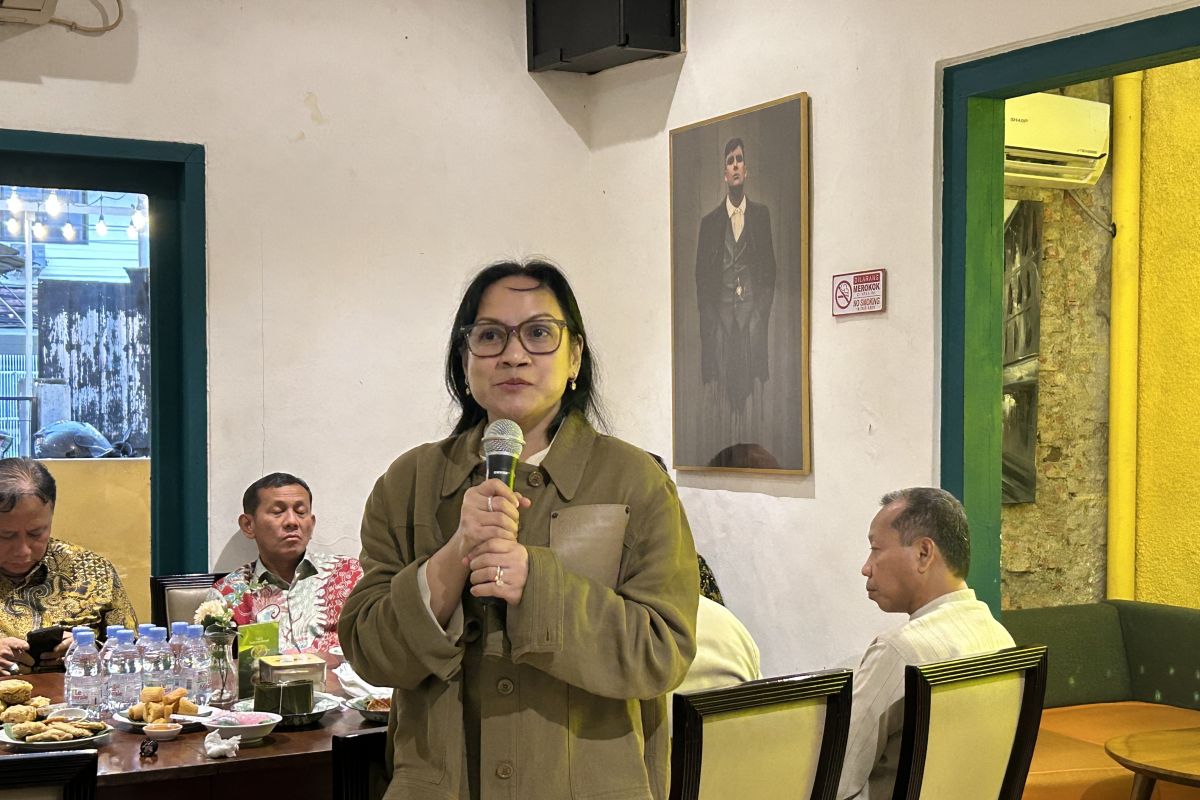
Judicial Commission member and spokesperson Anita Kadir stated in Jakarta on Wednesday that the completion of documents is to be done through the official KY recruitment website.
“KY reminds applicants to promptly complete their documents via the available recruitment website,” she said.
She explained that since online registrations opened on 26 March until Wednesday at 10:30 WIB, there have been 200 registrants for Supreme Court judges, 73 for ad hoc human rights judges, and 150 for ad hoc tipikor judges.
Anita emphasised that all required documents must be scanned in PDF format and uploaded by the registration deadline on Thursday (16/4).
She added that this selection is to meet the Supreme Court’s needs, namely 11 Supreme Court judges, two ad hoc human rights judges, and one ad hoc tipikor judge.
The need for Supreme Court judges consists of two from the civil chamber, four from the criminal chamber, two from the religious chamber, and three from the state administrative chamber specialising in tax.
KY Chairman Abdul Chair Ramadhan stated that the selection process for Supreme Court judges and ad hoc judges is mandated by the 1945 Constitution.
The KY has the authority to open registrations, conduct selections, determine candidates, and propose names to the House of Representatives (DPR RI) in accordance with applicable laws and regulations.
Abdul added that the current need for Supreme Court judges and ad hoc judges is increasingly important to address various challenges, including regulatory changes, judicial corruption practices, and technological developments.
“These challenges must be addressed to realise an independent and integrity-driven judiciary,” he said.