
Judge States Chromebook Corruption in Nadiem Era Impacts Education Quality
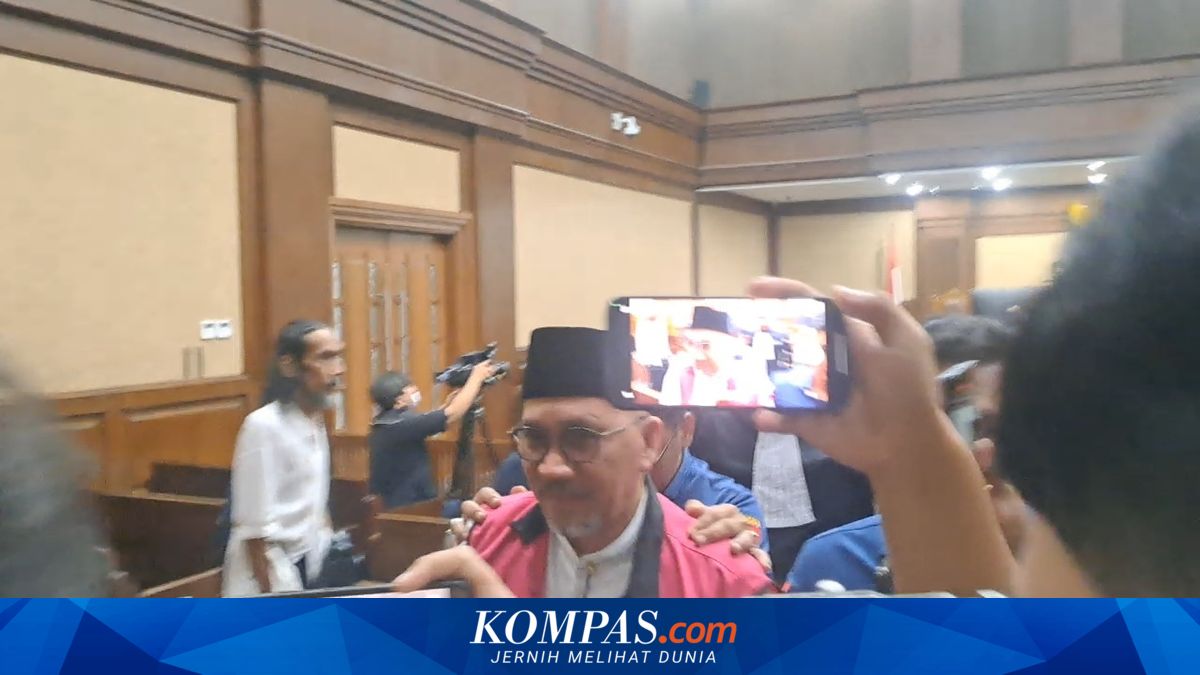
JAKARTA - The judge delivered aggravating considerations in the verdict for the defendant in the Chromebook case, Mulyatsyah, stating that the corruption in procuring the laptops impacted the education of Indonesian children. “The defendant’s actions were carried out in the education sector, which directly affects the quality of education for Indonesian children,” the judge explained during the trial at the Central Jakarta Corruption Court on Thursday (30/4/2026). The Central Jakarta Corruption Court (Tipikor) highlighted the serious impact on the education sector when sentencing Mulyatsyah, who served as Director of SMP at the Ministry of Education, Culture, Research, and Technology (Kemendikbudristek) from 2020 to 2021 during Minister Nadiem Makarim’s era, to 4 years and 6 months in prison. Additionally, the defendant was said to have actively received several sums of money for personal gain and distributed them to superiors. The judge revealed that the defendant was aware of the ongoing procurement process but still took an active role by issuing two Regulations as the Budget User Authoriser that directed the procurement towards Chromebooks. “The defendant clearly gained financial benefits from the said procurement chain through receiving funds amounting to Rp 3.33 billion,” the judge stated. Nevertheless, there were also mitigating factors, including that the defendant had never been previously convicted, had a good track record as a Civil Servant, and was cooperative during the trial process. Furthermore, Rp 500 million has been seized to be accounted for as restitution payment. In the verdict, the judges stated that the defendant was proven guilty of committing corruption jointly. “The defendant is sentenced to imprisonment for 4 years and 6 months and a fine of Rp 500 million,” the panel of judges declared. If the fine is not paid, it shall be replaced with imprisonment for 120 days. Additionally, the defendant is required to pay restitution of Rp 2.28 billion. If the restitution is not paid within one month after the verdict gains legal force, the prosecutor may seize and auction the defendant’s assets. “If insufficient, it shall be replaced with imprisonment for 2 years,” the judge explained. The panel of judges also determined that evidence in the form of documents is partially used in another case under the name Nadiem Anwar Makarim, which is still in the trial process. Meanwhile, the request for the return of the defendant’s electronic evidence could not be granted as it is deemed to still potentially contain digital data needed in other cases. The panel referred to Article 222 paragraph (1) of the Criminal Procedure Code (KUHAP) as well as Article 3 in conjunction with Article 18 of Law No. 31 of 1999 on the Eradication of Criminal Acts of Corruption as amended by Law No. 20 of 2001.