
JPPI: Sexual Harassment Case at FHUI Serves as Alarm for Indonesia's Higher Education
Jakarta (ANTARA) - The Indonesian Education Monitoring Network (JPPI) views the sexual harassment case at the University of Indonesia’s Faculty of Law (FHUI) as an alarm for higher education in Indonesia.
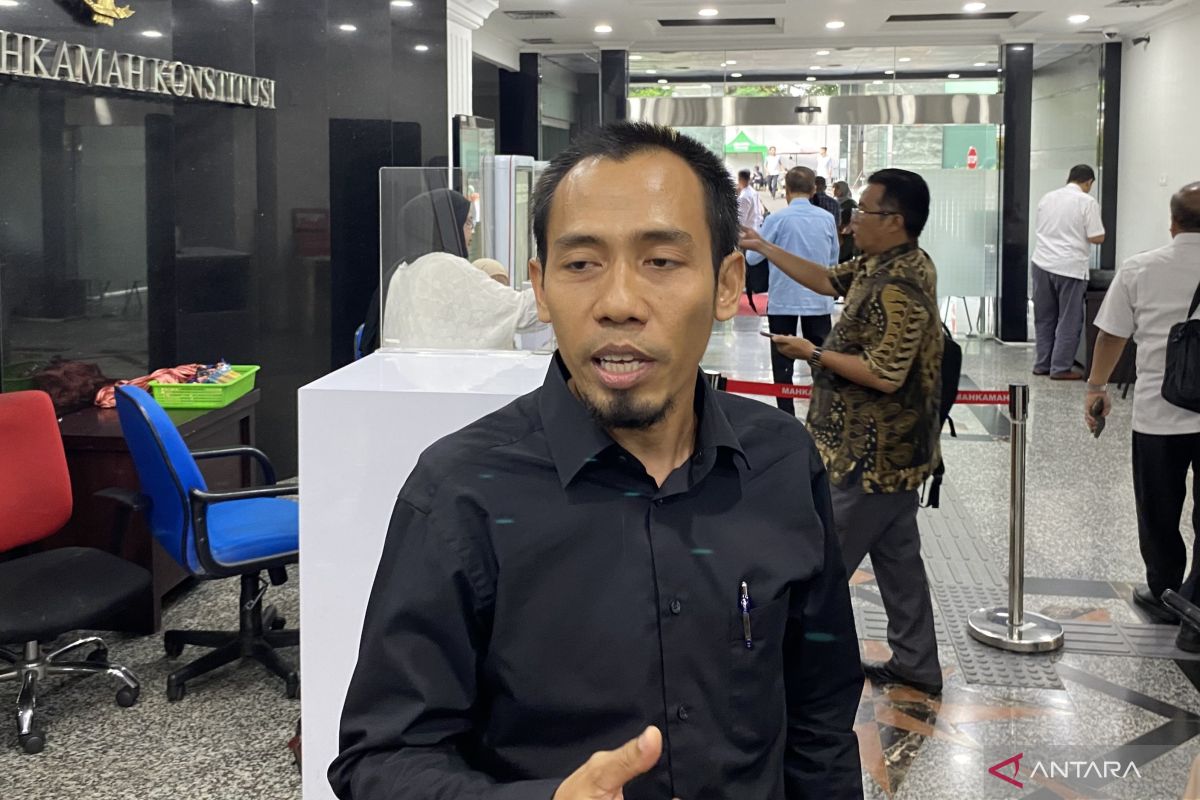
“The case at FHUI serves as a loud alarm. Legal violations are occurring precisely where people study law. This is not merely irony, but a serious failure in building a safe and integrity-driven academic culture,” said JPPI National Coordinator Ubaid Matraji in a statement in Jakarta on Tuesday.
Ubaid believes that academic spaces should uphold ethics and law. According to him, the FHUI case reveals a serious paradox, where the Faculty of Law should be a centre for learning law and justice.
Overall, his side has recorded 233 cases of violence in educational environments in the first quarter of this year (January-March 2026).
“Nearly half of the cases are sexual violence. This indicates a serious failure in protecting learners from the most basic crimes against the body and human dignity,” he stated.
Ubaid considers sexual violence incidents in education not as isolated cases, but as a systemic pattern.
Therefore, JPPI calls on the government, specifically the Ministry of Basic and Secondary Education (Kemendikdasmen), the Ministry of Higher Education, Science, and Technology (Kemdiktisaintek), and the Ministry of Religious Affairs (Kemenag), as policymakers in education, to immediately declare an emergency status on violence in the education sector and make it a national priority.
Furthermore, to strictly punish perpetrators without compromise, whether from educators and education staff, fellow students, or outsiders, and to build a safe and inclusive culture in all educational institutions, not just as formal policies or regulations on paper.
“Without serious and systemic steps, violence will continue to recur and damage the future of the young generation. Education must not become a frightening space. It should return to being the safest place to grow, learn, and maintain dignity,” said Ubaid Matraji.