
Joint Forest Resource Management Secretariat Urges Corporations to Beware of Forest and Land Fire Threats in Jambi
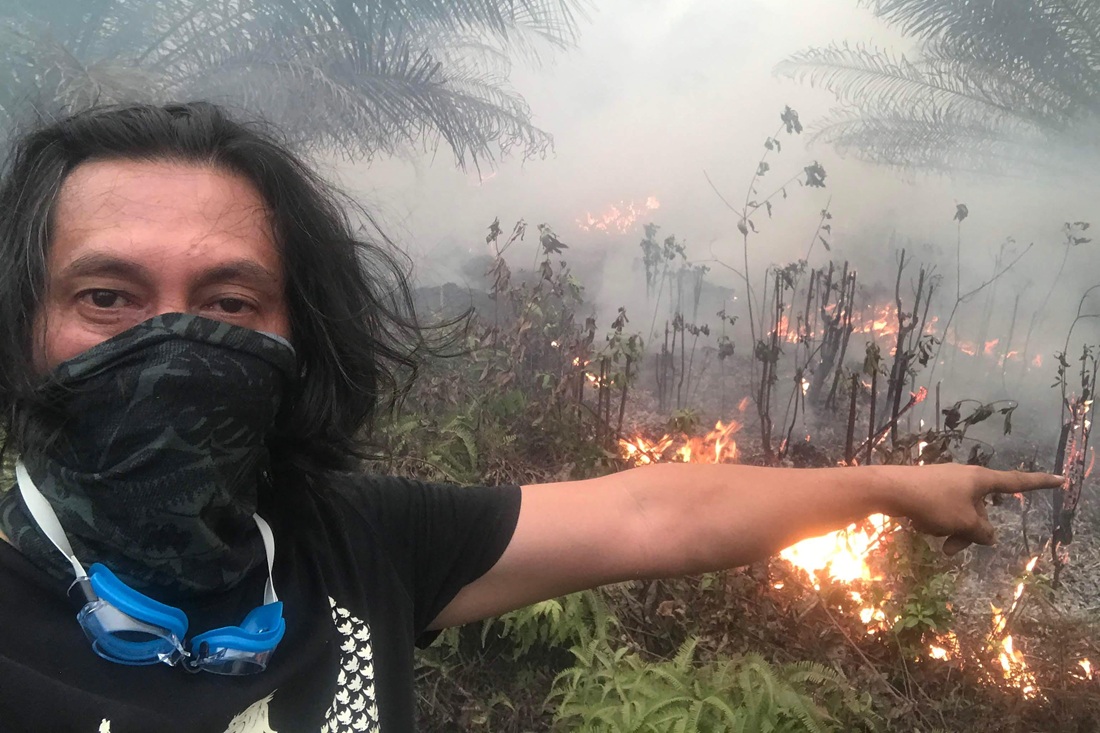
In anticipation of the 2026 dry season predicted to arrive earlier, the Joint Forest Resource Management Secretariat (Sekber PSDH) of Jambi Province is urging all stakeholders to increase vigilance against the threat of forest and land fires (karhutla).
According to the Chairman of Sekber PSDH Jambi, Feri Irawan, in line with information from the Meteorology, Climatology, and Geophysics Agency (BMKG), the 2026 dry season in Jambi is expected to emerge gradually in April.
“This condition demands extra preparedness. Considering the historical trend of karhutla in Jambi, which is fluctuating but still threatens ecosystem and regional economic stability. Moreover, 2026 is predicted to experience an Extreme El Niño phenomenon called Godzilla El Niño,” stated the chairman of the joint secretariat, which comprises elements from government, NGOs (non-governmental organisations), private sector players in forestry, and higher education institutions.
It is said that the threat of Godzilla El Niño, akin to the name of the film, is a phenomenon truly related to extreme weather that is predicted to have a major impact in Indonesia.
The Sekber PSDH Jambi is reminding that several critical points must be guarded during the 2026 dry season, including the threat of peatland drought concentrated in Muarojambi Regency, East Tanjung Jabung Regency, and West Tanjung Jabung Regency. “The drop in groundwater levels in peatlands is highly susceptible to burning and will be difficult to extinguish,” explained Feri.
To prevent the recurrence of ecological disasters from karhutla in Jambi, Sekber PSDH is pushing for collaborative steps. These include the local government immediately activating Karhutla Emergency Alert status and strengthening coordination between the Regional Disaster Management Agency (BPBD), TNI, Police, and Manggala Agni for early detection (ground checks) whenever hotspots appear.
Meanwhile, corporations are expected to ensure that karhutla prevention infrastructure (mitigation) such as canal blocking, reservoirs, and monitoring towers function optimally. “Companies are fully responsible for fire points in their concession areas,” Feri emphasised.
Meanwhile, the public is asked to empower Community Fire Care Groups (MPA) at the village level through training and intensive prevention efforts. This includes actively going out to urge communities not to clear land by burning.
“Prevention is far cheaper than extinguishing. We must act now before our peatlands lose their moisture,” Feri Irawan stressed.
In response to the 2026 dry season threat, the Chairman of the Jambi Regional Committee of the Indonesian Forest Entrepreneurs Association (APHI), Taufiqurachman, has instructed all APHI members in Jambi to conduct internal audits of fire control facilities and infrastructure.
“Our focus is no longer just on extinguishing, but ensuring early detection through monitoring towers and ground patrols operating 24 hours. The private sector cannot work alone. We are strengthening synergy with local communities so there are economic incentives for those who keep their land green without burning,” said Taufiqurrahman.
Sekber PSDH Jambi notes that the dynamics of karhutla over the past three years provide valuable lessons for the 2026 prevention strategy.
In 2023, forest and land fires in Jambi were recorded at around 1,055 hectares. The majority were community lands and scrub. Meanwhile, in 2024, there was a significant surge. Based on data from the Indonesian Conservation Community (KKI) Warsi, the area of karhutla in Jambi exceeded 6,797 hectares. Ironically, more than half of it was in company concession areas (palm oil plantations and industrial plantation forests). In 2025, it decreased, with the burned area around 448 hectares during the January–August 2025 period.