
JK: Zakat and waqf are equally important; Muslim community must strengthen asset base
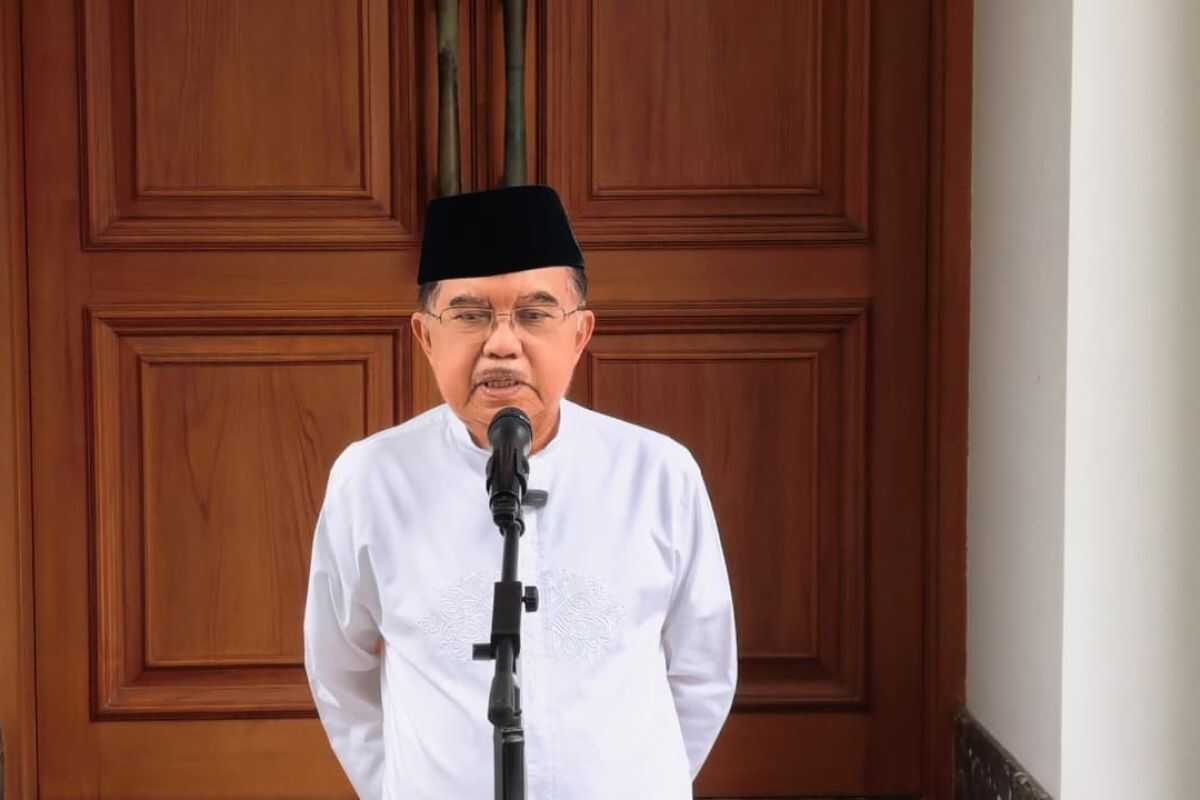
In Indonesia, zakat is important and obligatory. Waqf contributions and other donations are also operational. Both function in parallel.
Jakarta (ANTARA) – Jusuf Kalla (JK), Chairman of the Indonesian Mosque Council (DMI), has emphasised that zakat, waqf, and taxation all play important roles in Indonesia’s development and public welfare.
According to him, zakat is an obligation for Muslims and holds a strategic position in supporting the Muslim community’s economy. Nevertheless, he stressed that waqf and public donations are equally important in developing various religious and educational facilities.
“In Indonesia, zakat is important and obligatory. Waqf donations and others are also running. Both function,” said JK in a statement in Jakarta on Sunday.
He noted that there are approximately 800,000 mosques in Indonesia, most of which were constructed through waqf and public donations, not solely through zakat funds.
Beyond mosques, numerous madrasahs, schools, and educational institutions have also been established through waqf contributions and community donations.
“We have hundreds of thousands of mosques. These were not built with zakat, but with waqf and donations. Similarly, many madrasahs and schools,” he said.
Furthermore, JK compared the zakat mechanism with taxation. He explained that taxes are generally calculated based on profit or income, with certain rates such as 20 to 25 per cent of profit.
Meanwhile, zakat is calculated at 2.5 per cent of total assets owned.
“If tax is from profit, zakat is 2.5 per cent from assets. So, the impact can be significant because it is calculated from total assets,” he explained.
He provided an example of someone who owns a large asset base but generates relatively small profits. According to JK, zakat calculations remain based on the value of those assets.
On this occasion, he also encouraged Muslim communities to increase their asset ownership so that contributions to zakat become larger and have broader positive impacts on public welfare.
“Many assets are owned by non-Muslims. Therefore, we Muslims must strengthen our capabilities and asset ownership,” he said.
JK expressed hope that debates regarding zakat and taxation will not develop wildly among the public, but rather be focused on efforts to strengthen the Muslim community’s economy through increased asset ownership and optimised management of zakat and waqf.