
JK Proposes Government Reduce Fuel Subsidies to Curb Deficit and Avoid Debt
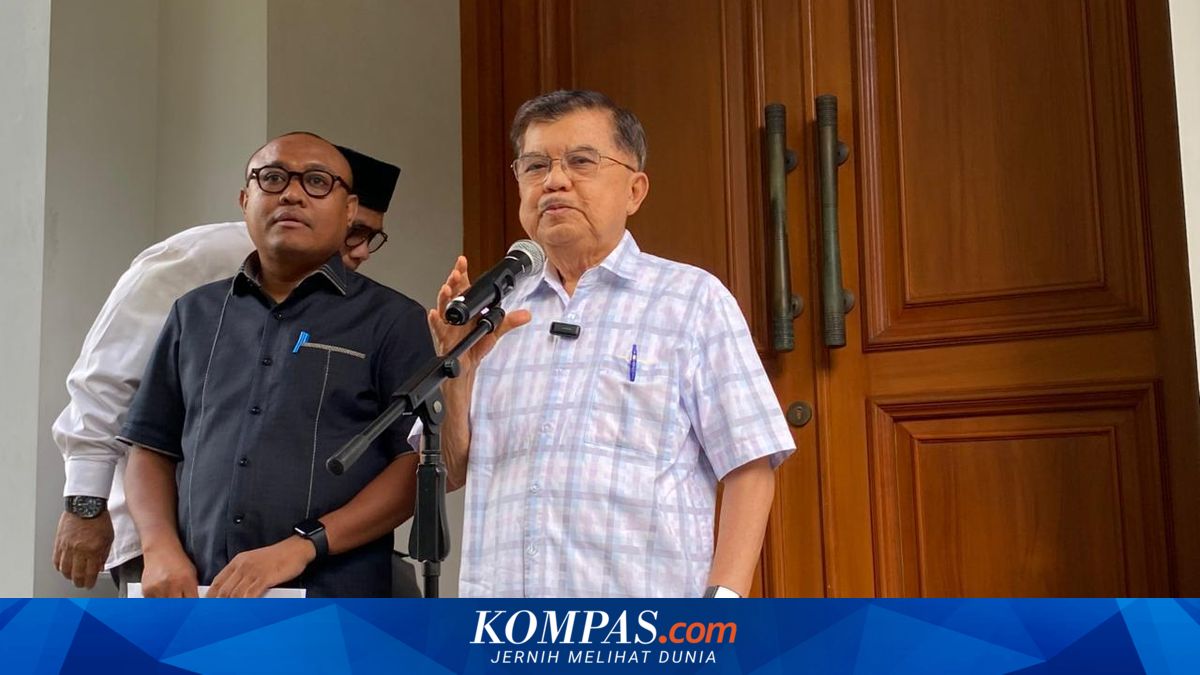
JAKARTA - Former 10th and 12th Vice President Jusuf Kalla has proposed that the government consider reducing the burden of energy subsidies, including for petroleum fuels (BBM), amid the rise in global oil prices due to global conflicts. The reason is that swelling energy subsidies will increase the state budget deficit and pile up debt. “We request that consideration be given to reducing the deficit and debt by cutting subsidies. Because reducing subsidies means raising prices,” said Jusuf Kalla at his residence in Kebayoran Baru, South Jakarta, on Sunday (5/4/2026). He believes that maintaining BBM prices as they were before the conflict between Iran and the US-Israel would prevent the public from saving. “It will (create) traffic jams because BBM is cheap. Besides that, subsidies will keep increasing. Well, if they keep increasing, then debt will rise continuously. So that’s why some say don’t raise it. Yes, true, not raising it might be good temporarily, but debt will pile up with large subsidies,” said JK. JK views the rise in debt as more dangerous in the long term. Ultimately, all Indonesian society will feel the impact. On the other hand, JK does not deny that a fuel price increase during adjustments and rationalisation of global oil prices may initially provoke public protests. However, according to JK, this is merely a matter of choice if explained well. “So it’s a choice, this is a matter of choice. From my 20 years of experience, if explained well to the people, they will accept it. In 2005, 2014, there were no demonstrations because we explained it well. Especially since this is an external issue. External means we’re forced, forced because it’s from outside,” explained JK. On the other hand, JK stated that the government’s decision to implement work from home (WFH) does not mean it can solve the problem. WFH might make civil servants (ASN) and private employees bored, so in the end, they will still choose to go out. “If you stay at home for 3 days. If you stay at home for 3 days, you’ll get bored too. You’ll want to go out again, right? If you go out again, you’ll use the car or motorbike again, it’s actually the same,” explained JK. “If (prices) rise, motorbike users will definitely decrease, they’ll definitely stay at home, maybe take public transport, various things. That’s more effective than everyone having to stay at home, but they go out anyway because 3 days is a long weekday,” added JK.