
JK Hopes Economic Stability Can Be Maintained Amid Global Dynamics
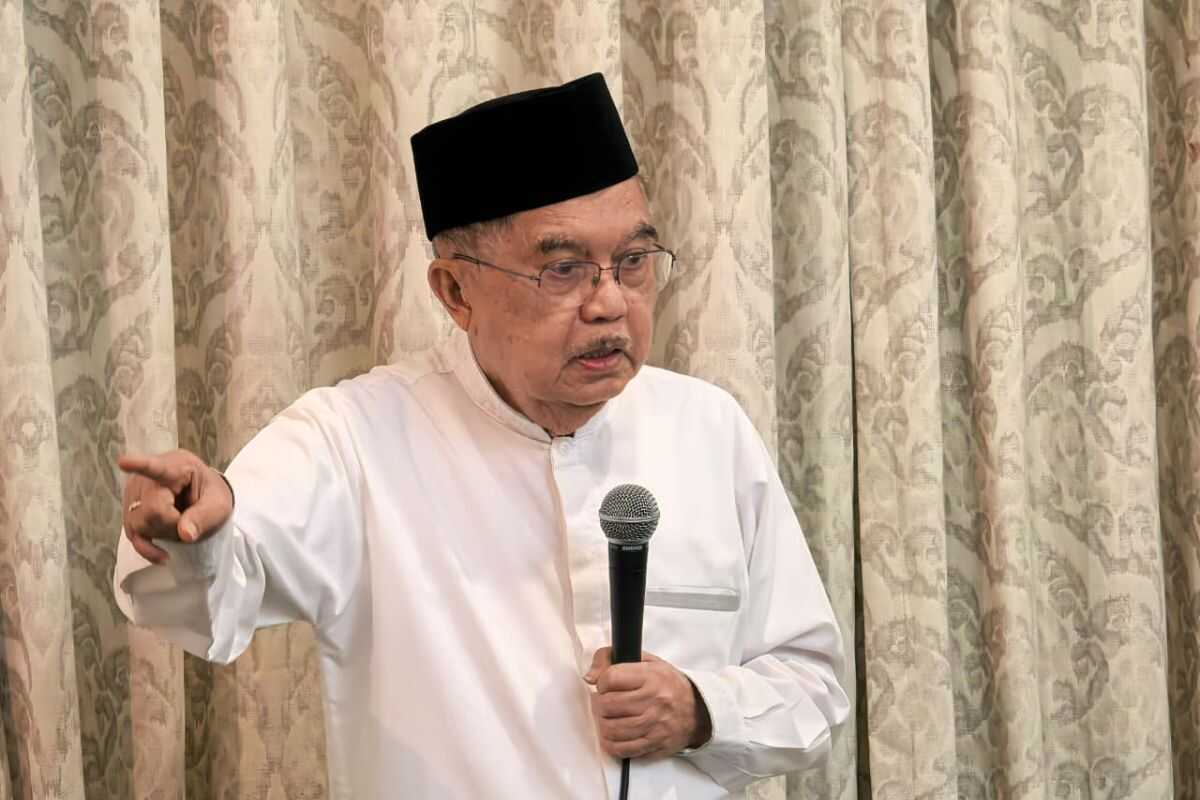
Its impact on Indonesia is immediately felt in the economy. Fuel prices are rising, LPG prices are rising, and that means government subsidies will grow larger.
Jakarta (ANTARA) - Jusuf Kalla, the 10th and 12th Vice Presidents of Indonesia (JK), urged the government to adjust policies precisely so that the national economy remains stable amidst increasingly complex global dynamics.
This was stated by JK after breaking the fast and Tarawih prayers with the leadership and members of the Korps Alumni Himpunan Mahasiswa Islam (KAHMI) at his residence in South Jakarta, on Friday (6 March).
Quoting his remarks on Saturday, JK said the conflict in the Middle East could have significant impacts on Indonesia’s economic conditions, particularly regarding energy prices and the burden of government subsidies.
He said that the escalation of international conflicts would trigger rises in fuel oil (BBM) prices and LPG, ultimately increasing the burden of state subsidies.
“Its impact on Indonesia is immediately felt in the economy. Fuel prices are rising, LPG prices are rising, and that means government subsidies will be larger,” he said.
He also warned that prolonged conflicts could disrupt national energy supplies. In his view, Indonesia’s stocks of BBM are relatively limited and thus must be anticipated by the government.
“If the war lasts a long time, our BBM stocks are limited. That could create difficulties for economic and business activities,” he added.
Beyond economic impacts, JK said Indonesia should have a clear political stance on the international conflict. As a country with the largest Muslim population, Indonesia should demonstrate a firm diplomatic position.
He noted that the government could leverage Indonesia’s role in international forums to push for the resolution of the conflict and peace.
JK also stressed the importance of a comprehensive evaluation of national economic policy, particularly regarding the management of the state budget amid global uncertainty.
He believes the government needs to set priorities for government expenditure to avoid overburdening the state finances.
“There must be a total evaluation of economic policy, particularly in budget usage. The state must determine priorities so that expenditures are not too large,” he said.
He warned that if government spending is not controlled, the risk of pressure on the national economy could rise, even potentially affecting international confidence in Indonesia’s economy.
On that occasion, JK also mentioned several government programmes that require large budgets. He considered that policy should be aligned with government revenues so that important sectors such as education, infrastructure, and the strengthening of the economy’s foundations remain priorities.