
Jet Fuel Crisis Looms, Air Ticket Prices Poised for Sharp Increase
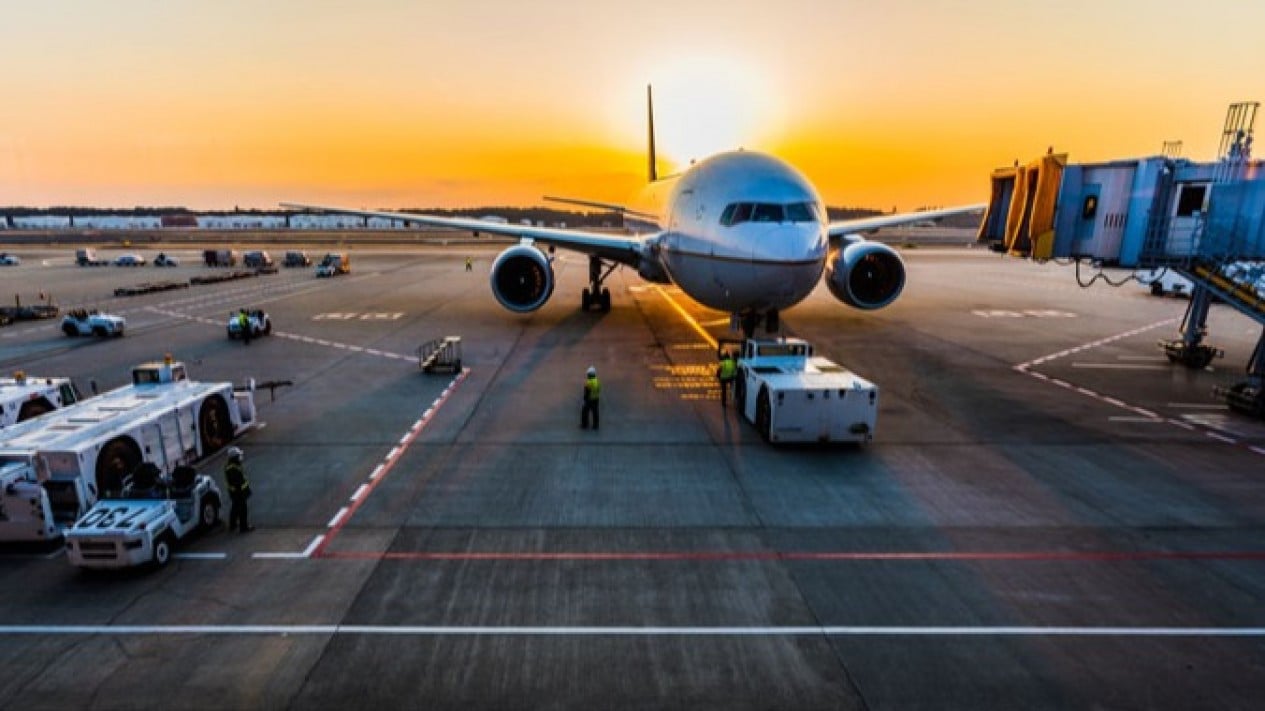
The global availability of jet fuel is beginning to be disrupted by conflicts in the Middle East, which have nearly halted energy distribution routes through the Strait of Hormuz. This situation is triggering serious concerns in the worldwide aviation industry, especially ahead of the summer travel season.
Reports indicate that jet fuel supplies in Europe and Asia are starting to lag behind demand, and if oil flows do not recover soon, flight disruptions are expected to widen within weeks.
Fatih Birol, Executive Director of the International Energy Agency, described this situation as a major threat to the global economy. “Europe may have only about six weeks of jet fuel supply left,” he stated, as quoted from AP News on Friday, 17 April 2026.
Jet fuel is the largest cost component for airlines, accounting for around 30 percent of total operating costs. The rise in oil prices since the conflict began has doubled fuel costs in recent months.
According to Amaar Khan, an aviation energy price analyst at Argus Media, conditions on major trade routes are worsening. “Every day the Strait of Hormuz remains closed, Europe edges closer to a supply shortage,” he said.
He also added that around 40 percent of Europe’s previous jet fuel imports passed through that route, but now almost no flow has gone through it since the conflict erupted.
Pressure on fuel supplies is beginning to be felt by global airlines. Some carriers have already raised additional fees such as baggage charges and fuel surcharges to offset rising operating costs.
Moreover, the aviation industry is also anticipating the possibility of flight cancellations if conditions worsen, especially as travel demand increases during the holiday season.
International aviation organisations have previously warned that ticket prices could continue to rise if the fuel crisis persists.
This jet fuel supply disruption adds to the long list of impacts from global energy conflicts that have previously hit the oil and gas sectors. Dependence on distribution routes like the Strait of Hormuz makes the world’s energy supply chain highly vulnerable to geopolitical tensions.
If the situation does not improve in the coming weeks, the aviation industry is expected to face dual pressures: rising operating costs and potential demand declines due to higher ticket prices.