
Jensen Huang Affirms Nvidia's Commitment to Israel Amid Regional Situation
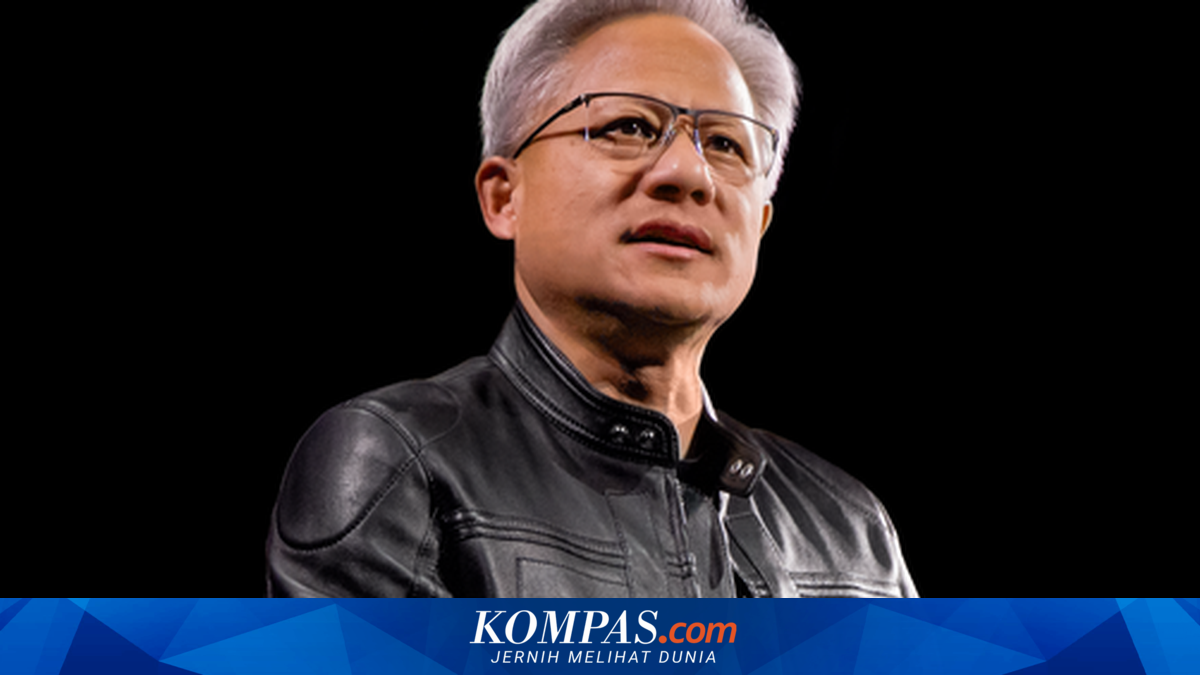
Nvidia CEO Jensen Huang has affirmed his company’s commitment to maintaining operations and investments in Israel amid the ongoing conflict in the region.
This statement was made by Huang on several public occasions, including at the GTC 2026 conference and in interviews with technology media.
Huang noted that Nvidia has around 6,000 employees in Israel along with their families, who are the company’s primary concern amid the uncertain security situation.
“We have 6,000 families in Israel, and I am thinking about them. We are 100 per cent committed to Israel and will be there in the long term,” Huang said, quoted from The Times of India.
The company continues its operations and investments, including the development of artificial intelligence (AI) technology from its research and development (R&D) centres in Israel.
Additionally, Huang highlighted the situation of Nvidia employees in other areas affected by geopolitical tensions, including those with families in Iran.
According to him, the company also pays attention to the psychological condition and safety of all its employees in the region.
Nvidia’s commitment to Israel is inseparable from the country’s strategic role in the company’s technology development.
Since acquiring the Israeli technology company Mellanox in 2019, Nvidia has expanded its presence in the country with several R&D centres in various cities.
Currently, Nvidia’s facilities in Israel contribute to the development of various important components, from AI chips to networking technology and data centres.
Indeed, several technologies in Nvidia’s latest platform are said to have been developed in Israel, making the country one of the company’s main innovation centres outside the United States.
Huang assessed that the company’s long-term commitment in Israel remains unchanged, even amid challenging geopolitical conditions.
Huang’s open statement regarding Israel is considered prominent in the global technology industry, given that many other technology company leaders tend to be cautious or do not openly state their positions on the conflict in the region.
Nevertheless, several other technology executives have still made statements regarding the impact of the conflict on company operations and employee safety in the area.