
Jember Tightens Oversight of MBG, Forms Special Task Force to Monitor SPPG
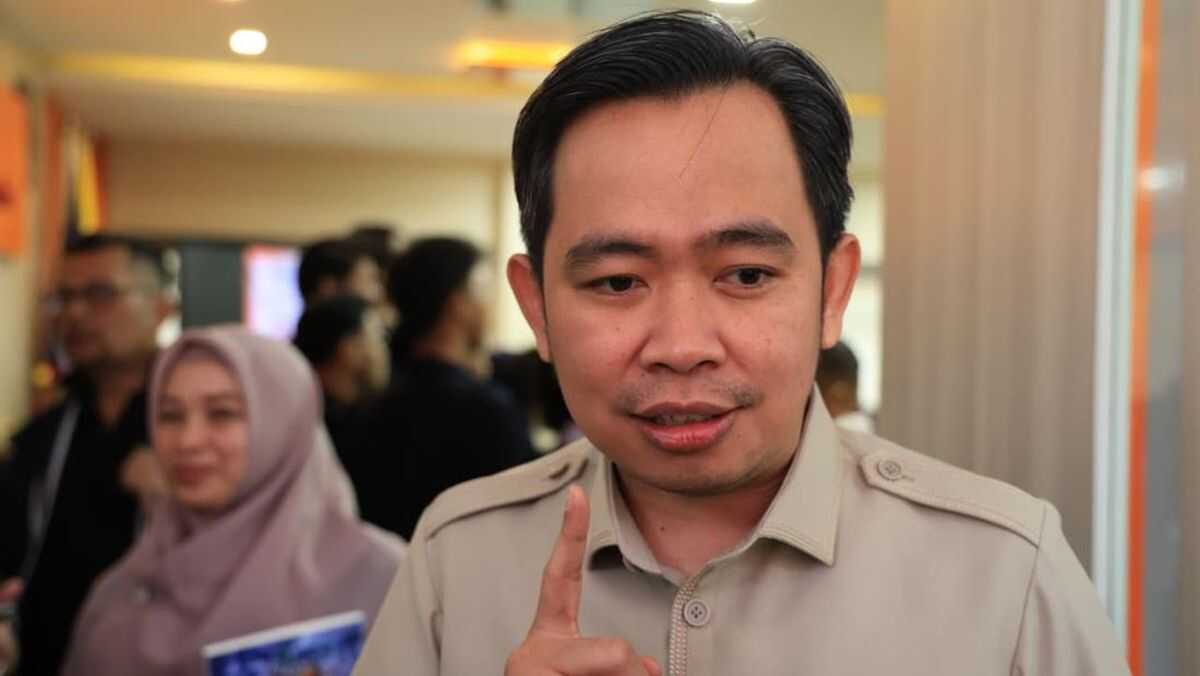
The Regent of Jember, Muhammad Fawait, has formed a special task force to oversee the kitchens of the Nutritional Fulfillment Service Units (SPPG) that provide free nutritious meals (MBG).
This task force, he said, will ensure that the MBG menu from the SPPG kitchens is fit for consumption.
“I will make the task force effective for kitchens that are not serious in providing appropriate menus,” said Fawait in a statement on Thursday (February 26).
He said that regional heads have the right to provide recommendations to the National Nutrition Agency (BGN) to stop the operations of SPPG.
“This is a large-scale program with a broad scope, so there is potential for shortcomings. However, I assure you that the Task Force will monitor closely. Kitchens that do not meet standards or play around with the menu will be dealt with firmly through recommendations to the National Nutrition Agency (BGN),” said Fawait.
The monitoring will be carried out, among other things, through CCTV connected to all SPPG kitchens in Jember Regency.
In addition, he will also gather all heads of SPPG kitchens and require them to report the daily MBG menu that will be provided to students.
“With strict monitoring, SPPG ensures that every child gets adequate protein and balanced nutrition to support intelligence and physical growth,” said Fawait.
In Jember, Fawait said there would be 280 SPPG kitchens operating. This could absorb around 15,000 workers. A number that, according to him, is very large and it is not easy to provide that many jobs.
“We will ensure that workers are not recruited from outside Jember,” he said.
Not to mention the economic turnover of IDR 4 trillion from this MBG program. Almost the same as Jember’s APBD of IDR 4.3 trillion.
Fawait said that MBG is a new pillar for the revival of the people’s economy. MBG can drive the local economy.
“The operation of SPPG absorbs raw materials from farmers, ranchers, and market traders around the kitchen location. This creates significant money circulation at the village level,” said Fawait.