
Jember Revamps Waste Strategy, Targets Factories and Resident Incentive Schemes
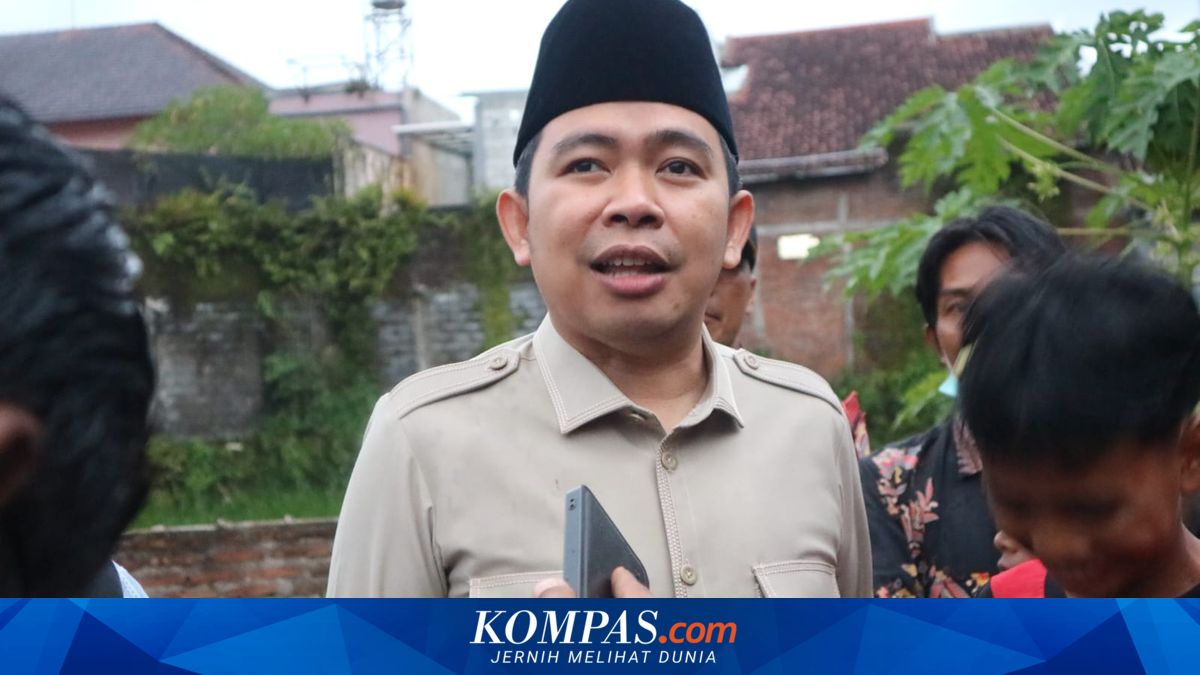
The Jember Regency government is beginning to redesign waste management. This step emerges following pressure from the central government to abandon open dumping practices at the final processing site (TPA). Conditions at the TPA in Jember are also increasingly full. Waste volume continues to rise and accumulate. Jember Regent Muhammad Fawait assured that the policy direction will change. The regency government will shift to a controlled landfill or sanitary landfill system in line with instructions from the Ministry of Environment. He stated that the regency government is preparing various policy options. Implementation is planned through the 2026 Revised Regional Revenue and Expenditure Budget (PAPBD). “We are working hard today to create policy options, including on waste issues, and it will start massively in the 2026 PAPBD,” said Fawait on Monday (30/3/2026). “Our target is for Jember to leap better than today’s years and previous years,” he said. Fawait emphasised that every policy must be based on studies. Hasty steps risk creating new problems. “If today it’s still not maximal, at least Jember already has the determination to realise becoming a clean city again,” he stated. The regency government is studying the construction of integrated waste processing facilities. This option includes the possibility of building a waste processing factory. “We are studying those options, starting from waste factory management, from upstream to downstream,” Fawait explained. The regency government is also opening opportunities for collaboration with State-Owned Enterprises (BUMN). This scheme is directed towards a circular economy model. Initial communications have been conducted with Pegadaian and Bank Tabungan Negara (BTN). The regency government is exploring schemes that directly involve the community. “For example, residents who have housing credit, when they deposit waste it can be calculated to reduce instalments,” he explained.