
Jember MBG Task Force Evaluates 209 Nutrition Service Units to Map Potential Issues
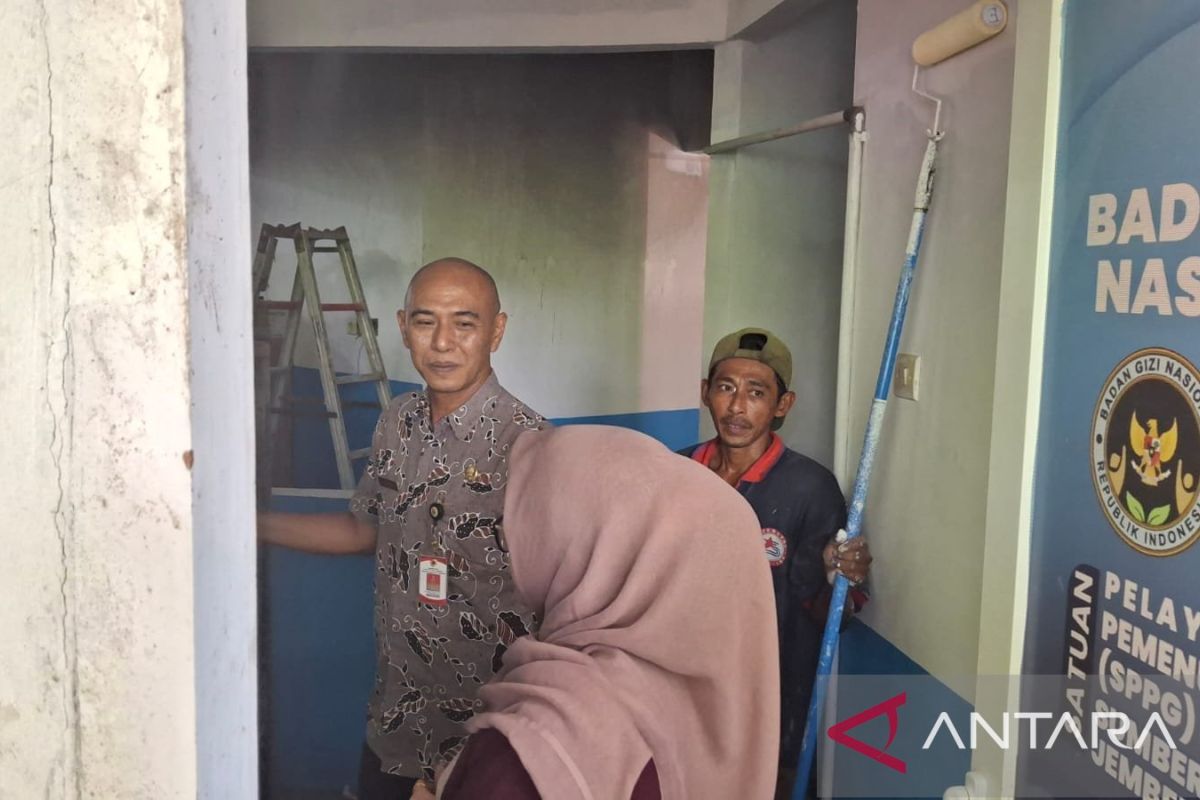
Jember, East Java (ANTARA) – The Jember Free Nutritious Food (MBG) Task Force has evaluated 209 Nutrition Service Units (SPPG) spread across 31 districts in Jember Regency, East Java, to map potential issues and ensure compliance with established operational procedures.
Thirty-one cross-departmental teams, along with district heads, conducted simultaneous supervision at various SPPG sites across Jember on Friday to assess potential issues.
“Teams were deployed to assess the current state of existing MBG kitchens, with all units to be evaluated without exception. No affirmations or exceptions are permitted under any name, and follow-up actions must be strictly implemented,” said Jember MBG Task Force Chief Achmad Imam Fauzi at the regency.
The Jember Regency Government has demonstrated strong commitment to safeguarding the national MBG programme’s quality through proactive measures, conducting simultaneous supervision across all 209 SPPGs in the regency.
Fauzi, who is also the Acting Regent’s Secretary, urged all supervising teams to disregard pressure and intimidation from parties affected by the SPPG evaluations.
“If anyone engages in intimidation from any individual or entity, report it to me,” he said.
He explained that the Jember Regency Government will report all 209 SPPG evaluation results to the National Nutrition Agency (BGN), as it lacks authority to shut down problematic units.
He expressed hope that the coordinated supervision by the MBG Task Force and inter-departmental teams would improve SPPG operations in providing MBG for children, ensuring compliance with established standards.
“The MBG policy is beneficial, so it must not be undermined by non-compliant kitchens; the BGN needs to know the ground reality,” he added.
During the supervision in Kalisat District, several critical issues were noted that require immediate rectification to ensure optimal MBG services meeting proper public service standards.
Kalisat District Head Nuryadi stated that of the nine operational SPPGs in the district, only five are currently providing services, while the remaining four are still finalising technical, administrative requirements, and facility readiness.
“Some SPPGs were found to lack testing ponds and laboratory test results for wastewater treatment plants (IPAL), which are crucial for monitoring food processing hygiene and environmental health,” he added.
Supervisory teams have issued recommendations for the SPPGs to promptly meet all stipulated requirements.