
JCI Plunges 1.91% in First Session, Weighed Down by Key Stocks
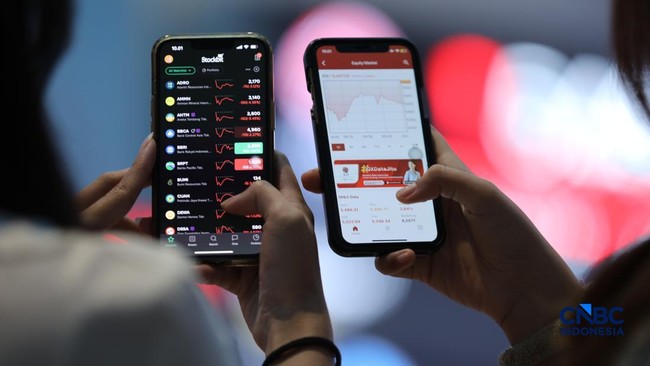
The Jakarta Composite Index (JCI) suddenly reversed course into negative territory after a significant early-session rally on Thursday, snapping a two-day winning streak. By the end of the first session, the JCI had fallen 1.91%, depreciating by 113 points to 5,789.39. Trading data from the Indonesia Stock Exchange (IDX) showed 185 stocks rising, 500 declining, and 128 remaining unchanged. Transaction value reached Rp12.67 trillion, with a trading volume of 22.26 billion shares across 1.53 million trades. The JCI experienced high volatility, touching an intraday high of 6,010 before collapsing more than 1%. Nearly all sectors declined, with only the technology sector posting gains, while the deepest corrections were recorded in infrastructure, raw materials, energy, and property. Stocks weighing on the index included BBRI, BREN, BRPT, AMMN, and DSSA. Market participants continued to monitor global sentiment developments, including international financial market dynamics and foreign capital flows. On the previous trading day, foreign investors recorded a net sell of Rp3.13 trillion across all markets, even as the JCI closed sharply higher. Indonesia’s financial markets are grappling with dynamics ranging from warfare to investors scrutinising domestic fiscal resilience and global macroeconomic continuity. The JCI and rupiah had been in a strengthening phase, but the rally risked being derailed by two pieces of bad news from the United States: fresh US military strikes and surging US inflation. The Iran-US conflict escalated after the United States began launching strikes on Iran on Wednesday, according to a statement from US Central Command (CENTCOM). In a post on platform X, CENTCOM stated the US military started launching additional self-defence strikes at 5:15 p.m. ET against several targets in Iran, acting as a response to Iran’s unprovoked and continued aggression. Iranian state media reported that Iran had targeted US ships in the Strait of Hormuz with missile and drone attacks. The latest strikes came after US President Donald Trump said earlier on Wednesday that the US would hit Iran again very hard, escalating his public threats while continuing to pressure Tehran to sign a deal. Meanwhile, the US Bureau of Labor Statistics released May 2026 inflation data on Wednesday evening showing an acceleration in annual inflation to 4.2%, up from 3.8% in April and marking the highest level since April 2023. On a monthly basis, headline inflation rose 0.5%, with the surge driven specifically by a 3.9% monthly jump in the energy price index, equating to a 23.5% annual increase due to commodity market pressures. Core inflation, which excludes energy and food, was more moderate, rising 0.2% monthly and 2.9% annually. Reacting to the inflation data, market participants projected the Federal Reserve would hold its benchmark interest rate at the upcoming 17 June meeting, with the potential for a new rate hike now expected to be postponed until December. Amid this tightening dynamic, new Fed Chair Kevin Warsh indicated that interest rates have room to move lower in the future, expressing belief that a productivity surge from artificial intelligence technology utilisation would deliver a significant disinflationary impact on the overall economy.