
JCI Opens Lower with Potential for Rebound as Asian Markets and Wall Street Strengthen
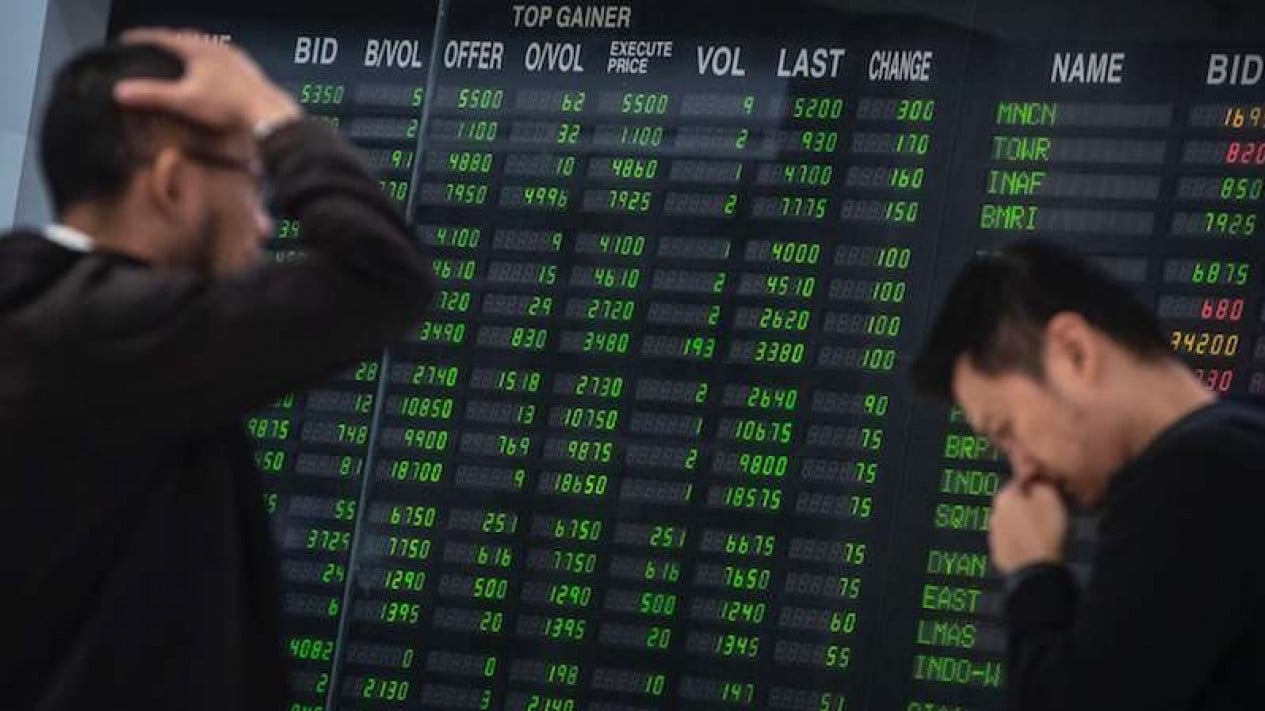
Jakarta, VIVA – The Jakarta Composite Index (JCI) opened weaker by 25 points or 0.36% at the level of 7,001 during the opening of trading on Monday, 6 April 2026.
Head of Retail Research at BNI Sekuritas, Fanny Suherman, predicts that the JCI will test support with potential for a rebound in today’s trading.
“The JCI has the potential to test strong support at 7,000. If it breaks below that, it could continue correcting to 6,850-6,950 in the short term. But if it holds strong at 7,000, the JCI will experience a short-term technical rebound,” said Fanny in her daily research on Monday, 6 April 2026.
She stated that Asian markets strengthened with moderate gains after US stocks, or Wall Street, closed higher, due to hopes that the Iran conflict is moving towards resolution.
The Nikkei 225 index rose 1.26% and the Topix strengthened 0.96%. Meanwhile, South Korea’s Kospi index increased 2.74% and the Kosdaq added 0.70%. However, China’s CSI 300 fell 0.85% and Malaysia’s FTSE weakened 0.16%.
The US government is scheduled to release several economic data points, including March non-farm payrolls data.
Oil prices dipped slightly from their highest levels after reports that Iran is drafting a protocol with Oman to monitor traffic through the Strait of Hormuz. This would require shippers to pay duties to Iran.
“JCI support is at the level of 6,950-7,000 while JCI resistance is in the range of 7,070-7,150,” she said.
For information, Wall Street’s main indices closed mixed at the end of trading last Thursday, as diplomatic signals from the Middle East helped calm markets amid threats from US President Donald Trump of harsher actions against Iran ahead of the long weekend holiday.
The Dow Jones Industrial Average fell 0.13%, the S&P 500 rose 0.11%, and the Nasdaq Composite strengthened 0.18%. Other sentiments include Iran’s Foreign Ministry stating it is drafting a protocol with Oman to regulate traffic through the Strait of Hormuz.
Meanwhile, the UK stated that dozens of countries are discussing ways to end the crisis, easing concerns about prolonged disruptions to global oil flows.