
Japan's World's Fastest Train Project: Is It Faster Than Planes?
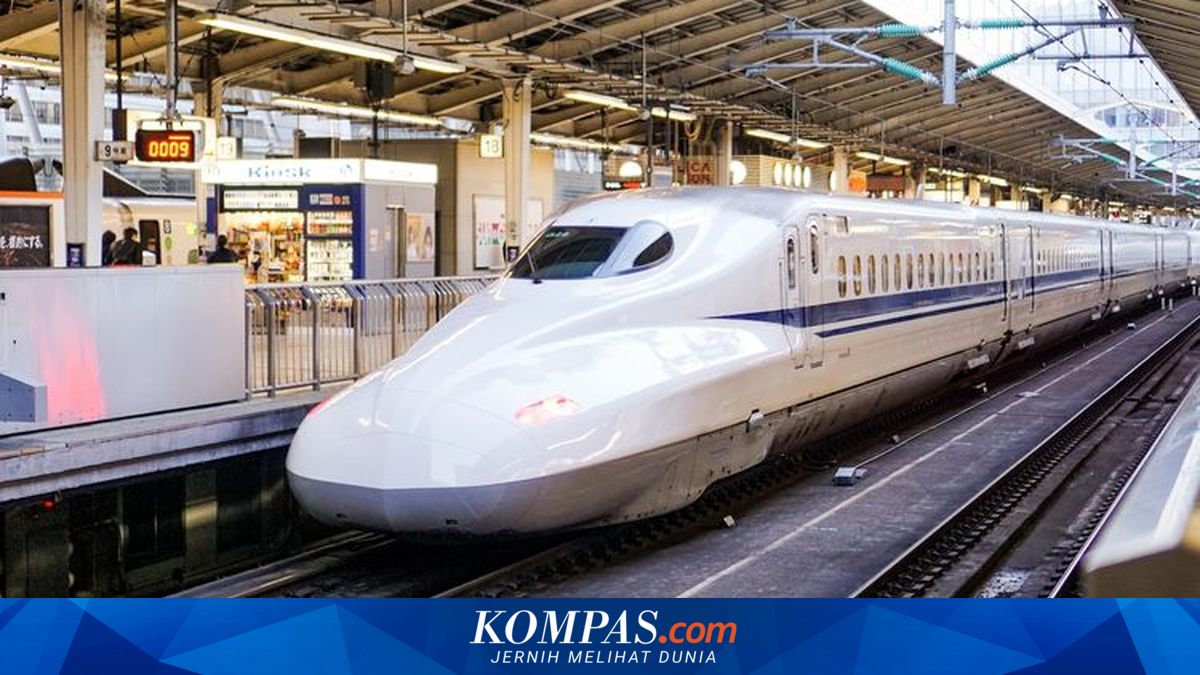
When it comes to transportation technology innovation, Japan never ceases to amaze. After wowing the world with its legendary Shinkansen bullet train network, the Land of the Rising Sun is now preparing to break new records with its ambitious Maglev (magnetic levitation) train project. The futuristic L0 Series Shinkansen is claimed to reach speeds of up to 603 km/h, a figure that leaves many scratching their heads. This remarkable speed has sparked significant debate among travel enthusiasts: will this new high-speed rail era rival the time efficiency of air travel?
According to a report by Euronews Travel dated 31 May 2026, this ambitious project is not only generating heated discussion in Asia but also sparking debate in Europe about the future of land transport. Imagine the Tokyo to Nagoya route, which currently takes about 1.5 hours on conventional Shinkansen, being reduced to just 40 minutes. Similarly, the full journey from Tokyo to Osaka, spanning approximately 500 kilometres, would be cut down to 67 minutes.
While commercial aircraft typically cruise at 800–900 km/h in the air, the total travel time—including getting to distant airports, check-in, security checks, baggage handling, and boarding—makes the Maglev, with its city-centre stations, a faster and more convenient option. Unlike conventional trains or the current eco-friendly Shinkansen that use wheels on steel rails, the Maglev L0 Series levitates about 10 centimetres above a specialised concrete guideway. This technology uses magnetic repulsion to lift the train and magnetic propulsion to accelerate it at high speeds. With no physical friction between wheels and tracks, the vehicle can achieve super-high speeds without mechanical resistance, offering passengers an exceptionally smooth, vibration-free, and quiet journey.