
Japan's government asked to permit foreign-flagged vessels to assist with oil transport
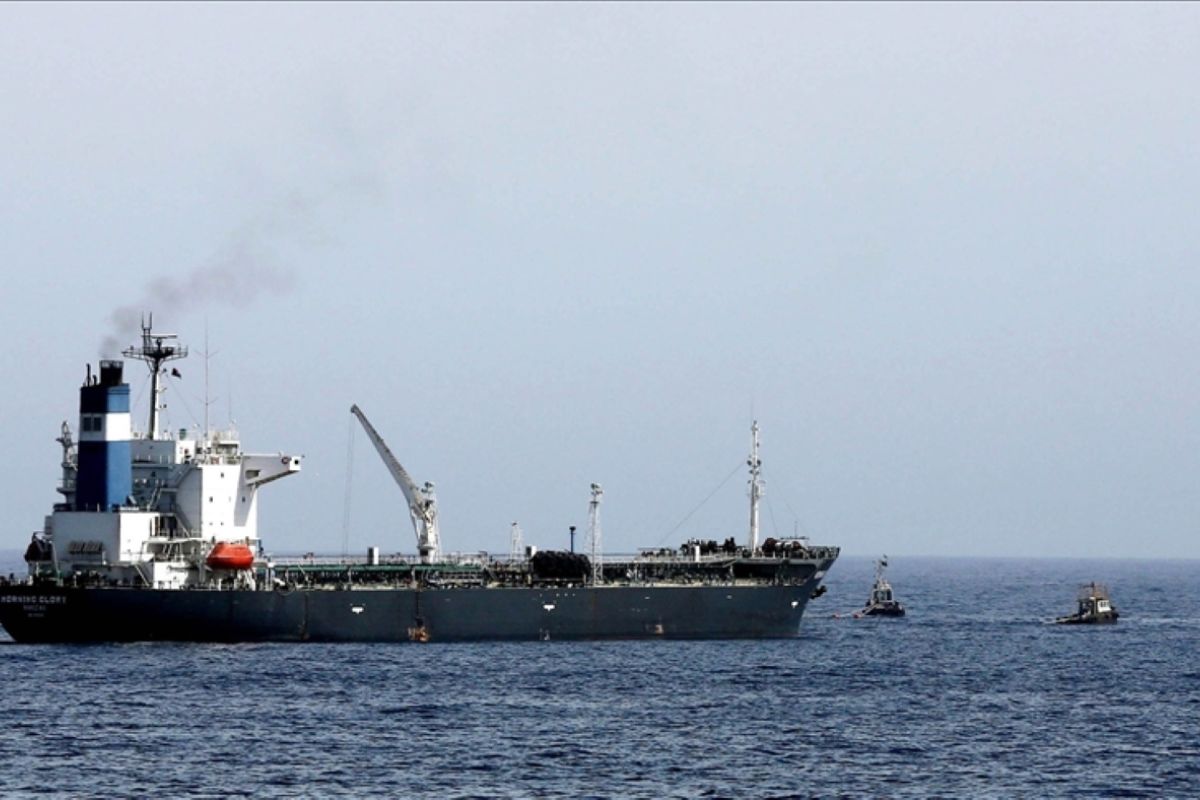
Tokyo — Japanese oil refining companies have requested that the government permit foreign-flagged tanker vessels to assist with crude oil transport as part of plans to release the nation’s oil reserves, amid deteriorating circumstances in Iran, according to sources with knowledge of the matter on Tuesday.
The request has emerged amid concerns that Japanese-flagged vessels will not be able to transport all oil from storage facilities to refineries quickly enough, given that the volume to be released represents the largest amount in Japan’s history, the sources stated.
Domestic shipping in Japan is generally restricted to Japanese-flagged vessels; however, the Ministry of Land, Infrastructure, Transport and Tourism can grant special approval to allow foreign-flagged vessels to be used as well.
“We need to first ensure whether Japanese-flagged vessels are capable of handling this situation, but we are also considering the possibility of granting permits to foreign-flagged vessels,” said a ministry official.
Japan began releasing oil reserves on Monday, 16 March, to address mounting supply concerns amid the United States-Israel conflict with Iran.
In the initial phase, Japan is releasing private sector reserves equivalent to 15 days’ consumption, which will subsequently be followed by government reserves equivalent to 30 days’ consumption at the end of this month.
Government reserves equivalent to 146 days of domestic consumption are stored across ten locations throughout Japan, including Hokkaido, Akita, Fukui, and Kagoshima.
The government is currently preparing to sell portions of these reserves to oil refining companies. However, because national reserves are stored in the form of crude oil, the oil must first be transported using large tanker vessels to refineries.
“Conventional vessels cannot handle volumes of this scale, so securing large tanker vessels becomes critically important. Our primary priority is ensuring stable supply assurances,” said an executive at one of Japan’s major oil refining companies.