
Japanese and US Finance Ministers Agree to Coordinate on Stabilising Yen Value
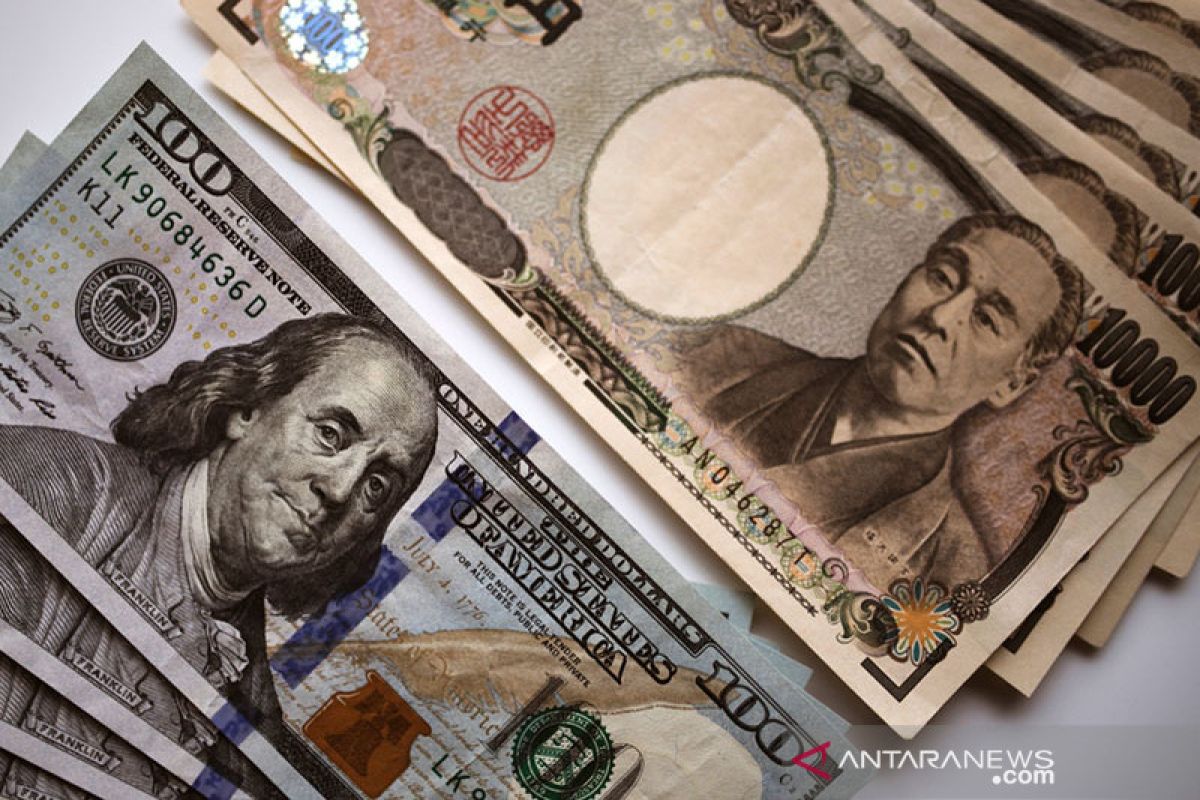
Tokyo - Japan’s Finance Minister Satsuki Katayama stated that Japan and the United States have agreed to strengthen coordination regarding currency market movements following Tokyo’s intervention to stem the yen’s weakening against the US dollar.
“We are coordinating well on the latest currency movements amid the Middle East conflict,” Katayama told reporters after meeting US Finance Minister Scott Bessent in Tokyo on Tuesday.
Bessent also posted on platform X that communication and coordination between the two countries in addressing excessive volatility in the currency markets remain intensive and strong.
The US Finance Minister is in Tokyo ahead of a two-day meeting between US President Donald Trump and Chinese President Xi Jinping in Beijing starting Thursday.
Instability in the Middle East has driven the strengthening of the US dollar as a safe-haven asset, prompting Japanese authorities to intervene on 30 April to prevent the yen from weakening beyond 160 per dollar, government sources said.
Katayama stated that Japan and the US agreed to coordinate based on the joint statement from September, which affirms that market interventions will only be conducted to address volatility and disorderly weakening or strengthening of currencies.
In addition to currency issues, Katayama said she and Bessent discussed strengthening the supply chain for critical minerals ahead of the G7 finance ministers’ meeting in Paris next week.
Regarding China’s restrictions on critical mineral exports, Katayama described Beijing’s actions towards Japan as “bad and unfair,” adding that the US will continue to convey objections to China.
Relations between Japan and China have deteriorated following diplomatic tensions over Taiwan, while Beijing has tightened export restrictions on dual-use goods that can be used for both civilian and military purposes, including potentially rare earth metals.
Katayama also discussed with Bessent the threats posed by advanced artificial intelligence technology, including Anthropic’s Claude Mythos model, which is said to be capable of identifying vulnerabilities in technology infrastructure and financial systems.
“China could pursue the development of such models within six months to a year. Western countries need to coordinate so that this technology is not weaponised by non-allied parties,” Katayama said.