
Japan to Tighten Foreign Investment Screening with US-Style Panel
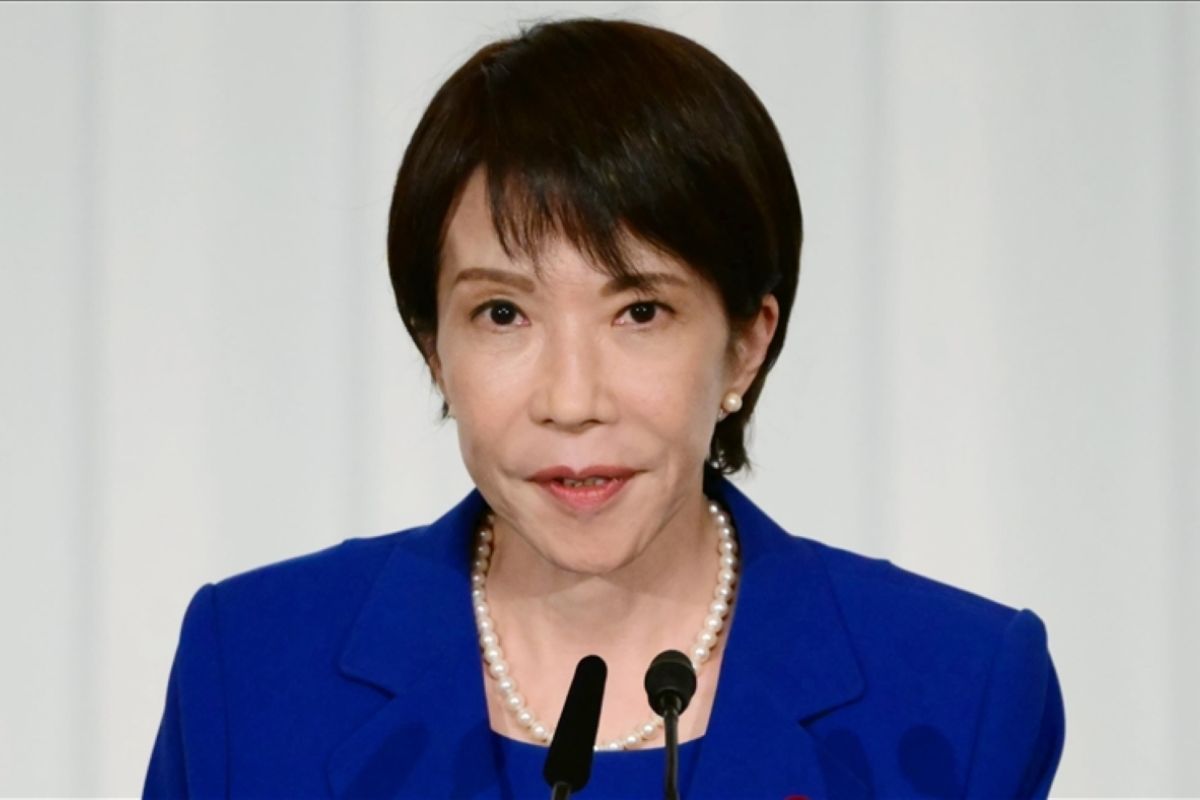
Tokyo — The Japanese government has decided on Tuesday, 17 March to tighten supervision of foreign investment in the country by establishing an inter-ministerial panel, similar to that in the United States, to prevent leakage of critical technology and intelligence.
Through revision of the Foreign Exchange and Foreign Trade Act, the government of Prime Minister Sanae Takaichi seeks to ensure that it can identify foreign investments deemed risky in terms of national economic security.
Takaichi called for the establishment of a Japanese version of the Committee on Foreign Investment in the United States when she ran for the presidency of the ruling Liberal Democratic Party (LDP) last autumn.
The formation of the panel was also included in the coalition agreement signed by the LDP with the Japan Innovation Party in October.
In her policy speech to parliament in February, Takaichi emphasised that the new entity would enhance the effectiveness of screening on direct inbound investment.
The screening process by the planned panel will involve the Ministry of Finance, the Ministry of Economy, Trade and Industry, and the National Security Secretariat at the Prime Minister’s Office.
The Foreign Exchange and Foreign Trade Act requires the government to conduct preliminary screening of foreign investors when they acquire a certain percentage of shares in companies engaged in critical business sectors related to national security, such as aviation and electricity.
Under the draft amendment, screening will also be conducted when another foreign company acquires a foreign company that already holds shares in a Japanese company.
If security risk is deemed extremely high — for instance, when investment is made by a company that has previously violated the Foreign Exchange and Foreign Trade Act — the government will review the company’s activities even in industries not currently covered by the law.
According to the draft, Japanese investors recognised as being under the influence of a foreign government will also be considered “foreign investors”.
In the United States, CFIUS has the authority to decide whether investment in the country by a foreign company poses a security risk. If the committee identifies problems with such investment, it can recommend to the president to block it.
In recent years, CFIUS has been involved in reviewing Nippon Steel Corporation’s offer to acquire United States Steel Corporation.