
Japan to Sell 8.5 Million Kilolitres of State Oil Reserves
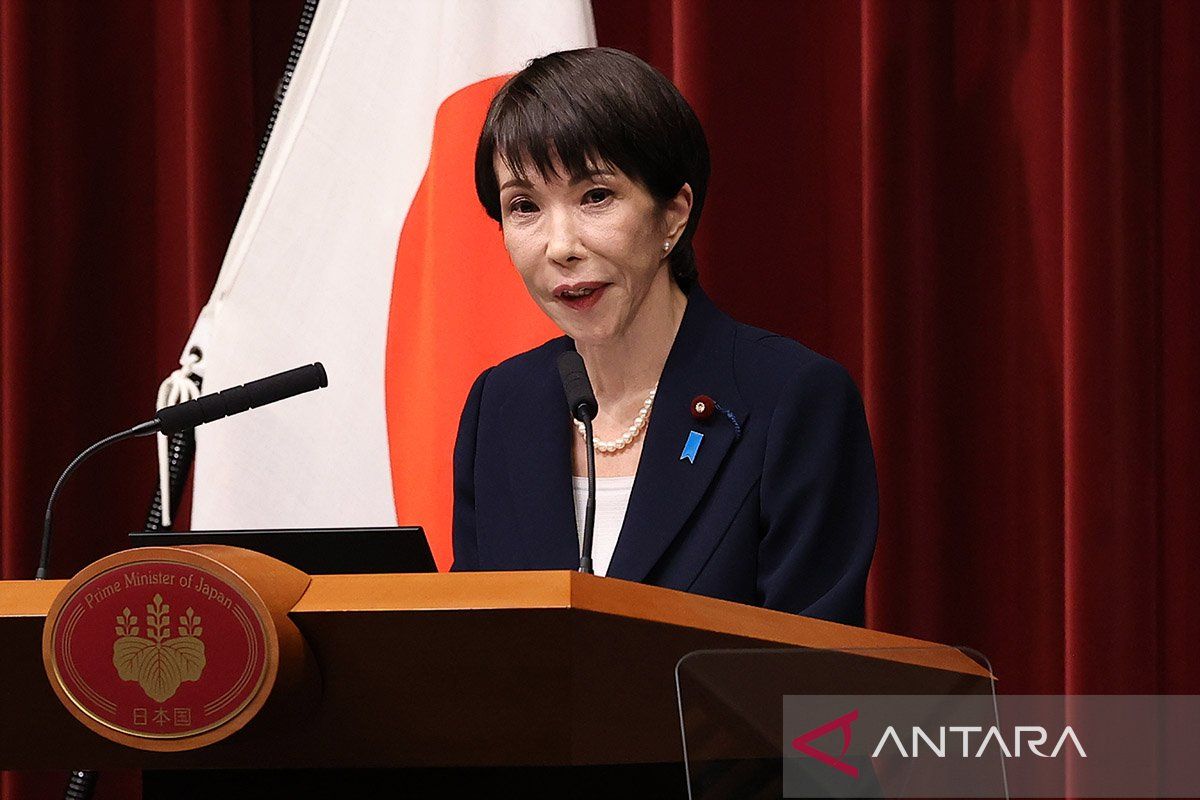
Tokyo (ANTARA) - The Japanese government has announced it will begin releasing state oil reserves equivalent to 30 days’ needs starting on Thursday (27/3), to dampen the impact of the energy price surge and maintain economic stability amid the Middle East crisis.
Japan’s Ministry of Economy, Trade and Industry stated on Tuesday that a total of around 8.5 million kilolitres of oil will be sold from 11 storage sites nationwide.
This step follows the release of private oil reserves equivalent to 15 days’ needs carried out last week.
Additionally, Middle Eastern countries such as the United Arab Emirates will also release oil reserves equivalent to five days’ needs in Japan until next Tuesday, to be supplied to Japanese oil companies.
Japan imports almost all of its crude oil needs from abroad, with more than 90 percent of supplies coming from the Middle East region.
However, since Iran blockaded the Strait of Hormuz following the US and Israeli attacks on 28 February, world oil prices have surged sharply and the yen has weakened against the US dollar. This situation has increased inflation risks in Japan.
Regular petrol prices in Japan even reached a record high of 190.80 yen (approximately Rp20,000) per litre last week. The government targets reducing the national average price to around 170 yen per litre.
Finance Minister Satsuki Katayama blamed market speculation for the volatility in oil prices and exchange rates.
“We will take all necessary measures across various sectors to address that speculation,” she said.
Meanwhile, Japan’s petrochemical sector has already experienced supply disruptions of naphtha, a key raw material for plastics and synthetic fibres.
Companies are now seeking alternative energy sources from America, Latin America, and Asia, although the prices are very high.
In a summit meeting in Washington last week, Prime Minister Takaichi and US President Donald Trump emphasised the importance of maintaining global energy supplies by ensuring maritime security in the Strait of Hormuz.
Takaichi is scheduled to meet the Executive Director of the International Energy Agency (IEA), Fatih Birol, in Tokyo on Wednesday to discuss cooperation in maintaining oil supply stability.